Why Garage Gyms Make Sense
With rising gym memberships and busy schedules, converting your garage into a personal fitness space is incredibly popular. I’ve helped several clients make this transition, and it’s one of my favorite conversions because the results are so immediately rewarding.
After 18 years of remodeling, I’ve learned what separates a great garage gym from one that gets abandoned after a few months.
I’ve screwed this up so you don’t have to.
Step 1: Honest Assessment
Before buying any equipment, evaluate your space realistically:
Size (one-car vs two-car vs three-car)
Existing floor condition
Electrical capacity
Natural light and ventilation
Storage needs for vehicles vs equipment
A one-car garage can work for basic setups. A two-car gives you much more flexibility.
Flooring: The Foundation
This is the most important decision.
Interlocking Rubber Tiles are my top recommendation for most garage gyms. They’re durable, shock-absorbing, easy to install, and relatively affordable. Look for 3/4" or thicker tiles.
Epoxy or Polyaspartic Coatings work great if you want a smooth, cleanable surface, especially if you do a lot of heavy lifting or have equipment with wheels.
Carpet Tiles or Rolled Rubber are options but can harbor odors and are harder to clean.
Always address concrete moisture issues before installing any flooring.
Ventilation: Don’t Skip This
Garages get hot, humid, and smelly fast during workouts. Proper ventilation is non-negotiable.
Solutions That Work:
Wall-mounted exhaust fans with timers
Ceiling-mounted ventilation fans
Opening the garage door partially with a screen
Portable high-velocity fans for air circulation
Mini-split air conditioning for serious setups
I recommend at least one powerful exhaust fan that vents outside. Pair it with intake vents low on the walls for good airflow.
Smart Layout Strategies
Key Principles:
Keep clear pathways for movement
Position mirrors strategically for form checking
Place heavy equipment (racks, benches) against walls for stability
Leave space for dynamic movements like burpees or jumping
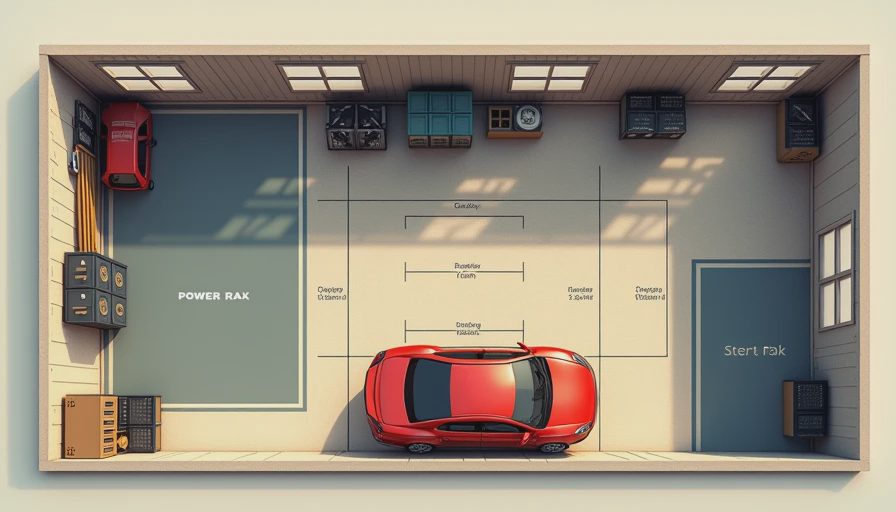
Consider traffic flow if the garage is still used for parking
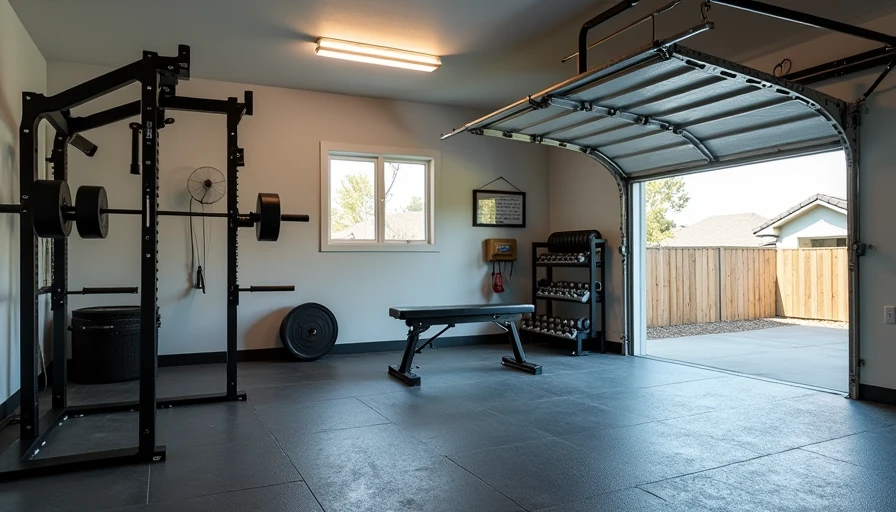
A good layout usually has the power rack or squat stand as the centerpiece, with open space in front for benches and free weights.
Electrical and Lighting Considerations
Most garage gyms need more power than originally wired. Plan for:
Dedicated circuits for treadmills or air conditioners
Multiple outlets at convenient heights
Good LED lighting (bright, even coverage)
Ceiling fans for air movement
Storage Solutions for Garage Gyms
Wall-mounted storage, overhead racks, and vertical bike storage help keep the floor clear. French cleats work great for hanging mats, resistance bands, and accessories.
Real Client Success Stories
One busy dad converted his two-car garage. We focused on rubber flooring, strong ventilation, and a smart layout that let him still park one car when needed. Six months later he says it’s the best home improvement he’s ever made.
Another client with a one-car garage built a compact but highly functional space. Strategic layout and good lighting made it feel much larger than it actually is.
Budget Breakdown
Basic Conversion (DIY flooring + basic equipment): $1,500–$4,000
Mid-Range Setup: $5,000–$12,000
Premium Garage Gym: $15,000+
The flooring and ventilation usually represent the biggest chunk of the conversion cost.
Common Mistakes to Avoid
Skimping on flooring
Ignoring ventilation (leads to heat exhaustion and odors)
Poor layout that limits movement
Insufficient electrical planning
Not considering resale value (keep it somewhat reversible)
Maintenance and Longevity
Rubber flooring needs occasional deep cleaning. Ventilation filters should be checked regularly. Wipe down equipment after sweaty sessions to prevent rust.
The Lifestyle Payoff
A well-designed garage gym removes every excuse. No travel time, no waiting for equipment, 24/7 access. Many clients report significant improvements in consistency and overall health.
Getting Started
Start with flooring and ventilation — the two biggest enablers. Then add equipment as your budget and needs evolve. Focus on the basics first: a good rack, bench, and weights.
Your garage can become one of the most valuable rooms in your house.
I’ve screwed this up so you don’t have to. Plan carefully and enjoy the gains.
Back to the bench.