If you have ever peeled a price tag off a toolbox, storage bin, window, or old hand tool, you already know the paper is usually the easy part. The gummy outline left behind is the real nuisance. Rubbing alcohol for sticker residue is one of the simplest fixes in a garage, but it works best when you use the right concentration, dwell time, and amount of pressure. I've used it on tool drawers, glass jars, painted metal, and plastic bins. I've also dulled a finish by rushing the job, so I've screwed this up so you don't have to.
Why rubbing alcohol works on adhesive
Most common sticker residue contains pressure-sensitive adhesive. It is designed to grip firmly but soften when exposed to certain solvents. Isopropyl alcohol, commonly sold as rubbing alcohol, can break down that tacky film without leaving the oily coating that some citrus removers create. The 70 percent formula is usually a good starting point because the water content gives it a little working time. A 90 percent or 91 percent formula evaporates faster and can be useful on metal or glass, but it is less forgiving on delicate surfaces.
Rubbing alcohol for sticker residue is especially useful on glass, glazed ceramic, stainless steel, unfinished metal, and many hard plastic surfaces. It is not a universal finish-safe cleaner. Some plastics turn cloudy, some painted surfaces soften, and certain clear coats can lose their shine. Before attacking the visible glue, test a drop in an inconspicuous corner. Wait a few minutes, wipe it away, and look for color transfer, haze, softening, or a dull patch.
Work in a ventilated area, keep the bottle away from sparks and open flames, and do not smoke while using it. A garage with the door cracked open is better than a closed utility room. Alcohol evaporates quickly, but its vapor is flammable.
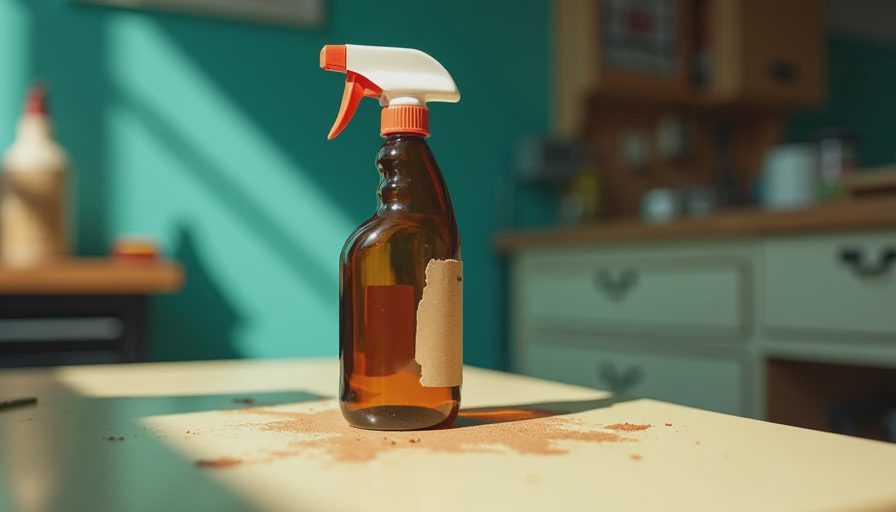
The step-by-step method I use
Start by removing as much of the paper label as possible with your fingernail or a plastic scraper. A plastic putty knife, old gift card, or nylon trim tool works well. Avoid a razor on painted metal, plastic, and finished wood. If the label is stubborn, warm it with a hair dryer for 20 to 30 seconds. Keep the dryer moving and do not use a heat gun unless you fully understand how quickly it can damage plastic or blister paint.
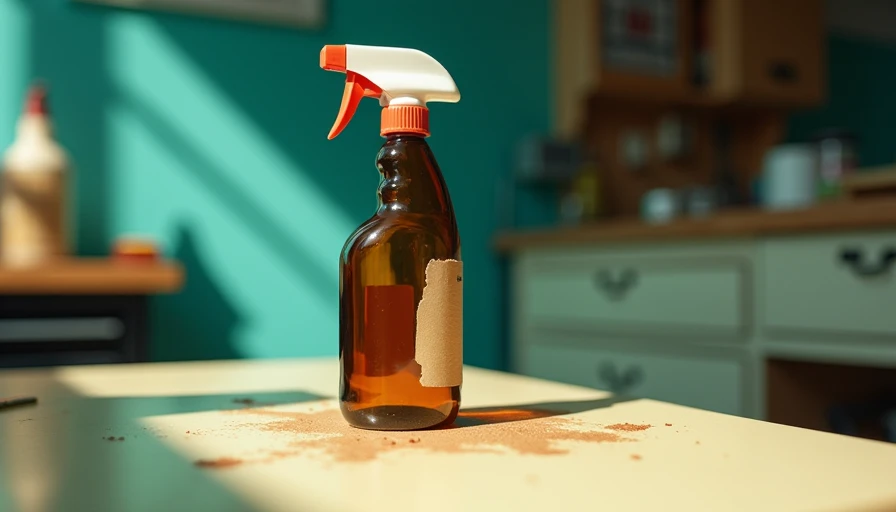
Put a small amount of rubbing alcohol on a clean cotton rag or shop towel. Do not flood the surface. Hold the damp area against the adhesive for 30 to 60 seconds, then rub in short strokes. You are trying to soften the glue, not grind it into a larger smear. Rotate to a clean part of the towel as the residue lifts.
For a thick patch, repeat the soak rather than pressing harder. Rubbing alcohol for sticker residue works through patience more reliably than brute force. Once the glue is gone, wipe the area with a second cloth lightly dampened with clean water, then dry it. That final wipe removes loosened adhesive and any alcohol-soluble dirt.
Choosing the right approach for common garage surfaces
Glass is the easiest case. Apply the alcohol, let it sit briefly, and use a plastic scraper or a fresh razor held nearly flat. On stainless steel, wipe with the grain and finish with a dry microfiber cloth. Scrubbing across the grain can leave a visible trail even when the adhesive disappears.
Painted metal needs more restraint. Test first, use a small amount, and stop if the cloth picks up the paint color. Older enamel and inexpensive spray paint are more vulnerable than factory-applied automotive finishes. If the surface is a painted toolbox, try warm soapy water before escalating to solvent.
Plastic varies widely. Polypropylene storage bins often tolerate a careful test, while clear acrylic, polycarbonate, vinyl, and soft-touch coatings can haze or become sticky. Rubbing alcohol for sticker residue should never be your first move on a clear plastic cover, a tool handle with a rubberized grip, or a finished dashboard component. Use warm water and dish soap first, then consider a manufacturer-approved cleaner.
Wood is another caution area. On unfinished wood, the alcohol can spread softened glue into the grain and create a light or dark spot. On lacquered or painted wood, it can attack the finish. A cabinet scraper used gently, followed by a small amount of mineral oil only when appropriate for the finish, is often safer.
What to do when alcohol is not enough
Some labels use aggressive adhesive that laughs at a quick wipe. Give it two or three short applications rather than soaking the part for ten minutes. A plastic scraper can lift the softened edge, and a clean microfiber towel can collect the remaining film. For a stubborn automotive badge or old tape mark, a dedicated adhesive remover such as 3M Adhesive Remover can be more effective, but it also needs a compatibility test.
Do not jump straight to acetone or lacquer thinner. Those solvents can dissolve plastics, strip paint, and damage clear finishes in seconds. Even products marketed for adhesive removal need ventilation and careful handling. Rubbing alcohol for sticker residue is the lower-risk first step because it is inexpensive, easy to find, and less oily than many alternatives, not because it is harmless on every material.
If the residue is on a painted car panel, wash the area afterward and consider applying a small amount of automotive wax or sealant once the surface is clean and dry. Solvent cleaning can remove existing protection. On a shop floor, avoid spreading adhesive into dust and tire tracks; use a disposable towel and place used rags in a safe, ventilated location away from ignition sources.
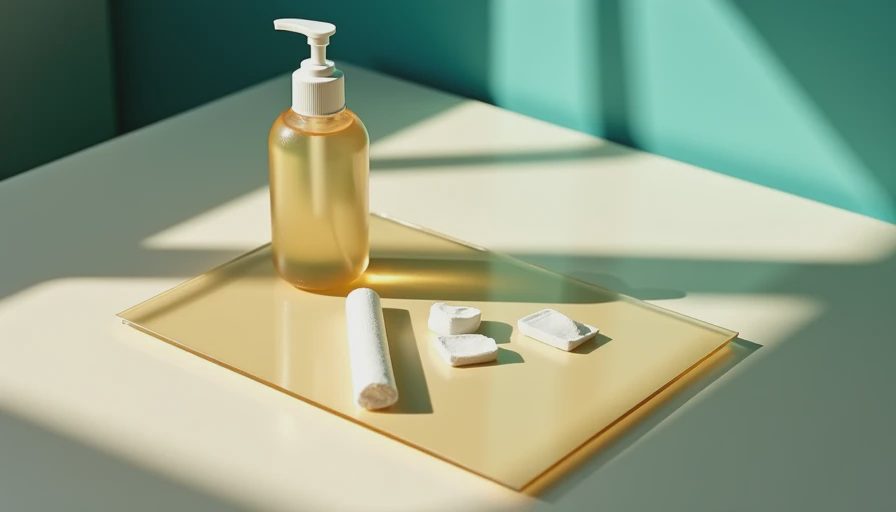
A practical garage cleanup example
I had an old metal parts cabinet with several inventory labels that had been on it for years. Pulling the labels off left brown, gummy rectangles. I first tried scraping dry, which only smeared the edges. The better method was a warm hair dryer, a plastic scraper, and a small amount of 70 percent alcohol on a cotton rag. Each section took about two minutes, including the final wipe. The cabinet did not need sanding or repainting.
That same method was not right for a translucent plastic storage lid. The test spot became slightly cloudy, so I stopped and switched to warm water, dish soap, and a soft cloth. It took longer, but the lid stayed clear. That is the important distinction: the fastest chemical is not always the fastest path to a usable part. Replacing a damaged $8 lid or repainting a cabinet can erase any time saved.
Quick checklist before you start
Gather a clean shop towel, cotton swabs for tight corners, a plastic scraper, gloves, and either 70 or 91 percent isopropyl alcohol. Remove loose paper first. Test an unseen spot. Use enough liquid to dampen the adhesive, not enough to run into seams, switches, bearings, or electronics. Keep the area ventilated and away from sparks. Work in small sections, changing towels when they become gummy. Finish with a clean-water wipe when the surface allows it.
For a glass jar, the process may take less than a minute. For an old toolbox covered in layered labels, plan on 15 to 30 minutes. That is still cheaper than buying a replacement cabinet or living with a sticky surface that collects every bit of sawdust in the shop. If the finish changes during testing, stop and choose a gentler cleaner or a product specifically approved for that material.
Rubbing alcohol for sticker residue is a dependable shop trick when you treat it as a solvent, not magic water. Use a small amount, soften the adhesive, scrape with plastic, and protect the finish before you chase a perfect-looking surface. Back to the bench.