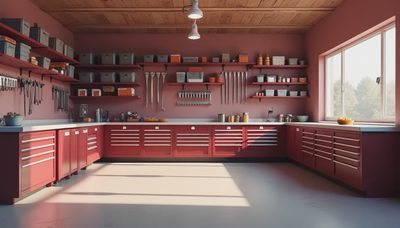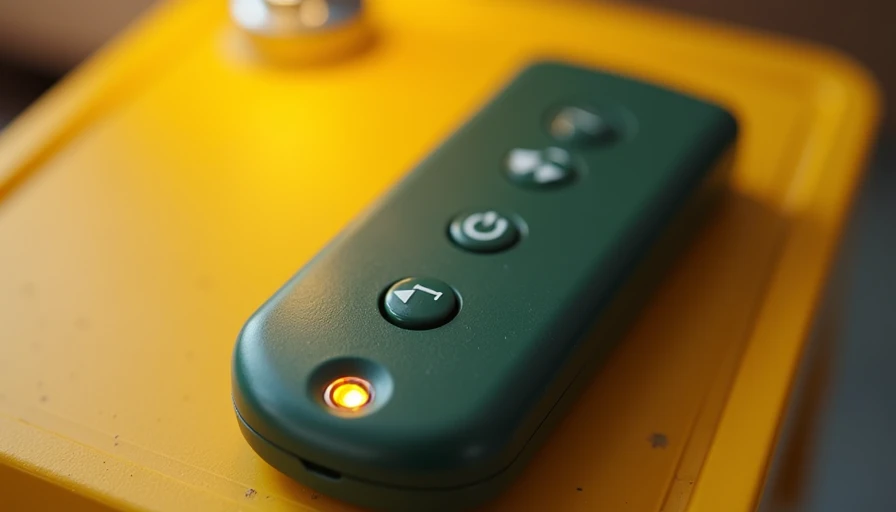
I learned about led bulbs and garage door openers the irritating way: I swapped four old fluorescent tubes for bright LED shop lights, then watched my opener remote work only when I stood six feet from the door. The opener itself was fine. The new lights were filling the radio band with electrical noise.
This is a common garage problem, especially with inexpensive LED bulbs and fixtures that use poorly filtered drivers. The lights can look perfect, draw very little power, and still interfere with the signal between your handheld remote, wireless keypad, and opener receiver. The good news is that you usually do not need a new garage door opener. Start with a controlled test and work toward the least expensive fix.
Why LED bulbs interfere with garage door openers
A garage door opener communicates with its remotes over a radio signal, commonly in the 300 to 400 MHz range depending on the system. An LED bulb does not produce light directly from household alternating current. It uses an electronic driver to convert that power into the low-voltage current the LEDs need.
A cheap or poorly shielded driver can create electromagnetic interference. That noise does not have to match the remote's exact frequency to cause trouble. It can raise the background interference around the receiver and reduce the usable range. The result looks like a weak remote battery, even after you install a fresh CR2032 or CR2025 cell.
I have seen the same issue with screw-in bulbs, integrated LED shop lights, and some replacement tubes. Brand names matter less than construction and certification, although reputable products from Philips, GE, Feit Electric, and Sylvania are generally a better starting point than a no-name five-pack. Look for bulbs listed as garage door opener compatible or bulbs marketed with low electromagnetic interference.
The fixture wiring can also contribute. A bulb installed directly beside the opener motor head is more likely to cause trouble than one several feet away. A long LED strip mounted along the ceiling can create a larger interference field than a single bulb near the wall.
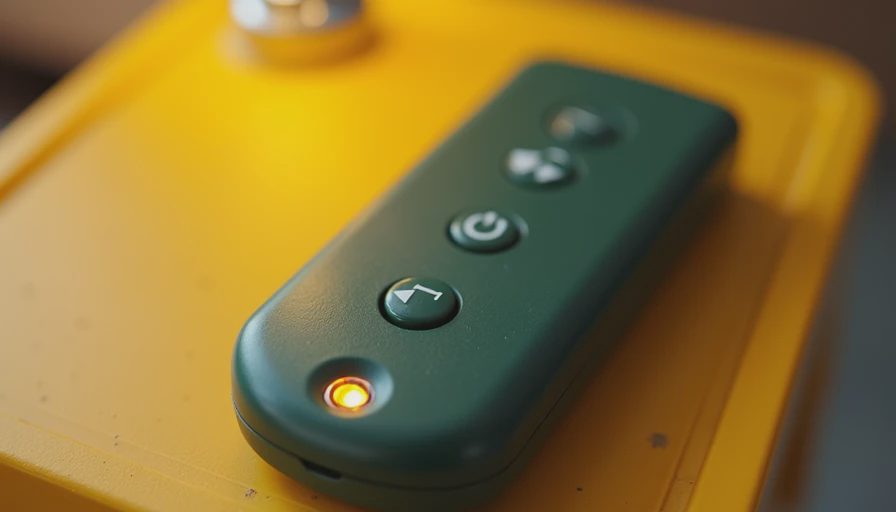
Test the problem before buying anything
The fastest test for led bulbs and garage door openers takes about five minutes. With the garage door closed, stand in the driveway and use the remote. Note the range and whether the door responds consistently. Then switch off every LED light in the garage, including ceiling fixtures, portable work lights, and under-cabinet strips. Test again from the same spot.
If the remote suddenly works from 30 or 40 feet away, turn the lights back on one at a time. Test after each fixture or bulb. This identifies the offender instead of leaving you guessing. If the lights are connected to one switch, remove individual bulbs or unplug fixtures for the second round of testing.
Do not overlook the opener's built-in light bulbs. Many openers have a bulb on each side of the motor housing, putting the noise source directly beside the receiver antenna. Those bulbs are often the first thing I replace. If the remote range improves when those lamps are removed, you have a clear answer.
Also test the wireless keypad and wall-mounted controls. A keypad that works only when you are standing close to the door points toward interference or a receiver problem. A wall control that works normally does not prove the radio system is healthy; it is hardwired and bypasses the remote signal entirely.
Choosing replacement bulbs that behave
When comparing led bulbs and garage door openers, shop for the right electrical and mechanical details rather than chasing the highest lumen number. A 1,600-lumen bulb can make a two-car garage bright, but 800 to 1,100 lumens per fixture is often enough when you use several evenly spaced fixtures.
Choose a bulb rated for enclosed fixtures if it will sit inside a sealed housing. Check the temperature rating for an unheated garage. In central Ohio, my garage can drop below freezing in winter, and some inexpensive bulbs start slowly or flicker until they warm up. A listed operating range that reaches 14 degrees Fahrenheit or lower is a sensible minimum for many cold climates.
Look for FCC-compliant products and manufacturers that publish a warranty. That does not guarantee perfect radio performance, but it gives you a better chance of getting a properly engineered driver. Avoid placing an LED bulb in the opener if the package warns against use near radio equipment. Some opener manufacturers sell bulbs specifically designed for their motors; they often cost $15 to $25 each instead of $3, but the extra cost can be worthwhile when access to your garage matters.
Color temperature is a separate decision. I prefer 4,000K neutral white for a workshop because it shows sawdust, pencil marks, and oil leaks without making the room feel blue. A 5,000K daylight bulb is useful over a bench, but several large fixtures at that color can feel harsh.
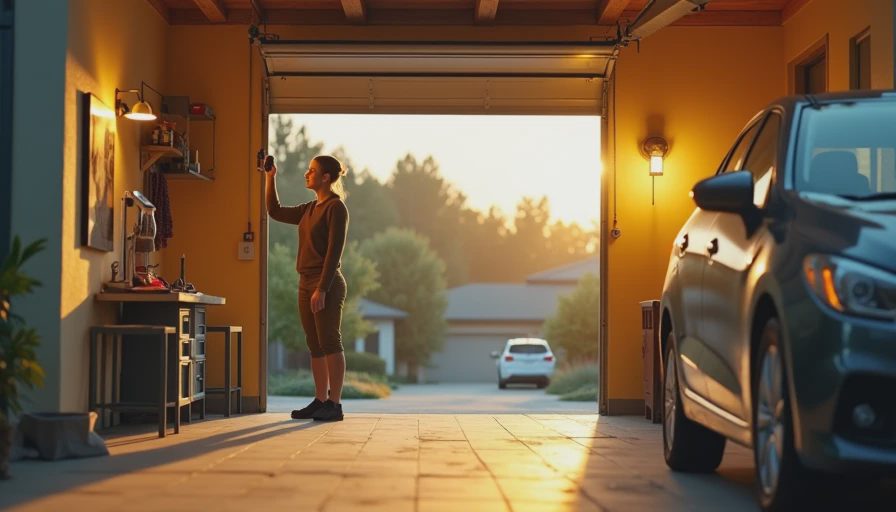
Fixes beyond changing the bulb
If a replacement does not solve led bulbs and garage door openers interference, increase the distance between the noise source and the opener antenna. Mount shop lights several feet away from the motor head when the ceiling layout allows it. Keep the opener's short wire antenna hanging straight down and do not coil, cut, or tuck it into the housing.
For a fixture with a detachable power cord, try a different outlet temporarily. This is not a permanent wiring solution, but it can show whether the noise is traveling through the electrical circuit. An electrician can then inspect grounding, shared circuits, and suspicious connections. Turn off the breaker before opening any fixture, and never work inside the opener housing while it is energized.
Ferrite chokes or ferrite rings can reduce high-frequency noise on some LED power leads. They are inexpensive, often $5 to $15, but results depend on the fixture and the interference pattern. I treat them as a practical experiment, not a guaranteed cure. A dedicated noise filter designed for electronic equipment can help with certain fixtures, but it should be installed according to its instructions and local electrical requirements.
Sometimes the real culprit is a failing opener receiver, damaged antenna wire, or an old remote. If the system remains unreliable with every garage light switched off, replace the remote battery first, then inspect the antenna and receiver connections. A replacement receiver or opener logic board can run from roughly $40 to more than $150, depending on the model.
A reliable garage lighting plan
For a two-car garage, I like four LED fixtures arranged in two rows rather than one bright fixture beside the opener. This spreads light across the floor and reduces the chance that one source sits directly over the receiver. Leave at least 3 feet between a high-output fixture and the motor head when possible.
Use one switch for general lighting and a second switch for bench lighting. That arrangement lets you shut down a suspected circuit without working in the dark. It also makes troubleshooting led bulbs and garage door openers much easier because each group can be tested independently.
After installation, test the remote from inside the house, the end of the driveway, and both sides of the garage. Test in the morning and at night, with every light on. Open and close the door at least several times before putting away the ladder. A five-minute range test can prevent weeks of frustration.
If you have tried different bulbs, increased separation, and checked the antenna, the next step is professional diagnosis. Do not defeat a safety sensor or bypass the opener's reversing system to solve a radio problem. Those sensors protect people, pets, and vehicles, while the lighting issue is usually solved safely at the bulb or fixture.
The practical lesson from led bulbs and garage door openers is simple: efficient lighting is not automatically compatible lighting. Buy from a known manufacturer, test one fixture at a time, and keep the motor head away from noisy electronics. I've screwed this up so you don't have to. Back to the bench.