When a search sends you to 1605ta and gives you little context, do not order the first item that looks close. In a garage, a short code can identify a bracket, fastener, electrical component, tool part, or completely unrelated product. I have spent enough years fixing other people's rushed purchases to know that five minutes of verification can save an afternoon of rework. Treat 1605ta as a clue, not a complete project plan.
Start by identifying what 1605ta actually refers to
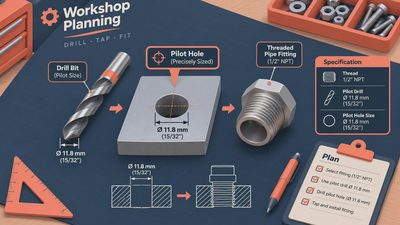
The code itself does not tell you whether you are looking at a structural item, a replacement part, or a catalog reference. Start with the object in front of you. Photograph every side, including labels, stamped numbers, connector ends, mounting holes, and any damaged area. Write down measurements with a tape measure or calipers. A part that looks like a one-inch bracket could have a 1/4-inch hole, a 5/16-inch hole, or a metric opening, and those differences matter when it carries a shelf or door component.
Record the manufacturer if one is visible. Also note where the part came from. An item removed from a garage door opener should be investigated differently from a piece found on a shelving rack. Search the complete code in quotation marks, then try it with terms such as replacement part, bracket, hardware, manual, or assembly. If 1605ta appears in several unrelated listings, compare photographs and dimensions instead of trusting the title.
Do not rely on a seller's stock image alone. Some listings combine several model numbers in one description, and a near match can have a different wire gauge, load rating, or mounting pattern. The right replacement should match function, dimensions, material, and attachment method.
Check the part against the garage job
Once you have a likely identification, map it to the actual job. If 1605ta is connected to storage, decide whether the component will hold light plastic bins or dense loads such as automotive fluids, batteries, and boxed tools. A wall-mounted shelf should transfer force into studs or properly installed masonry anchors. Drywall anchors alone are not a substitute for framing when a shelf may carry several hundred pounds.
If the item relates to a garage door, stop before testing it under load. Unplug the opener when inspecting internal components, keep hands clear of moving sections, and never remove a torsion spring without the proper training. Door springs store serious energy. A mystery code is not enough evidence to substitute a part in a lifting or safety system.
For electrical items, identify the voltage, amperage, wire temperature rating, and enclosure type. A garage is damp, dusty, and subject to temperature swings, so a component intended only for a dry indoor room may not be appropriate. Turn off the breaker and verify that the circuit is dead with a tester before opening a box. Electrical work that changes wiring or protection should be handled according to local requirements, with a licensed electrician when necessary.
I use a simple three-column note: what the part does, what the original measurements are, and what the replacement claims. If the 1605ta listing cannot answer those questions, it has not earned a place in the shop yet.
My verification process before spending money
I have screwed this up so you do not have to. Years ago, I bought a replacement bracket because the photograph looked identical to the damaged one. The holes were close, but not close enough. I drilled a new mounting pattern, weakened the original panel, and lost most of a Saturday correcting a purchase that cost less than twenty dollars.
Now I follow this sequence:
- Clean the old component without removing useful markings.
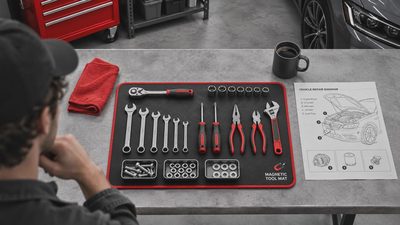
- Photograph the label and measure length, width, thickness, and hole spacing.
- Find an installation manual or parts diagram from the manufacturer when possible.
- Compare the old and new parts on a workbench, not after one is already installed.
- Confirm the return policy before ordering.
- Test the repair gradually and inspect fasteners after the first use.
For 1605ta, save screenshots of the listing, dimensions, seller notes, and any manual you find. Product pages change, while your project notes will still be useful next year. If the code is printed on a larger assembly, search the assembly number too. The small code may identify only one insert or subcomponent.
Make the surrounding garage safer and easier to work in
A correct part can still fail if the garage around it is poorly set up. Give yourself clear working space, especially around a door, vehicle lift point, electrical panel, or bench vise. I like a minimum three-foot path through a working area and a wider zone wherever a long board or door section must move.
Lighting is another cheap improvement. A single ceiling fixture creates shadows exactly where a person is trying to read a label. Add bright, color-accurate LED shop fixtures and put task lighting over the bench. Keep cords off the floor with hooks or a cable reel. If 1605ta turns out to be a small part that requires detailed inspection, good light will prevent more mistakes than another bargain tool.
Storage should also reflect weight. Put paint, solvents, and heavy hardware on lower shelves. Keep frequently used hand tools between waist and shoulder height. Label bins by function rather than vague categories: electrical connectors, door hardware, sanding supplies, and vehicle fluids are easier to find than miscellaneous.

When to replace, repair, or walk away
A replacement makes sense when the original part is bent, cracked, corroded, or no longer supported by the manufacturer. Repair can work for a nonstructural cover, missing label, or simple fastener, but do not improvise on safety-critical equipment. A slightly different screw may be harmless on a cabinet hinge and completely wrong on a garage door track or electrical terminal.
Walk away from a listing when the seller refuses to provide dimensions, uses only generic photographs, combines incompatible model numbers, or promises universal fit without explaining limits. That is especially important when researching 1605ta, because an unfamiliar code can tempt buyers to fill in missing information with guesswork.
Keep the old component until the new one is installed, tested, and accepted. Take before-and-after photographs, retain receipts, and write down the final adjustment. This record turns a confusing repair into a reference for the next homeowner or for you when the same system needs service later.
A practical decision before you click Buy
Set the suspected 1605ta item beside the original and compare five things: purpose, dimensions, attachment points, material, and operating conditions. If all five match, the part is worth further consideration. If one is uncertain, contact the manufacturer or a reputable parts counter with photographs and measurements. A useful question is not Does this look right? It is Will this perform the same job under the same load, heat, moisture, and movement?
That question has kept my own garage from collecting a drawer full of almost-right hardware. It also keeps a small repair from becoming a damaged wall, a failed shelf, or an unsafe door. Take the extra ten minutes, verify 1605ta from the physical evidence, and build the surrounding workspace so the repair can be completed safely. Back to the bench.