A garage does not become a workshop because you bolted a pegboard to the wall. It becomes one when the right hand tools are within reach, sharp enough to use, and stored where you can find them. I have rebuilt my own garage three times and worked inside more than 40 attached garages. The biggest mistake I see is buying expensive power equipment before building a dependable basic kit of hand tools.
Start with the work you actually expect to do. Hanging shelves, repairing a gate, assembling cabinets, tuning a bicycle, and fixing a door all call for different pieces. You do not need a rolling chest full of tools on day one. You need a short list of tools that feel solid in your hand and will still be useful ten years from now.
The first hand tools every garage needs
Begin with a claw hammer in the 16-ounce range. A smooth-face Estwing or Vaughan hammer is a sensible choice for general repair, while a heavier framing hammer is tiring and unnecessary for most homeowners. Add two screwdrivers with comfortable handles, or buy a quality bit-driver set from Wera, Wiha, or Klein Tools. Phillips No. 2, Phillips No. 1, slotted, Torx, and hex bits cover a surprising amount of household work.
A pair of 8-inch adjustable pliers, tongue-and-groove pliers, diagonal cutters, and long-nose pliers belong in the same drawer. Channellock remains a dependable option, and Knipex Cobra pliers are excellent when you want finer jaw adjustment. Add a 25-foot tape measure, a combination square, a torpedo level, and a utility knife with replaceable blades. Those tools handle cabinet layout, picture hanging, trim repair, and most small garage projects.
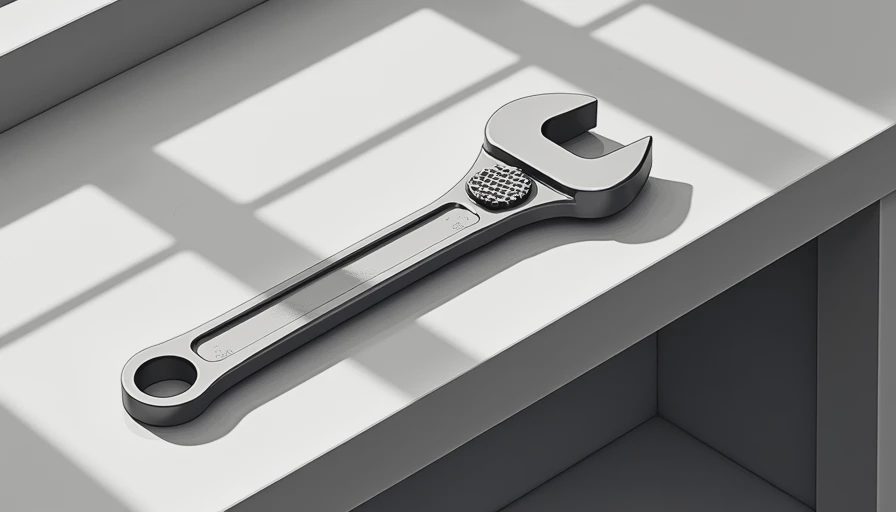
Do not skip a set of combination wrenches and a 3/8-inch drive socket set. A homeowner working on lawn equipment, bicycles, shelving, or a car battery will use metric sizes more often than expected. A set covering roughly 8mm through 19mm is a practical starting point. SAE sizes still matter for older equipment, so a mixed set is useful if your budget allows it.
How to choose quality without overspending
Price is not a perfect measure of quality. I have owned bargain tools that survived for years, and I have bought polished tools that were awkward enough to leave in the drawer. Look for jaws that meet evenly, ratchets with minimal backdrag, screwdriver tips machined cleanly, and handles that do not twist under pressure. In a store, open and close pliers, test the ratchet direction, and inspect the chrome for rough edges.
For a starter kit, plan on spending about $150 to $250 if you buy carefully. That can cover a hammer, pliers, drivers, a tape measure, a level, wrenches, sockets, and a sturdy toolbox. A larger professional-grade collection can easily reach $500 or more, especially when you add specialty tools. Brands such as Craftsman, Husky, Tekton, Milwaukee, Klein, and Knipex occupy different price points, so compare the individual tool rather than assuming one brand wins every category.
Avoid buying a 300-piece set just because the package looks like a bargain. Many large kits contain duplicate screwdriver bits, tiny sizes you will never use, and flimsy cases. A smaller 100-piece kit with useful sockets and a separate pair of good pliers often serves a garage better. I have screwed this up so you do not have to: the cheapest kit in the aisle usually costs more after you replace the three tools you use every week.
Organizing hand tools around the bench
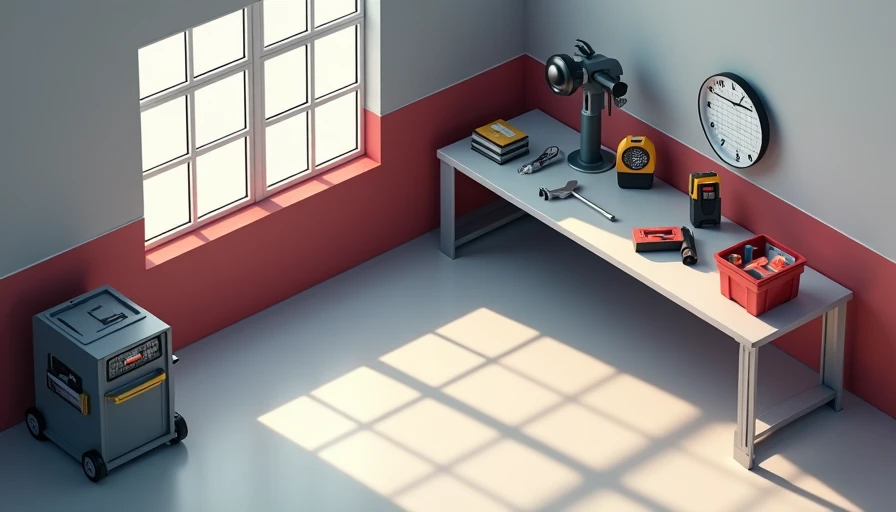
Storage should follow your workflow. Keep daily-use tools between waist and shoulder height, where you can grab them without bending over or reaching across a workpiece. A shallow tool chest is better than a deep drawer for screwdrivers and pliers because the contents remain visible. For larger pieces, a wall-mounted French cleat, steel pegboard, or slatwall keeps the bench clear.
I use a five-drawer chest under my bench. The top drawer holds drivers, hex keys, and measuring tools. The second holds pliers and cutters. Sockets live in rails in the third drawer, and wrenches sit in roll organizers below. This arrangement costs less than a premium cabinet and saves real time. When a tool has a home, missing equipment is obvious before a project stalls.
Leave at least 36 inches of walking space in front of the bench. If your garage is also parking space, put the toolbox on locking casters and keep its depth under about 24 inches. Measure with the vehicle parked inside, doors open, before buying storage. I once installed a deep cabinet that looked fine on an empty floor; with my pickup parked, it blocked the driver door completely.
Hand tools for woodwork and home repairs
If your garage will handle shelves, cabinets, or trim, add a 12-inch or 14-inch backsaw, a sharp block plane, a set of chisels, and several clamps. A Stanley Sweetheart block plane can be tuned into a useful bench tool, but it needs a flat sole and a properly sharpened iron. For chisels, a four-piece set from Narex or Stanley is enough to begin. Keep a honing guide and two sharpening stones nearby; dull edges cause more slips and damaged lumber than beginners expect.
Clamps are where many homeowners underbuy. Four 12-inch bar clamps handle small assemblies, while two 24-inch or 36-inch clamps cover cabinet work and repairs. Add quick-grip clamps for temporary positioning, but do not use them as a substitute for real clamping pressure. A solid work surface matters just as much. Two sheets of 3/4-inch plywood screwed together make a serviceable top, especially when supported by a frame that does not rack.
For repair work, include a small pry bar, nail set, stud finder, drywall saw, and a set of files. A half-round file is particularly useful for fitting plastic, wood, and soft metal. These are not glamorous purchases, but they solve the annoying jobs that otherwise turn into trips to the hardware store.
A safe, useful buying plan
Buy in stages instead of chasing a complete collection. During the first month, get the hammer, drivers, pliers, tape measure, level, utility knife, adjustable wrench, and socket set. After you complete a few projects, notice what slowed you down. If you kept borrowing a square, buy one. If you fought rusty fasteners, add penetrating oil and six-point sockets. If assemblies shifted, buy better clamps.
Inspect hand tools before every serious job. Replace cracked handles, rounded screwdriver tips, bent pry bars, and cutters that require excessive force. Wear safety glasses when driving fasteners, cutting wire, striking punches, or scraping metal. Never use a screwdriver as a pry bar or a wrench as a hammer; that is how inexpensive repairs become hand injuries and damaged tools.
A clean, well-lit bench also improves safety. Aim for bright, even lighting over the work surface, not one bare bulb behind your shoulders. A $40 to $100 LED shop-light upgrade can make small markings and damaged fasteners easier to see. Keep a magnetic tray for loose hardware and a small bin for dull blades so cleanup does not become a second hazard.
Build the kit around your garage
The best hand tools are the ones that match your projects, not the ones shown in a massive catalog. A homeowner who maintains a mower needs sockets, pliers, and files. Someone building cabinets needs squares, chisels, clamps, and a plane. A family using the garage for general repairs needs measuring tools, drivers, a hammer, and organized storage before anything specialized.
Spend first on tools that improve accuracy and control, then add specialty pieces when a real project demands them. Buy fewer items, store them deliberately, and replace weak pieces instead of hiding them in a drawer. That approach gives you a workshop that works in January, not just one that looks organized during a weekend cleanup.
Back to the bench.