Impact wrenches are one of those tools that can turn a miserable Saturday job into a quick repair. When a rusted lug nut refuses to move or a suspension bolt has been tightened by someone with a six-foot cheater bar, the right wrench saves your knuckles and your afternoon. I have used impact tools in cold Ohio garages, dusty driveways, and professional remodeling shops, and the biggest lesson is simple: buy for the work you actually do, not the biggest torque number printed on the box.
What an impact wrench actually does
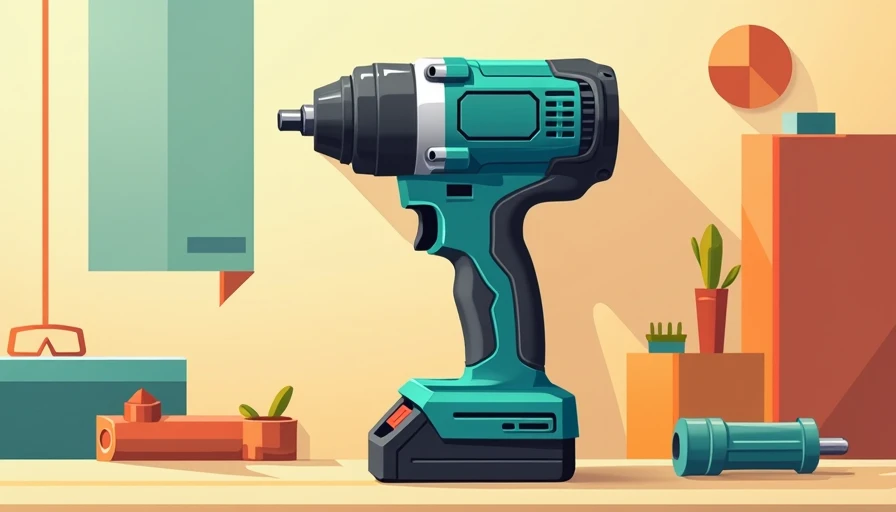
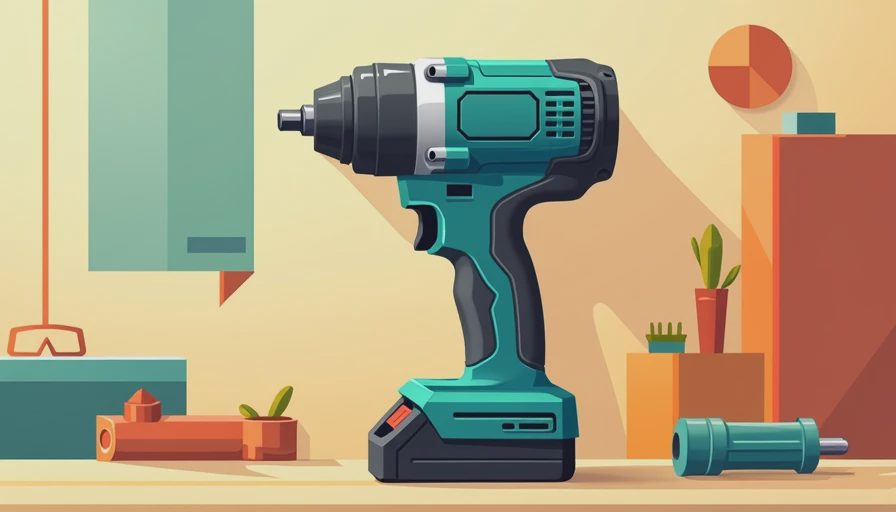
An impact wrench combines motor power with a hammering mechanism. The motor spins the square drive, while the internal hammer strikes repeatedly to produce short bursts of torque. That impact action helps break loose fasteners that a regular drill or ratchet cannot handle.
A drill driver uses a chuck and is designed primarily for drilling and driving screws. An impact driver uses a hex bit holder and is smaller, but it is not the same tool. Impact wrenches normally use a square drive, commonly 1/4 inch, 3/8 inch, 1/2 inch, or 3/4 inch. For most homeowners, a 3/8-inch or 1/2-inch model covers automotive work, lawn equipment, trailer repairs, and heavy furniture assembly.
The tool is most useful when you need speed and high breakaway force. It is not a substitute for a torque wrench. I use an impact wrench to run lug nuts down gently, then finish them with a calibrated torque wrench. That prevents damaged studs, warped brake rotors, and the false confidence that comes from trusting a tool's maximum rating.
Cordless, pneumatic, or compact?
For a typical attached garage, cordless impact wrenches are the easiest choice. Current 18-volt and 20-volt battery platforms offer enough power for wheel changes and many suspension jobs without an air hose crossing the floor. Milwaukee, DeWalt, Makita, and Ryobi all make useful cordless systems, but the best purchase is often the platform you already own. A bare tool can cost $120 to $300, while a kit with battery and charger often runs $200 to $450.
Pneumatic impact wrenches still earn their place in a shop with a capable compressor. A quality 1/2-inch air model can be lighter than a cordless equivalent and comfortable during long sessions. The catch is the compressor. Many small pancake compressors cannot deliver the sustained air volume these tools need. A compressor rated around 5 to 7 cubic feet per minute at 90 PSI is a more practical starting point for regular automotive use, and you still need a hose, fittings, oil, and a water separator.
Compact cordless impact wrenches are excellent for tight spaces. They generally give up some maximum torque, but their shorter heads fit behind brake assemblies and between suspension components. For a homeowner who changes wheels twice a year and performs occasional maintenance, compact size is often more valuable than a spectacular peak number.
How much torque do you need?
Manufacturers usually list fastening torque, breakaway torque, or both. These figures are not always measured the same way, so do not compare every number as if it came from one standardized test. A tool advertised at 1,000 foot-pounds may deliver that only briefly under ideal conditions, while a smaller model can feel more controlled in real use.
For passenger-car lug nuts, a 3/8-inch impact wrench in the 200-to-400 foot-pound range is usually plenty. A 1/2-inch model in the 500-to-800 foot-pound class gives more breathing room for rusty fasteners, trucks, and trailer work. Heavy-duty truck, farm, and commercial repairs can justify larger tools, but they also bring more weight, noise, and a greater chance of damaging a fastener.
I made the mistake of buying the largest cordless model in a product line because the specifications looked impressive. It was powerful, but awkward under a vehicle and tiring when I had to hold it above shoulder height. I now prefer a mid-size 1/2-inch tool with multiple speed settings. The lower modes let me approach a fastener without instantly burying it in torque.
Features that matter in a home garage
A brushless motor is worth paying for when you use the tool regularly. Brushless models generally run cooler and make better use of battery power. A friction ring or hog ring makes socket changes quick, while a pin-detent anvil holds sockets securely but can be slower to use. For home maintenance, I usually favor the friction ring because I change sockets often.
Look for three or four speed settings, a useful work light, and a battery gauge. Automatic stop or reduced-power modes are especially helpful when reinstalling wheel nuts. They do not replace a torque wrench, but they reduce the chance of hammering a nut far beyond its specification.
Weight matters more than most buyers expect. A tool that weighs five pounds with its battery can feel fine for ten minutes and miserable after an hour. If you work under vehicles, compare the tool's head length and balance, not just its torque rating. A shorter housing can make the difference between reaching a bolt and removing half the surrounding equipment first.
Safe operating habits
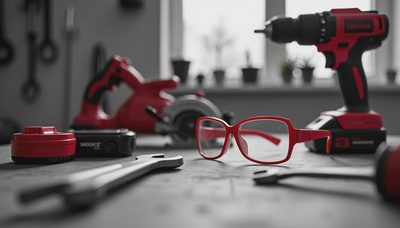
Use impact-rated sockets, not ordinary chrome sockets. Chrome sockets can crack under repeated impact loading, sending sharp fragments across the garage. Wear safety glasses, keep hands clear of the socket, and inspect the anvil and socket for damage before starting.
Clean exposed threads when possible, and do not use an impact wrench to force a cross-threaded nut. Start fasteners by hand for several turns. When loosening, support the tool squarely against the fastener so it does not twist sideways. If the tool cannot remove the bolt after several seconds, add penetrating oil, allow time for it to work, and consider heat or a breaker bar rather than endlessly abusing the tool.
For wheel work, tighten in a star pattern and use the vehicle manufacturer's torque specification. I keep a 1/2-inch torque wrench on the same shelf as my impact wrenches because that final check is part of the job, not an optional extra.
A practical buying plan
Start by listing your real jobs: tire rotation, brake work, mower repairs, trailer maintenance, or occasional construction projects. If wheels and light repairs are the main tasks, a compact 3/8-inch cordless model is economical and easy to store. If you work on trucks or regularly encounter seized fasteners, choose a mid-range 1/2-inch model with a 4-amp-hour battery.
Budget $150 to $250 for a dependable bare cordless tool if you already own compatible batteries. Plan on $250 to $450 for a complete kit from a major platform. Add $40 to $100 for impact sockets, a torque wrench, and a decent storage case. For an air setup, calculate the compressor, hose, fittings, and maintenance supplies instead of pricing the wrench alone.
My garage has room for both a compact tool and a strong 1/2-inch model, but most homeowners only need one. Choose the tool that fits your fasteners, battery ecosystem, and working position. The best impact wrenches are the ones you can grab without rearranging the entire bench, use without fighting their weight, and put away ready for the next repair. I've screwed this up so you don't have to. Back to the bench.