Garage doors brown are one of those choices that look simple on a color card and much more complicated when you see them beside brick, siding, trim, and a concrete driveway. I have installed and remodeled enough attached garages to know that the right brown can make a house look finished, while the wrong one can make the door look like a large stain on the front of the home. The good news is that you do not need a designer's eye. You need to look at the fixed colors around the garage, understand how the finish is made, and choose a door you can live with through summer heat, winter salt, and years of opening and closing.
Why brown works on a garage exterior
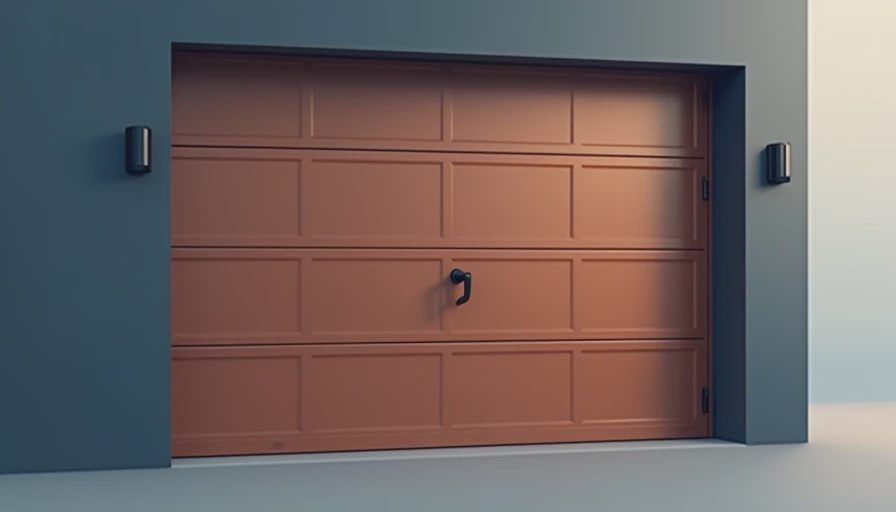
Brown has more visual weight than white, but it is usually less severe than black. That makes it a useful bridge between warm brick, tan siding, stone veneer, cedar accents, and darker roofing. Garage doors brown can also make a wide two-car or three-car opening feel less stark because the color breaks up the bright rectangle that white doors create.
The shade matters. A medium walnut brown often suits red brick and cream trim. Espresso can work with charcoal roofs, black window frames, and modern siding, but it shows dust and scratches more readily. A lighter chestnut or oak tone has a more traditional feel and can complement natural wood without trying to pretend the door is solid timber.
I tell homeowners to stand at the street instead of judging a sample from two feet away. Look at the door in morning light, late afternoon light, and under the porch fixtures. Brown can shift noticeably depending on the direction of the garage and the amount of shade over the opening.

Match the finish to the door material
The most convincing garage doors brown usually have a finish that matches the material's texture. Steel doors are commonly painted or finished with a factory coating. They are durable and often cost less than custom wood, but a flat brown steel panel can look artificial if the stamped grain is shallow. A textured finish or carriage-house panel design usually gives the color more depth.
Composite and fiberglass doors can provide a wood-look surface without the regular sealing that real wood requires. They are useful in wet climates or on garages that receive little protection from the weather. The better products have color variation across the panels instead of one perfectly uniform brown. Ask to see a full-size sample if possible; a small swatch will not show how repetition across four or five panels affects the appearance.
Real wood gives the richest result, especially in walnut, cedar, or mahogany tones, but it brings maintenance. A wood door may need cleaning and a new clear coat or stain every few years, depending on sun and moisture. It is also heavier, so the springs and opener need to be selected and adjusted for the actual door weight. A bargain wood door paired with undersized hardware is not a bargain for long.
What garage doors brown cost in real projects
For a standard single-car replacement, a basic insulated steel door often lands around $900 to $1,800 installed. A two-car door with windows, upgraded insulation, decorative hardware, and a factory brown finish commonly reaches $1,500 to $3,500. Custom wood or high-end composite designs can run from $3,500 to more than $8,000, particularly when the opening needs repair or the existing tracks are being replaced.
The color itself is rarely the largest expense. Custom paint, a nonstandard stain, upgraded window inserts, and heavier insulation add more. If the door faces west, spending extra for a good factory finish and a higher insulation rating can be sensible. A cheap door that bakes in afternoon sun may fade, warp, or develop panel movement sooner than expected.
When comparing garage doors brown, ask whether the quoted price includes removal, disposal, new tracks, springs, cables, weather seals, and opener adjustment. I have seen homeowners accept a low quote and then discover that the old tracks were left in place or the bottom seal was not included. Those missing details can turn a $1,200 job into a $1,700 job after delivery.
Insulation, windows, and hardware choices
If the garage shares a wall with a bedroom, office, or living room, insulation deserves more attention than decorative hardware. An insulated steel door with a polyurethane core usually feels more solid and helps reduce temperature swings. It will not turn an unconditioned garage into a heated room, but it can make the space more comfortable for a workbench, freezer, or gym.
Window placement changes the whole front elevation. Long rows of glass can brighten a dark garage, but they also add cost and can bring unwanted heat. Frosted or obscure glass gives daylight without advertising everything stored inside. For a workshop, a row of narrow windows near the top panel is often a better compromise than large lower panes.
Brown doors pair well with black, bronze, or oil-rubbed metal hardware. Use one finish consistently for handles, hinges, exterior lights, and house numbers. Decorative strap hinges should be mounted securely and checked for clearance; many are only visual pieces, but they still need to avoid interfering with the tracks or weather seal.
Installation details that prevent trouble
Before ordering, measure the opening width and height, side room, headroom, and backroom. Do not measure only the old door. An opener rail, torsion spring assembly, or low ceiling can change what will fit. A professional installer should inspect the framing around the opening and confirm that the header is sound before the new door arrives.
Garage doors brown show alignment problems clearly because uneven panel gaps create a shadow line against the darker surface. The tracks should be plumb, the rollers should move without binding, and the door should stay near mid-height when disconnected from the opener. If it drops hard or rises by itself, the spring balance needs correction. Never attempt to adjust torsion springs with improvised tools; the stored energy can cause severe injury.
The bottom seal is another small part that matters. A good seal keeps leaves, blowing rain, mice, and winter drafts out. On a sloped driveway, the installer may need a larger seal or a retainer that follows the floor. I would rather spend an extra $60 on a proper seal than sweep grit out of the garage all winter.
Keeping brown doors looking good
Maintenance is straightforward if you do it before the finish looks neglected. Wash the exterior with mild soap, water, and a soft brush once or twice a year. Rinse away road salt promptly if you live where deicing chemicals are used. Avoid aggressive pressure-washing around window seals, decorative trim, and the bottom gasket.
Inspect the finish for chalking, bubbling, rust at fasteners, and damage along the bottom panel. Small steel scratches can often be cleaned, primed with a compatible product, and touched up before corrosion spreads. Do not use a random household paint over a factory coating without confirming compatibility. The touch-up may look acceptable at first and then peel after a hot season.
Lubricate the rollers, hinges, and springs with a garage-door lubricant, not a heavy grease that collects grit. Test the photo-eye safety sensors and the auto-reverse feature several times a year. A door that looks excellent in walnut or espresso still needs the same safety checks as a plain white one.
My practical buying checklist
Start by photographing the front of your house in daylight. Place brown, tan, charcoal, and black samples over the garage opening in the image so you can compare the visual weight from the street. Then identify the dominant fixed color: brick, siding, stone, roof, or trim. Choose a brown that relates to that color instead of matching every small accent.
Next, decide whether the garage is just storage or a room you use. For a workshop in an attached garage, I would prioritize insulation, a dependable seal, quiet rollers, and enough windows for useful daylight. For a detached storage garage, a durable steel door may be the smarter place to save money. Ask for a written quote that lists the door, finish, springs, tracks, opener work, removal, and warranty.
Garage doors brown do not have to be expensive to look intentional. A well-installed insulated steel door in a restrained walnut tone can outperform a poorly maintained custom wood door. I painted my own old door years ago, skipped the proper preparation, and watched the coating fail around the bottom panel. I've screwed this up so you don't have to: spend time on the sample, spend money on sound hardware, and get the installation details in writing. Back to the bench.