The overhead door python 2 garage door opener is an older belt-drive unit that still shows up in attached garages across the country. I have worked on enough of these to know the usual story: the motor runs, the door barely moves, and the owner starts shopping for a complete replacement before checking the belt, sensors, or wall control. I've screwed this up so you don't have to. Start with the simple mechanical and electrical checks before spending several hundred dollars.
What the Python 2 is and why it matters
The Python 2 belongs to the Overhead Door family of residential openers and is closely related to equipment sold through the Genie network. The exact parts and remote compatibility depend on the production year, circuit board, and radio system installed in your unit. That is why a remote labeled “for Overhead Door” is not automatically correct. Look for the model and serial information on the opener housing, then photograph the terminals, belt, and control board before ordering anything.
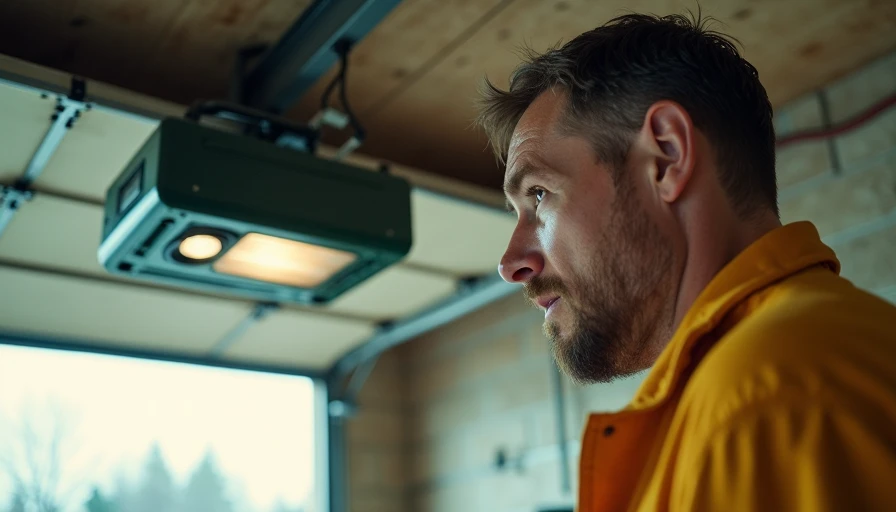
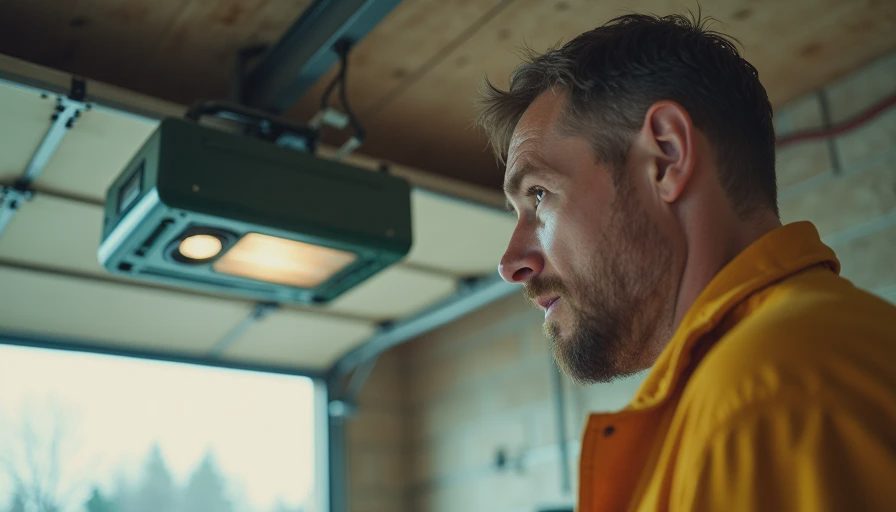
This opener uses a motor, drive belt, trolley, rail, limit settings, safety sensors, and wall control to move the door. Each part has a different failure pattern. A humming motor with no movement points toward a belt, trolley, or gear problem. A door that reverses after touching the floor often has a travel setting or obstruction issue. A flashing sensor light usually means the photo-eye circuit is not satisfied. Separating those symptoms saves a lot of random parts swapping.
If the opener is mounted to a properly balanced door, it should lift smoothly without the motor sounding strained. Disconnect the door from the trolley with the emergency release and lift it by hand. It should move through the opening with steady resistance, not drop or shoot upward. If the door is heavy, crooked, or grinding at the rollers, repair the door first. An opener is not a substitute for working springs.
Overhead door python 2 garage door opener troubleshooting
Begin at the wall outlet and work forward. Plug in a lamp to confirm power, then inspect the opener's cord and any switch that controls the receptacle. If the lights work but the motor does nothing, hold the wall button while watching the indicator lights. A locked wall console, failed control wire, or damaged logic board can create the same symptom as a dead motor.
Next, inspect both safety sensors near the floor. They should face one another directly, usually within a few inches of the track, with clean lenses and solid mounting. Wipe them with a dry cloth and check for loose low-voltage wires at the sensor and opener terminals. Sunlight shining straight into one sensor can occasionally interfere with the beam; shading or slightly repositioning the sensor can confirm the diagnosis.
The belt deserves a close look. It should be seated correctly on the sprocket and trolley, with no torn teeth, frayed edges, or slack that lets it slap the rail. A replacement belt commonly costs roughly $40 to $90, while a control board can run $80 to $180 depending on availability. Labor from a garage door company often adds $100 to $250. Those figures are why diagnosis matters before ordering.
Never bypass the photo-eye sensors or adjust a spring yourself. Springs store enough energy to cause severe injury. You can clean sensors, tighten mounting screws, test the wall control, and examine the belt, but spring replacement and major door repairs belong to a trained technician.
Remote controls, keypads, and programming
The overhead door python 2 garage door opener may use an older Intellicode-style radio system, but the correct programming steps depend on the receiver and remote generation. Some versions learn a remote from a button on the opener head; others use a separate receiver or a wall console sequence. If the remote stopped working after battery replacement, erase-and-relearn procedures can help, but do not erase every stored remote until you have the replacement in hand.
Use a fresh battery of the type printed inside the remote. Inspect the contacts for corrosion and check whether the remote's indicator light turns on. If the wall button operates the door but the remote does not, the motor is probably not the first thing to replace. If neither control works, focus on power, wiring, lockout functions, and the logic board.
A new universal remote can be a reasonable short-term fix, but compatibility is not guaranteed by brand name alone. Bring the old remote or a clear photo of its buttons to a parts counter. For a rental property or detached garage, a wireless keypad is convenient, yet an older receiver may require an adapter rather than accepting a modern keypad directly.
Repair or replace the opener?
Repair makes sense when the rail is straight, the motor is quiet, the belt is available, and the door itself is balanced. A sensor adjustment or remote replacement can keep the system working for under $50. A belt, trolley, or wall control can bring the project closer to $100 or $200 in parts and service. That is still less than replacing a complete opener and installing it correctly.
Replacement becomes more attractive when the circuit board is discontinued, the motor overheats, the rail is bent, or several systems fail together. A basic chain-drive replacement often lands around $250 to $450 installed. A quieter belt-drive unit with battery backup and modern connectivity commonly reaches $400 to $750 installed. Confirm whether the installer will remove the old rail, dispose of it, adjust the door limits, and test the reversing force.
The overhead door python 2 garage door opener can also be worth replacing if your household needs reliable smartphone control, battery backup, or stronger security features. Do not choose by horsepower alone. A correctly balanced single-car door may run well on a modest residential unit, while an oversized or unusually heavy door needs a different setup.
A practical service routine
Once a year, disconnect the opener and inspect the mounting straps, rail, belt, trolley, and wiring. Tighten loose hardware without crushing the rail. Lubricate the door hinges, rollers, and spring bearing points with a garage-door lubricant, but keep lubricant off the belt and photo-eye lenses. Test the manual release and verify that the door remains balanced halfway open.
Then place a piece of scrap lumber on the floor where the door closes. Run the opener and confirm that it reverses after contacting the obstruction. Test the photo-eye response by interrupting the beam while the door is closing. If either test fails, stop using the opener until the problem is corrected. These are not optional convenience features; they are central safety functions.
Write the opener model, remote type, belt part number, and date of service on a label near the wall control. That five-minute record will save an hour the next time the door fails during a winter storm. Take pictures before disconnecting wires, especially if the terminals are faded or the installation has been modified.
For many homeowners, the overhead door python 2 garage door opener is repairable equipment rather than disposable equipment. For others, an older board or worn drive makes replacement the cleaner choice. Get a diagnosis based on the door and opener together, compare the repair price with a modern installed unit, and do not let a salesman replace a sensor adjustment with a whole new system. Back to the bench.