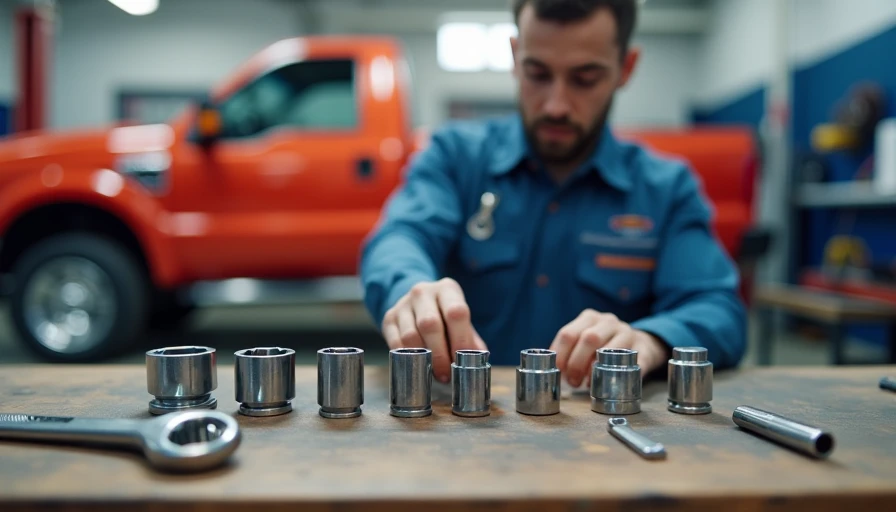
A decent set of socket sets is one of those purchases that changes how a garage feels. The right pieces let you service a mower, tighten a loose trailer hitch, assemble shelving, or work on a family car without stopping every five minutes to hunt for the correct size. The wrong kit is 200 shiny pieces, three missing adapters, and a case that will not stay latched.
I have screwed this up so you do not have to. I bought a giant bargain set early in my remodeling years, and the thin-wall sockets rounded fasteners on a stubborn suspension job. For most homeowners, a smaller, better-organized collection beats a huge count printed on the lid.
Start With Drive Size, Not Piece Count
The drive size is the square connection between the ratchet and socket. For a home garage, 1/4-inch, 3/8-inch, and 1/2-inch drives cover nearly everything you are likely to tackle. A 1/4-inch setup handles small fasteners, hose clamps, electronics brackets, and interior work. A 3/8-inch ratchet is the everyday choice for furniture, lawn equipment, and most vehicle repairs. A 1/2-inch drive gives you the leverage for lug nuts, larger bolts, and heavy-duty hardware.
A practical first purchase is a 3/8-inch set with shallow and deep sockets, a six-inch extension, and a locking flex-head ratchet. Add a 1/2-inch impact-rated set later if you own an impact wrench. Do not use ordinary chrome sockets on an impact tool. The metal and finish are not designed for repeated hammering, and fragments can become a safety problem.
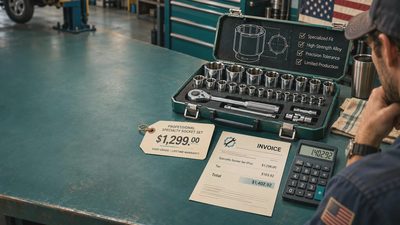
For light work, 1/4-inch socket sets usually cost about $25 to $70. Solid 3/8-inch socket sets commonly land between $60 and $180, while a useful 1/2-inch impact collection can run from $80 to $250. Prices depend on coverage, warranty, and whether the case includes duplicate sizes.
Metric and SAE Coverage That Makes Sense
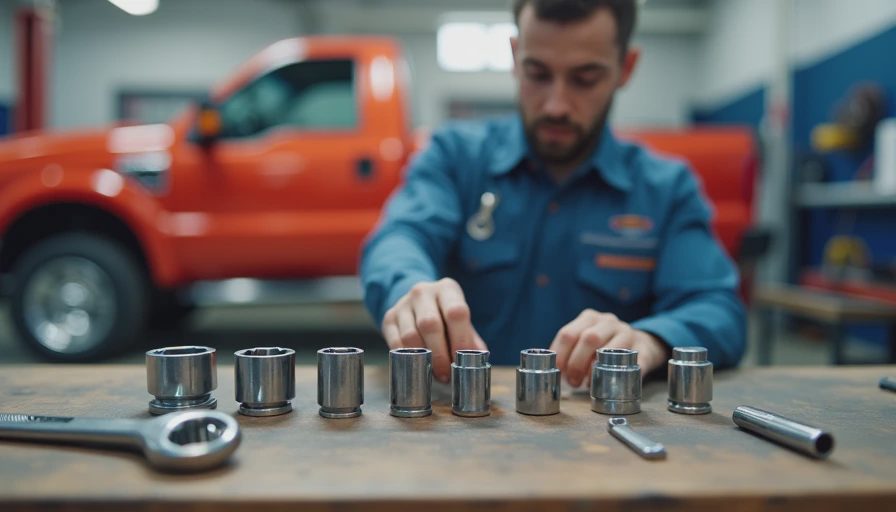
Most newer vehicles and imported equipment use metric fasteners, while older American cars, household hardware, and some trailers still use SAE sizes. That is why I would not build a garage around only one measurement system. You do not need every size from 3/16 inch to 1 inch on day one, but you do need the common middle range.
For metric, look for 8mm through 19mm, with extra attention to 10mm, 12mm, 13mm, 14mm, 15mm, and 17mm. For SAE, 1/4 inch through 3/4 inch covers many household and older-vehicle jobs. Six-point sockets grip the flat sides of a hex head and are safer on tight fasteners than twelve-point sockets. Twelve-point versions are convenient when access is limited, but I use them after the fastener has already broken loose.
A homeowner example makes the difference clear. Installing a wall-mounted storage rack may call for a 13mm socket. Adjusting an older snowblower could require a 9/16-inch socket. If your set only covers metric, the job stops before it starts. Mixed socket sets cost a little more, but they prevent duplicate shopping trips.
Chrome, Impact, Deep, and Specialty Sockets
Chrome sockets are polished and easy to wipe clean. They belong on hand ratchets and standard extensions. Impact sockets are darker, thicker, and made for power tools. The two types can look similar on a shelf, so label the drawer or keep impact pieces in a separate case.
Deep sockets reach nuts farther down a threaded stud, such as a shock mount or a long bolt through a bracket. Shallow sockets fit where clearance is tight. If you are choosing between a larger shallow-only kit and a smaller set with both depths, choose the second option. I have spent too much time trying to stack extensions because a shallow socket could not reach the nut.
Specialty pieces are useful once you have a specific need. Spark plug sockets, swivels, wobble extensions, and pass-through sockets can save an hour on the right repair. They should not be the reason you buy a 300-piece case. Build the foundation first, then add the unusual tools that your garage work actually demands.
Brands and Cases Worth Considering
I have had good long-term results from GearWrench, Tekton, Husky, Craftsman, and Kobalt in homeowner and light remodeling work. Each brand sells different tiers, so the name on the lid is not enough. Look at the ratchet mechanism, warranty process, socket markings, and whether replacements are available individually.
Tekton is often attractive when you want broad metric and SAE coverage without paying premium truck-brand prices. GearWrench offers useful ratchet and specialty-tool options. Husky and Kobalt are convenient if a local store matters, especially when you want to exchange a damaged piece quickly. Craftsman remains familiar and widely available, but inspect the exact set rather than assuming every line has the same quality.
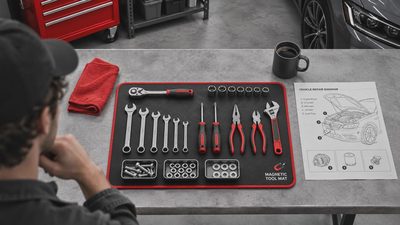
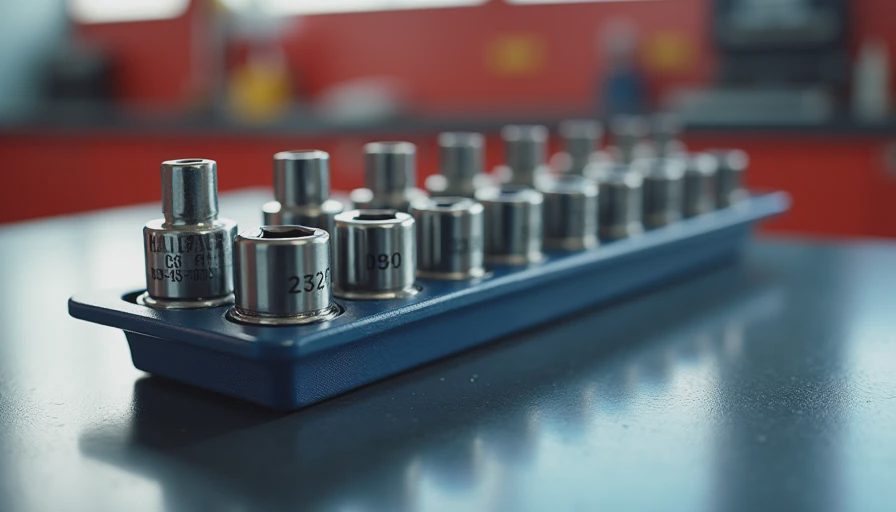
The case deserves more attention than it gets. A metal drawer, molded tray, or strong blow-molded box should keep every socket in a labeled position. If the tray flips upside down when you open it, you will eventually lose the 10mm socket. I prefer a shallow drawer organizer for the daily set and a portable case for tools that leave the garage.
How I Would Build the Set in Stages
Stage one is a 3/8-inch metric and SAE set, preferably six-point, with shallow and deep sockets from the common sizes. Add a ratchet, two extensions, and a universal joint. This handles a surprising amount of vehicle, furniture, bicycle, and lawn-equipment work.
Stage two adds a 1/2-inch ratchet, larger sockets, and impact-rated pieces if you regularly remove lug nuts or work on trailers. A torque wrench belongs here as well. Tightening wheel hardware by feel is not a substitute for following the vehicle manufacturer's specification.
Stage three fills the gaps: 1/4-inch sockets for small work, spark plug sockets, Torx and hex-bit sockets, wobble extensions, and replacement ratchets. Buying in stages usually keeps the total near $150 to $400, depending on brand and whether you add an impact wrench. That is better value than replacing an entire bargain kit after two hard projects.
Keeping Socket Sets Useful for Years
Wipe grease and road salt from sockets before putting them away. A light coat of rust preventive on carbon-steel impact pieces helps in a damp garage, but do not soak ratchet mechanisms in oil. If a ratchet starts slipping, stop using it and service or replace it rather than forcing the handle harder.
Never hammer on a chrome socket, use a cheater bar on a small ratchet, or leave loose sockets scattered across a workbench. Mark missing pieces immediately with a strip of tape on the case. For stubborn fasteners, use penetrating oil, a breaker bar, heat only when the surrounding materials are safe, and patience. A larger socket is not a substitute for the correct size.
When comparing socket sets, ignore the biggest number on the box. Count the useful drive sizes, confirm both measurement systems, check for six-point coverage, and inspect how the tools will live in your garage. A compact set that stays complete will earn its drawer space every weekend. That is the kind of purchase I still trust after a full season of work. Back to the bench.