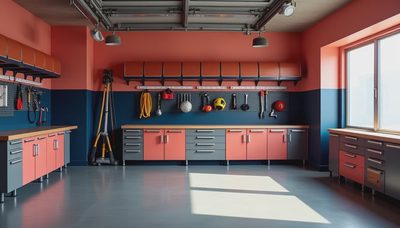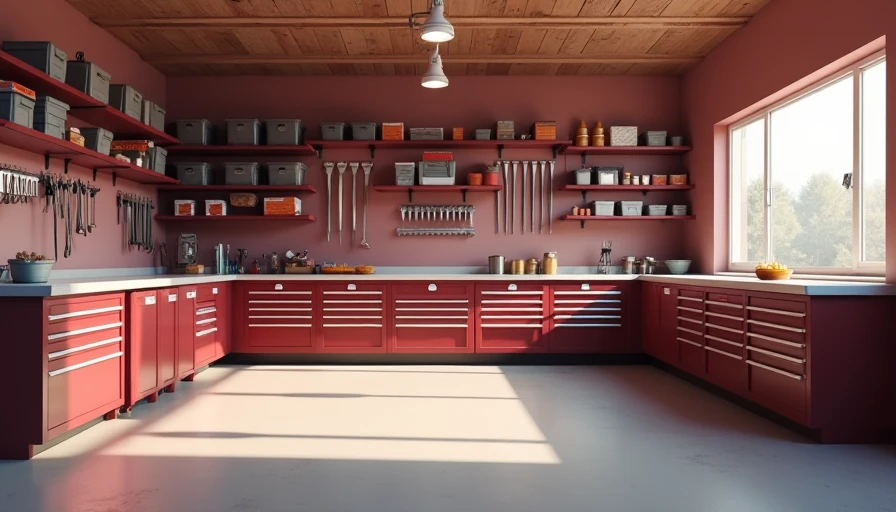
A cold coffee, two flat tires, and a snow shovel buried behind holiday decorations: that is how most garage projects begin. Good garage organization is not about making the room look staged for a photograph. It is about being able to find the socket set, open the car door, and still have room to work when February arrives. I have organized more than 40 attached garages, and I have screwed this up enough times so you do not have to.
Start by deciding what the garage must do. Parking two cars requires a different layout than a workshop, home gym, or storage room. Measure the vehicles, door swings, water heater clearance, and walking paths before buying cabinets. Leave at least 30 inches beside a parked vehicle for comfortable access, and mark the path from the house door to the driveway. A tape measure and painter's tape will reveal more than an afternoon of browsing storage products.
Empty the garage before you buy anything
The first useful step in garage organization is taking everything out. Pull boxes onto the driveway, sweep the floor, and group items by actual use: automotive, yard work, household repair, seasonal, sports, and dispose or donate. Do not create a neat pile of things you have not touched in five years. That pile is just clutter waiting for a new container.
I use a simple test: if an item is broken, duplicated, or impossible to identify, it does not earn valuable wall space. A cracked extension cord and a rusted bargain tool are not emergency supplies. Dispose of chemicals according to local rules, and keep paint, fuel, propane cylinders, and pesticides away from ignition sources. Never store gasoline in an unapproved container, and do not block the garage door opener or electrical panel.
Once the categories are clear, measure the volume of each one. Three small bins of holiday lights need a shelf; twelve totes of decorations may justify overhead storage. A two-car garage usually has more usable wall area than floor area, so the goal is to move infrequently used items upward without creating a falling-object hazard.
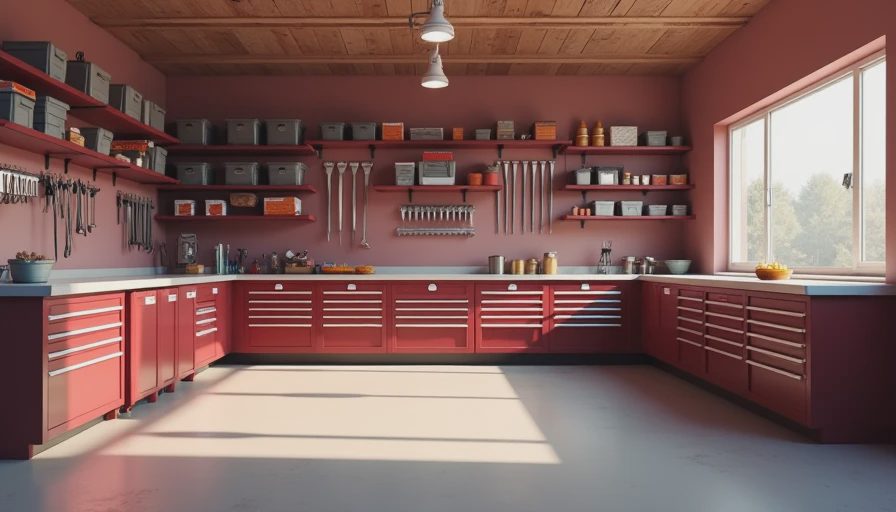
Build the walls around your workflow
The strongest garage organization layouts put frequently used tools between waist and shoulder height. A French cleat wall, metal track system, or plywood tool wall can all work. I prefer three-quarter-inch plywood over bare drywall when a homeowner plans to hang clamps, cordless tools, and garden equipment. Screw it into studs, not just drywall anchors. A four-by-eight sheet often costs $40 to $75 depending on grade, and it can support years of changes when properly fastened.
Put the workbench near outlets and good light, but not where an open car door will hit it. Keep a clear zone in front of the bench at least as wide as the longest workpiece you commonly handle. Pegboard is useful for light hand tools, while heavy shelves need structural brackets or cabinet sides. A wall-mounted cabinet from Gladiator, NewAge Products, or Husky can make sense when it has a published load rating and doors that keep grinding dust off clean tools. Brand name alone does not replace solid installation.
Reserve one narrow vertical bay for long objects. Brooms, shovels, rakes, levels, and folding sawhorses disappear into corners unless they have dedicated hooks. Store them handle-down only when the rack is designed for that position; otherwise, a falling rake is an avoidable headache.
Choose cabinets and shelves by weight, not appearance
A plastic tote shelf may be fine for paper decorations, but it is not a good home for brake rotors or bags of concrete. Before buying garage organization hardware, estimate the load. A shelf carrying five 40-pound storage bins needs a very different bracket than one holding empty coolers. Steel shelving is practical for heavy parts, while closed cabinets are better for dust-sensitive tools and chemicals that must remain inaccessible to children.
Keep heavy items between knee and chest height. Put lightweight seasonal boxes overhead, and label every container on two sides so the label is visible from the aisle. Clear bins help with small parts, but opaque totes protect fabric and paperwork from sunlight. I use a large label such as CHRISTMAS LIGHTS and a smaller note listing the contents. That simple detail saves a frustrating search in December.
Overhead racks can reclaim an impressive amount of floor space, but they must be attached to ceiling framing. Do not hang a loaded rack from drywall or rely on unknown fasteners. Leave clearance around the garage door tracks, opener, attic access, and sprinkler equipment. A rack that interferes with the door is not storage; it is an expensive repair waiting to happen.

Fix lighting, outlets, and the floor before finishing the setup
Storage cannot compensate for a dark or uncomfortable garage. A basic two-car space often benefits from several LED shop lights rather than one central fixture. Aim for even light over the bench, parking bays, and side walls. Color temperature around 4,000K to 5,000K gives a clean work light without the harsh blue cast of some 5,000K fixtures. Use a licensed electrician for new circuits, dedicated compressor outlets, or any work inside the panel.
For garage organization to stay usable, put outlets where tools will actually be used. A power strip stretched across a walkway is not a layout. Keep cords off the floor with hooks, and use GFCI protection where required for garage receptacles. Mount a fire extinguisher near the house entry, but not behind a stack of bins.
The floor deserves attention before cabinets arrive. I painted my concrete floor with a bargain coating; six months later, hot tires lifted it in sheets. A properly prepared professional epoxy or polyaspartic system costs roughly $4 to $10 per square foot in many markets, while a careful DIY kit can cost less but requires grinding, cleaning, and strict cure times. Repair cracks, remove oil, and follow the product's temperature limits. Let the surface cure fully before rolling heavy cabinets across it.
Make the workbench the center of the room
A useful bench is not necessarily expensive. Two heavy-duty base cabinets, a solid top, and a replaceable hardboard surface can outperform a decorative workbench. Set the height around 36 inches for general work, then adjust for your height and the tasks you perform. A lower surface is better for heavy assembly; a taller one suits detail work and standing repairs.
Place the vise near a corner with room to swing a handle. Keep measuring tools, drivers, and fasteners within one step, while saws and grinders belong where sparks cannot reach gasoline, cardboard, or solvent. Add a small parts tray so screws do not roll under the vehicle. This kind of garage organization makes the difference between starting a project and spending 20 minutes clearing the bench.
Leave one portion of the bench empty on purpose. If every inch is permanently assigned, the first weekend project will cover the entire surface. A mobile tool cart can extend the bench when needed and roll against the wall afterward. Locking casters are worth the modest extra cost.
Give the system a maintenance routine
The best garage organization plan is one you can reset in ten minutes. Keep a donation box near the house door, return tools to marked locations, and do a seasonal review before winter and spring. When a new tool comes in, decide where it lives before opening the package. If the wall is full, remove or relocate something instead of piling the new item on the bench.
Every few months, inspect shelf screws, rack hardware, cabinet doors, extension cords, and floor coating. Check that tires, bikes, and lawn equipment are not blocking the emergency path. Keep flammable liquids in appropriate storage and never run a gasoline engine inside an attached garage, even with the door open.
A garage does not need showroom cabinets to work well. It needs clear zones, strong attachment points, honest storage decisions, useful light, and a bench that invites you to use it. Spend first on measurements and infrastructure, then buy organizers that fit the work. That approach costs less than replacing overloaded shelves and makes every future project easier. Back to the bench.