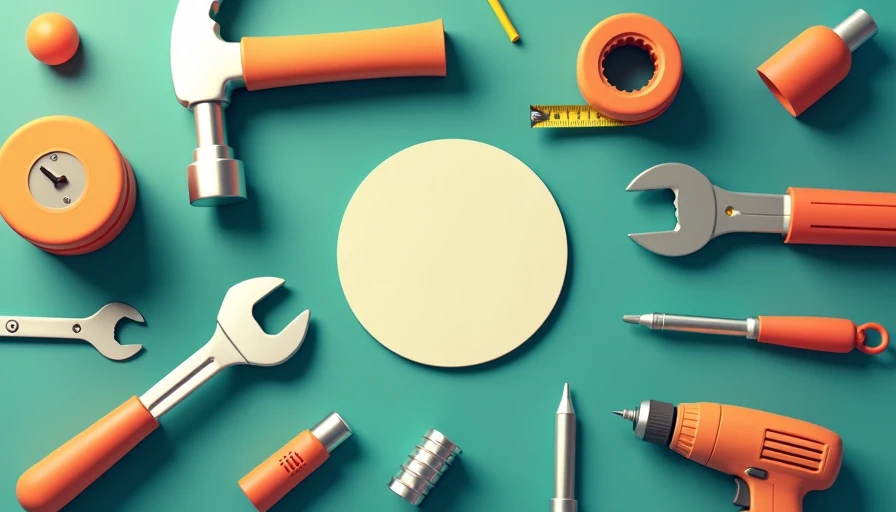
The best tools for home repair are not the flashiest ones hanging on a showroom wall. They are the tools you reach for when a cabinet hinge pulls loose, a toilet valve starts dripping, or a shelf needs to carry more than an empty box. After 22 years in residential remodeling and more than 40 garages, I have learned that a homeowner needs dependable basics before specialty gear. I have also bought plenty of junk. I've screwed this up so you don't have to.
Start with a dependable hand-tool kit
A solid 16-foot tape measure is the first purchase. I prefer a wide-blade model from Stanley FatMax or Milwaukee because the blade stays extended several feet without folding. Add a 9-inch torpedo level, a combination square, a utility knife with replaceable blades, and a set of screwdrivers with comfortable handles. A #2 Phillips screwdriver gets used constantly, but a square-drive bit set is just as useful for modern construction screws.
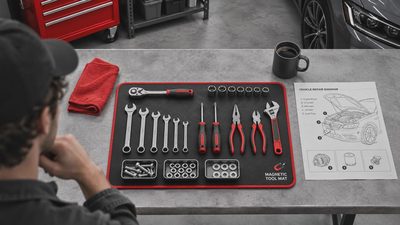
Do not overlook pliers. A pair of tongue-and-groove pliers, long-nose pliers, diagonal cutters, and locking pliers will handle plumbing adjustments, wire trimming, stripped fasteners, and temporary clamping. For hammer work, an Estwing 16-ounce smooth-face hammer is a sensible all-around choice. A fiberglass-handled model from Vaughan or Stanley costs less and is easier on the wallet. Buy one that feels balanced, not one with the biggest head.
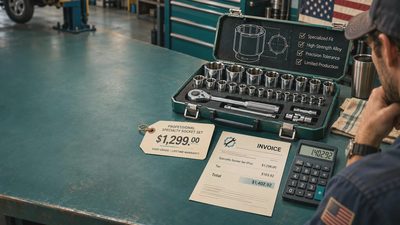
The best tools for home repair should also include a small socket set, preferably a 3/8-inch-drive set with both metric and standard sockets. Furniture, appliances, bicycles, and lawn equipment often use different fasteners. A basic set in the $40 to $90 range covers far more jobs than a giant bargain kit with thin sockets that round off bolts.
Choose a drill and driver that will not fight you
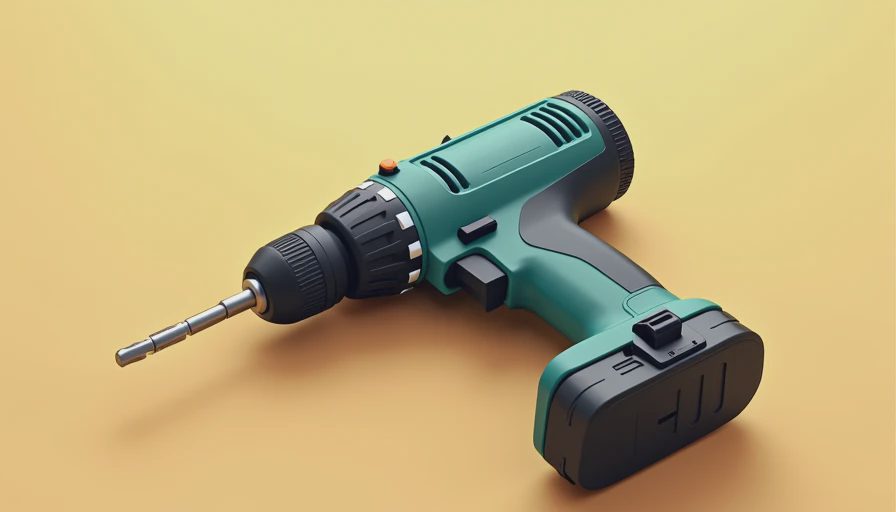
A cordless drill is the center of most home repair work. For a house, I like an 18-volt or 20-volt brushless platform from DeWalt, Makita, Milwaukee, or Bosch. The label voltage is not the whole story; clutch control, balance, battery availability, and chuck quality matter more. A compact drill with a two-amp-hour battery is easier to handle when you are installing hinges overhead, while a larger battery makes sense for long deck screws.
Buy an impact driver only after you have a drill. An impact driver is excellent for driving structural screws and long fasteners, but it is rougher on delicate hardware and can easily bury a screw head in soft pine. Keep a magnetic bit holder, nut drivers, drill bits, and countersink bits beside it. A $15 bit set that snaps on the first hard knot is false economy. Midrange bits from Bosch or Milwaukee generally give a homeowner a better working life.
The best tools for home repair need a place to live. I keep drill bits in a labeled case rather than loose in a drawer, because hunting for a 1/8-inch bit wastes more time than the repair itself. Store batteries indoors, away from freezing temperatures and direct summer heat.
Measuring, cutting, and finding what is behind the wall
Most bad repairs start with bad measurements. Measure twice, mark once, and write dimensions down before visiting the hardware store. A pencil, fine-tip marker, chalk line, and folding rule belong in the same drawer as the tape. For drywall and trim, a sharp pencil line is more useful than a complicated laser on many small jobs.
A handsaw, flush-cut saw, and 10-inch miter saw cover a surprising amount of household work. The miter saw is worthwhile if you regularly install trim, shelving, or framing, but it takes space and throws dust. For occasional work, have the store make rough cuts and finish them with a handsaw. A jigsaw is more versatile than many beginners expect for plywood, countertop openings, and curved cuts. Wear eye protection even when making a two-minute cut.
A stud finder helps, but do not trust it blindly. The Franklin Sensors ProSensor has been useful in my shop, yet I still confirm a stud with a small finish nail or by checking nearby outlets and trim. The best tools for home repair support judgment; they do not replace it. Before drilling into a wall, identify electrical, plumbing, and HVAC paths.
Add specialty tools only when the job justifies them
A homeowner does not need a professional tool for every possible failure. Buy specialty equipment when it prevents damage or saves a rental trip. A basin wrench is cheap insurance when changing a faucet. An adjustable wrench and a small pipe wrench handle many visible plumbing connections, but never use a pipe wrench on a polished fixture nut unless you want permanent teeth marks.
For electrical work, use a noncontact voltage tester, insulated screwdrivers, and a receptacle tester. Turn off the breaker, verify the circuit is dead, and understand that a tester is not a substitute for safe procedure. If a repair involves a new circuit, a service panel, or uncertain wiring, call a licensed electrician. The same practical boundary applies to gas lines and structural changes.
A shop vacuum is more useful than a household vacuum in a garage. The five- to 12-gallon models from Ridgid are common for good reason: replacement filters and hoses are easy to find, and they handle sawdust, drywall crumbs, and small water spills. Add a dust separator if you cut frequently. It keeps the filter from clogging and makes cleanup less irritating.
Storage and safety are part of the tool kit
The best tools for home repair are easier to use when you can find them in under a minute. I use a shallow rolling tool chest for hand tools and a wall-mounted French cleat system for items that need to stay visible. Pegboard works, but hooks can shift when you pull a heavy tool. A cleat gives you a more secure mounting surface, especially over a concrete garage wall.
Keep fasteners in clear bins labeled by size and purpose. One bin for drywall screws, one for exterior construction screws, and one for machine screws is more useful than a single container marked “miscellaneous.” Put a fire extinguisher near the garage entry, keep rags with oil or finish in a sealed metal container, and make safety glasses and hearing protection easy to reach. If protection is buried, it will not be worn.
Lighting deserves attention too. A 4-foot LED shop light with a neutral color temperature makes it easier to see pencil marks and damaged wiring. Add a rechargeable headlamp for crawlspaces and cabinet interiors. I painted my own garage floor without fixing the lighting first; six months later, I could see every missed patch and had to do the job again.
Build your buying plan around actual repairs
Start with the hand tools, drill, bits, measuring gear, and safety equipment. That first package can cost about $250 to $450 if you choose reputable midrange brands. Then add specialty tools according to the next three repairs on your list. If you are hanging cabinets, buy clamps and a laser level. If you are repairing a bathroom, buy plumbing tools. If you are building shelves, prioritize a circular saw guide, a good blade, and sturdy sawhorses.
Avoid buying a giant kit just because it contains 200 pieces. A kit can be a useful starting point, but inspect the ratchet, pliers, and screwdrivers before trusting them. Replace weak pieces rather than throwing out the whole case. The best tools for home repair are the ones that fit your hand, match your projects, and remain ready on the bench.
Set up a small repair station before the next emergency: one bright light, a solid work surface, a power strip, a first-aid kit, and the core tools within reach. That setup turns a frustrating Saturday into a controlled job. Back to the bench.