A good garage workshop is not built by filling every wall with shiny equipment. It starts with choosing michigan industrial tools that can handle real work, fit your available circuits, and survive Michigan winters without becoming expensive clutter. I have rebuilt enough garages to know that the wrong tool usually creates three more problems: poor storage, overloaded electrical service, and a workbench you cannot actually use.
The right setup does not require a commercial building. A homeowner with a 20-by-22-foot attached garage can create a capable repair and fabrication space with a solid bench, reliable lighting, organized storage, and a few carefully selected machines. The goal is not to copy a production shop. The goal is to buy equipment once, position it correctly, and still enjoy using it five years from now.
What to look for in michigan industrial tools
Start with construction quality rather than a long feature list. Cast iron tables resist vibration better than thin stamped steel, sealed switches hold up better in dusty spaces, and replacement parts matter more than a clever digital display. When I compare michigan industrial tools, I look for motors with published amperage, standard belts or wheels, accessible bearings, and a manual that does not disappear after the warranty ends.
A bench grinder is a good example. A $90 homeowner grinder can sharpen a lawn mower blade, but it may walk across the bench when you lean into a stubborn piece of steel. A 6-inch or 8-inch grinder weighing 40 to 60 pounds feels different because the base and motor absorb vibration. Brands such as Baldor are common in serious shops, while Jet and Rikon offer more approachable choices for a home garage. Expect roughly $250 to $800 for a grinder worth bolting down.
Measure twice before ordering. A drill press may need 30 inches of depth once you account for the quill handle and workpiece. A floor-standing model can consume a three-foot circle when you include room to position stock. Leave a clear path to the garage door, and do not place a machine where the car door or freezer will constantly interfere.

Building the electrical and floor foundation
Many michigan industrial tools are sold as if plugging them into any nearby outlet is enough. It is not. A 120-volt bench tool may share a circuit with lights, but larger compressors, welders, dust collectors, and table saws often need dedicated circuits. Have the electrical plan reviewed before buying equipment. A new 240-volt circuit can cost several hundred dollars in an accessible garage and considerably more if walls must be opened.
Cold weather adds another concern. An attached garage in Michigan can swing from below freezing to humid and damp within a season. Keep sensitive electronics off the slab, seal gaps around the garage door, and use a small heater only with proper clearance and ventilation. Do not run a gasoline engine, propane heater, or fuel-burning equipment in an attached garage unless the setup is specifically designed and ventilated for that use. Carbon monoxide has no smell and no second chance.
The floor should tolerate dropped sockets, cutting oil, and rolling equipment. I painted my own concrete floor years ago. Six months later, salt residue and hot tires had lifted sections of the coating, so I tore it out. A properly prepared two-part epoxy or polyaspartic system costs more, commonly about $4 to $10 per square foot installed, but preparation determines whether it lasts. For a working shop, add rubber tiles under the bench and machines rather than coating every inch with a glossy finish.
The machines that earn their footprint
The most useful combination of michigan industrial tools for a homeowner is usually a drill press, bench grinder, air compressor, and a dependable saw. The exact selection depends on whether you repair vehicles, build furniture, restore tools, or fabricate brackets. Buying all four at once is how a garage becomes a storage unit, so choose the machine that solves the problem you actually have.
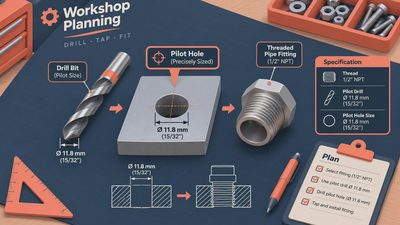
For general repairs, a 10-inch drill press with a 3/4-horsepower motor is a practical middle ground. It can bore clean holes in wood and light steel without demanding the space or price of a large production model. A 20-gallon compressor is useful for inflation, blow-off work, and intermittent air tools, but a small tank will disappoint you if you expect continuous sandblasting or bodywork. Check the compressor's delivered air rating, not just its horsepower label.
A compact horizontal bandsaw can be more useful than a metal-cutting chop saw in a residential garage because it produces less airborne grit and holds stock steadily. For wood projects, a contractor-style table saw with a riving knife and a reliable fence is often safer and more versatile than an oversized cabinet saw. Purchase dust collection at the same time. A machine without a plan for chips and filings becomes the machine you avoid using.
Storage, layout, and daily workflow
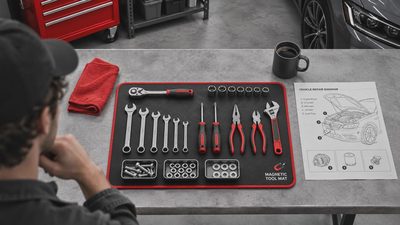
Even excellent michigan industrial tools become frustrating when every operation requires moving three other objects. Put the main bench on the longest uninterrupted wall and keep a 36-inch working aisle in front of it. Store frequently used hand tools between waist and shoulder height. Heavy vises, grinders, and compressors belong low and close to the floor; overhead cabinets should hold lighter items such as abrasives, measuring tools, and seasonal supplies.
A 24-inch-deep bench is enough for most home work, but make it at least 6 feet long if space allows. I prefer a 4-by-8-foot top with a replaceable 3/4-inch plywood skin over a solid frame. That gives room for a vise, sharpening station, and temporary parts without forcing everything into a pile. Bolt the vise through the top and reinforce underneath. A vise that twists under load is not a minor annoyance; it can turn a simple repair into a bent or damaged part.
Use rolling bases only where mobility is genuinely helpful. A machine that moves easily is also a machine that can roll into the garage door, hit a car, or pull a cord across a walkway. Locking casters help, but a fixed mounting point is better for a drill press or grinder used regularly. Before anchoring anything, park the vehicles and simulate opening both doors.

Buying without wasting money
The smartest way to shop for michigan industrial tools is to make a one-year work list first. Write down the jobs you expect to complete: brake repairs, mower maintenance, shelving, welding practice, woodworking, or tool restoration. Then identify which machine removes the biggest bottleneck. If you sharpen blades twice a month, a stable grinder earns its place. If you only need a hole every few weeks, a quality benchtop drill press may beat a large floor model.
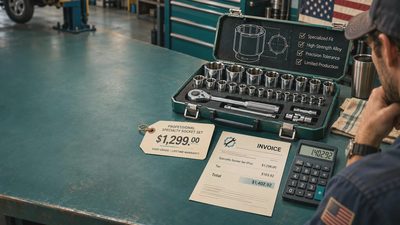
Used equipment can be a bargain, especially from older American manufacturers, but inspect it in person. Turn the spindle by hand, listen for rough bearings, check the table for excessive rust, and verify that guards are present. Ask whether the motor is 120 or 240 volts. A $200 machine can become a $700 project after a motor replacement, missing chuck, new belts, and electrical work.
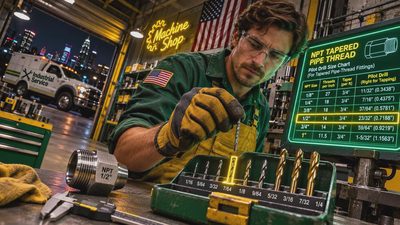
Buy consumables locally when possible. Grinding wheels, cutoff discs, drill bits, sanding belts, and saw blades are not where you should chase the lowest online price. A damaged or poorly stored abrasive can fail dangerously. Keep receipts for major purchases, record model numbers, and store manuals in one labeled cabinet. That small habit saves time when you need a belt, capacitor, or replacement guard.
A garage setup that lasts
Before bringing in michigan industrial tools, finish the boring work: brighter LED lighting, enough outlets, wall protection, ventilation, and a clear fire extinguisher location. Use separate lighting circuits so a tripped machine breaker does not leave you working in the dark. Keep extension cords short and heavy enough for the load, and never leave a cord stretched across a vehicle path.
Plan for noise as well. A compressor cycling beside a shared bedroom wall will make the best machine unpopular. Isolate it with vibration pads, locate it away from living spaces when possible, and consider a sound-reducing enclosure that still provides ventilation. The same practical thinking applies to welding curtains, fire-resistant storage, and a metal waste can for oily rags.
The best shop is the one you use on a Tuesday night, not the one that looks impressive on delivery day. Choose durable equipment, leave room around it, and build the electrical and storage systems before the machines arrive. I have screwed this up so you do not have to: one dependable tool in a usable layout beats five bargain machines buried behind boxes. Start with the work you actually do, then let your workshop grow one proven piece at a time.
Back to the bench.