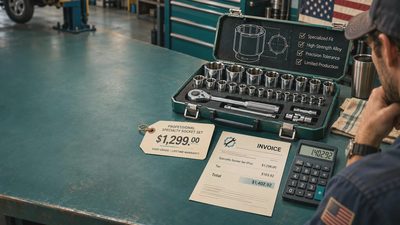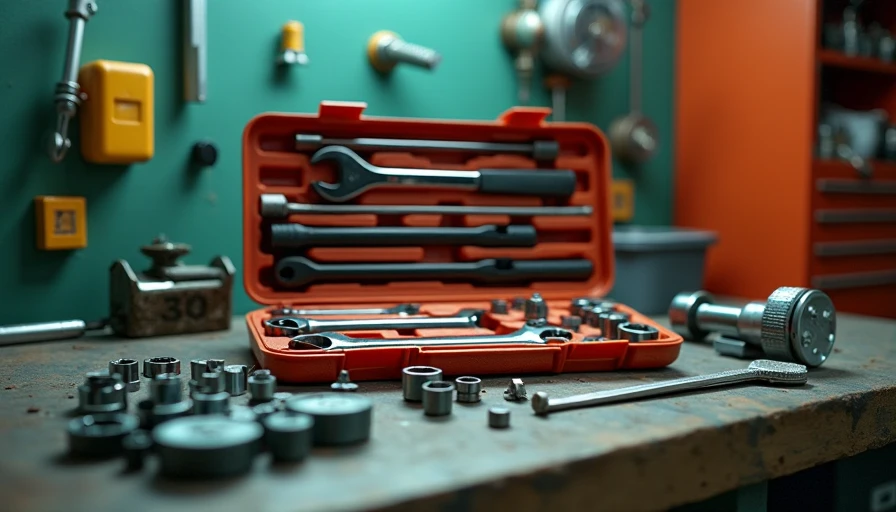
If you searched for wera tool check plus, you are probably trying to figure out whether this is a useful garage tool or just another clever-looking kit. I have had the set on my bench long enough to use it on cabinet hardware, electrical covers, bicycle parts, and the sort of mystery fasteners that turn up during a garage remodel. My short answer is simple: it is a genuinely good compact screwdriver system, but it is not a replacement for a full mechanic's tool chest.
The name points to Wera's Tool-Check Plus system, which combines a small ratchet, bit holder, sockets, and a selection of screwdriver bits in a compact molded case. It is designed for controlled fastening, not for leaning on a breaker bar or attacking a rusted suspension bolt. That distinction matters. I've screwed this up so you don't have to: the first time I used a compact ratchet set on a stubborn fastener, I was asking the tool to do a job meant for a longer handle.
What comes in the Wera kit
The set is built around a small 1/4-inch ratchet and a removable bit holder. Depending on the exact regional package, the bit assortment can differ, so read the current box carefully before ordering. The common Tool-Check Plus layout includes Phillips, slotted, Pozidriv, Torx, hex, and other common driver bits, along with sockets for smaller nuts and bolts.
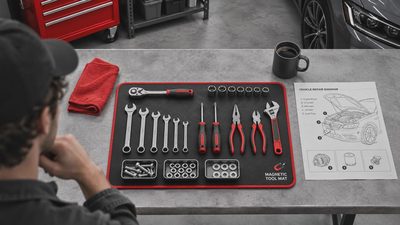
The useful part is not simply the number of pieces. It is the way the pieces are arranged. The case opens flat on a workbench, the ratchet sits securely in its holder, and the bits are visible instead of buried in a loose pouch. I can grab a T25 or a 5 mm hex bit without dumping half the drawer onto the floor. In a crowded garage, that saves more time than a marketing claim about having dozens of components.
Wera's color-coded sleeves are also practical. They make it quicker to identify a bit size when the light is poor, which is common under a car dashboard or at the back of a storage cabinet. The markings are small, though. If your eyesight is not what it was ten years ago, a bright bench light still matters more than the color system.
How it performs on real garage jobs
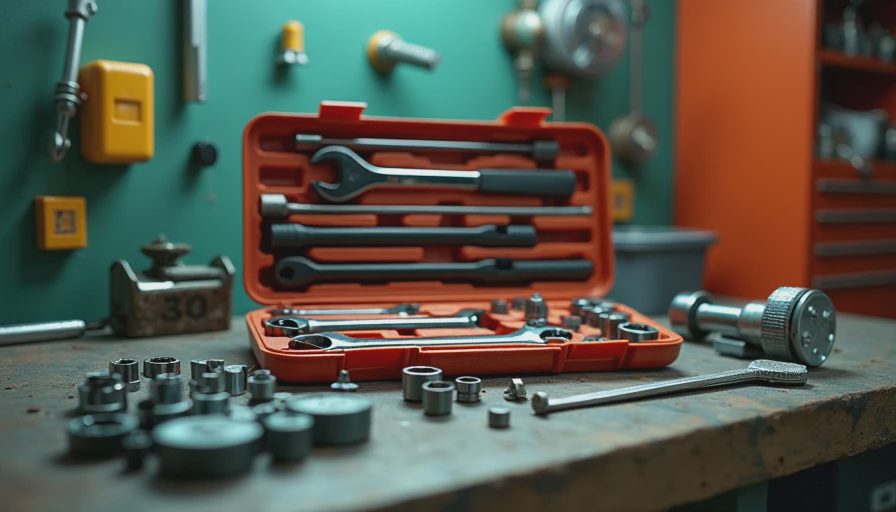
The wera tool check plus earns its place when access is tight. I have used the ratchet to remove license-plate screws, adjust cabinet hinges, assemble steel shelving, tighten bicycle accessories, and reach fasteners behind a workbench frame. The ratchet head is small enough to fit where a standard-handled screwdriver cannot, and its direction switch is easy to operate with one thumb.
The bit holder provides a solid connection for ordinary hand work. It does not feel like a bargain-bin driver where the bit wobbles in every direction. Wera's fit is especially noticeable on Torx screws. A properly matched T20 or T30 bit seats deeply and reduces the chance of chewing up the head.
Still, this is precision hand tooling, not an impact-rated accessory kit. Do not put the bits in a cordless impact driver unless the specific bit is marked for impact use. Do not use the little ratchet to break loose a seized bolt. For that, reach for a full-size ratchet, penetrating oil, and possibly heat where appropriate. The compact handle gives you control, but it does not give you much leverage.
The parts I like and the parts I watch
The ratchet is the star of the kit. Its fine tooth action helps in confined spaces where you only have a few degrees of movement. That is useful when working inside a garage door opener cabinet, tightening a junction-box cover, or installing brackets against a wall. The socket adapter also expands the kit beyond ordinary screwdriver work.
The case is another strong point. I have owned loose bit sets that became a metal-and-plastic rattle after one month in a tool bag. This case keeps the components organized and protects the smaller pieces from disappearing under a vehicle. It is not waterproof, and I would not leave it on a damp concrete floor, but it handles normal garage abuse well.
My main criticism is the compact size. The bits are short, and the ratchet handle can feel cramped if you have large hands. You also need to pay attention when returning pieces to the case. A bit placed in the wrong slot can make the next search slower, especially if the work area is dusty and poorly lit. A full screwdriver set remains faster for repetitive fastening at a comfortable bench height.

Wera Tool-Check Plus compared with alternatives
The wera tool check plus makes more sense than a large driver set when portability and access matter. A conventional screwdriver set from Craftsman or Husky is usually cheaper, easier to replace piece by piece, and better for long handles. A Milwaukee ratcheting multi-bit screwdriver is also a practical choice if you want a single everyday driver rather than a compact system with sockets.
The Wera kit pulls ahead when you want several functions in one small case. It is more refined than many generic ratchet bit sets, and the component layout is better suited to a permanent spot in a garage cabinet, truck console, or bicycle toolbox. The tradeoff is price. Depending on the seller and package, it commonly costs more than a basic 20-piece household bit set and less than a premium full mechanic's kit.
I would not buy it as the only tool kit for a new homeowner. I would buy it as the second layer after a basic screwdriver set, pliers, adjustable wrench, tape measure, and full-size ratchet set are already covered. That combination handles both routine projects and the occasional stubborn fastener.
Who should buy it
The wera tool check plus is a strong fit for a homeowner who does small repairs, assembles furniture, maintains bicycles, installs garage storage, or works on electronics and appliances. It is especially useful for someone who wants one organized kit instead of three drawers of loose bits. It also makes sense for a contractor's service bag, although heavy daily use deserves replacement bits and a larger backup ratchet.
It is less suitable for someone doing engine work, deck construction, or repeated high-torque repairs. Those jobs need longer handles, deeper sockets, dedicated nut drivers, and sometimes impact-rated accessories. Buying this set for that work would be like bringing a pocket knife to a framing job: capable, but poorly matched to the load.
How I would set it up on a garage bench
Keep the case in the drawer closest to your main work area, not in a storage bin across the garage. Add a small magnetic tray beside it for removed screws. I also keep a flashlight and a 6-inch extension nearby because lighting and access are usually the real limitations during small repairs.
Before starting a job, identify the fastener type and choose the bit that fills the head without rocking. Press straight into the screw, especially with Phillips hardware. Use the ratchet's short strokes rather than twisting aggressively. If the fastener refuses to move, stop and change tools instead of rounding it off.
For most attached-garage projects, this kit is a convenience purchase rather than a foundation purchase. It saves space, stays organized, and feels considerably better than the loose assortments sold in plastic tubs. The wera tool check plus is worth buying when you understand its lane: compact, precise hand work in places where a regular screwdriver is awkward.
I have kept mine because it solves a specific problem without taking over a drawer. That is the standard I use for any tool in my garage. If it earns its space after a full season of real work, it stays. This one has. Back to the bench.