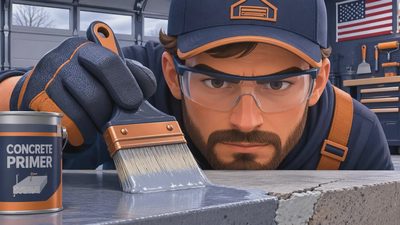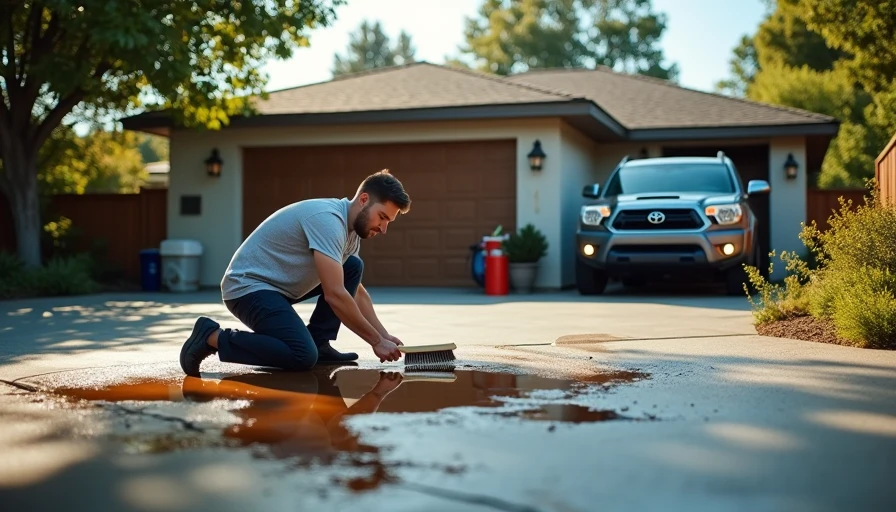
Oil stain on cement removal is one of those garage jobs that looks simple until you scrub for an hour and still see a dark, greasy shadow. I have dealt with this on my own garage floor and on plenty of remodel jobs. The reliable approach is not one magic cleaner. It is a sequence: pull out as much oil as possible, dissolve what remains, scrub it into a manageable slurry, and give the slab time to dry. Fresh spills are easier, but even an old stain can usually be improved without renting a diamond grinder.
Start by identifying the stain and protecting the slab
First, determine whether you are dealing with motor oil, gear oil, hydraulic fluid, or a water-based spill. Most garage marks are petroleum-based and leave a slick feel when damp. If the spot is still wet, cover it with clay-based oil absorbent, plain kitty litter, or a commercial product such as Oil-Dri. Avoid spreading it with a broom. Press the absorbent into the spill with your shoe, wait 20 to 30 minutes, then sweep it into a disposable container.
Wear nitrile gloves, safety glasses, long pants, and shoes with a firm sole. Open the garage door and, if possible, use a box fan to move fumes outdoors. Do not mix cleaners, especially bleach with ammonia-based products. Keep runoff away from floor drains, soil, and stormwater inlets. A five-gallon bucket, stiff nylon deck brush, plastic scraper, absorbent pads, and a wet/dry vacuum are more useful here than an expensive pressure washer.
For a fresh spot, oil stain on cement removal can begin as soon as the absorbent is swept up. For a stain that has been there for months, scrape off any raised residue first. A plastic drywall knife works well and will not gouge the concrete like a cold chisel can.
The best process for oil stain on cement removal
After dry cleanup, wet the area lightly with warm water. Do not flood the floor. Apply a concentrated degreaser designed for concrete, following the label dilution. I have used Simple Green Pro HD for general garage cleaning, while Zep Industrial Purple is stronger and should be diluted carefully. For a single automotive spill, start weaker than the label maximum; an overly strong cleaner can leave its own film and make the floor look cloudy.
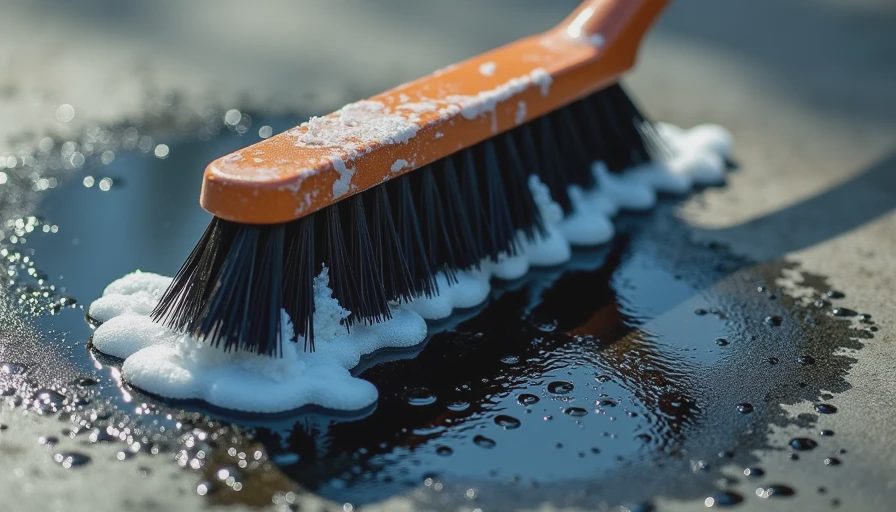
Work the cleaner into the stain with a stiff nylon brush. Use overlapping circles and spend extra time at the edges, where oil often spreads into the concrete pores. Let the solution dwell for 10 to 15 minutes, but do not allow it to dry. Scrub again, then remove the dirty liquid with a wet/dry vacuum or absorbent towels. Rinse with clean water and extract that water too.
Repeat the process two or three times rather than attacking the slab with one aggressive pass. Concrete is porous, and the first cleaning often pulls oil closer to the surface without removing everything. If the floor feels slippery after drying, there is still cleaner or oil residue present. Rinse and extract again before judging the result.
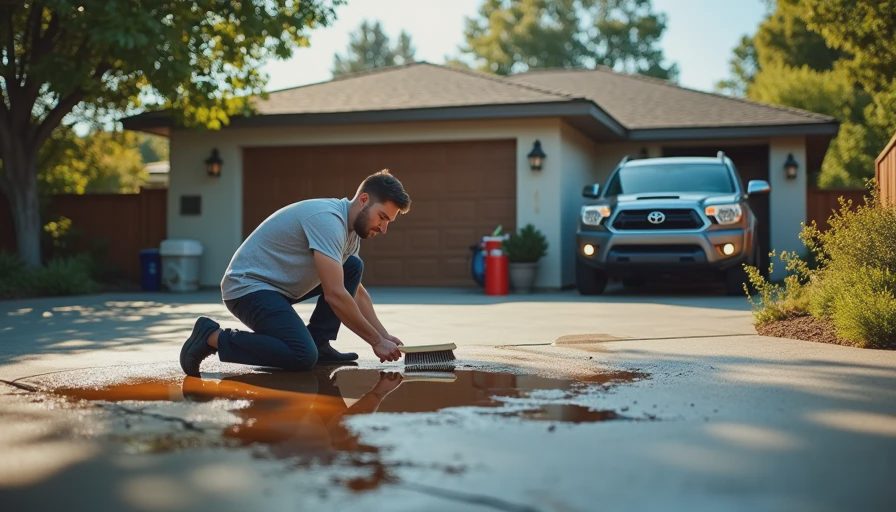
What to use on an old, dark garage stain
For old oil stain on cement removal, a poultice paste often works better than more scrubbing. You can buy a concrete oil stain remover such as Terminator-HSD or pull together a basic paste from an absorbent powder and a concrete-safe degreaser. The commercial product is easier and more predictable. Follow its instructions, spread it over the mark about one-eighth to one-quarter inch thick, and let it dry completely. Depending on the product and temperature, that can take 12 to 24 hours.
The drying step matters. As the poultice dries, it draws dissolved oil out of the slab and into the absorbent material. Do not cover it with plastic unless the label specifically calls for that; trapped moisture slows the process. Scrape the dry material up with a plastic tool, bag it, and inspect the concrete. A second application is reasonable for a heavy transmission-fluid mark.
I once tried to save time by applying degreaser and immediately coating a stubborn section with floor paint. Six months later, the paint lifted in dark flakes around the old contamination. The slab looked clean for a week, but oil was still migrating upward. That mistake taught me to judge the floor only after it has dried for at least 24 to 48 hours.
When pressure washing helps and when it hurts
A pressure washer can help after the oil has been loosened, but it is not a substitute for degreasing. A 2,000 to 3,000 PSI electric or gas washer can drive dirty water into wall joints, cracks, and expansion cuts if you start too close. Keep the nozzle moving, use a wide fan tip, and maintain at least 12 inches of distance until you know how the surface reacts.
For indoor garages, extraction is the real challenge. Pressure washing creates more wastewater than most homeowners expect. If you cannot collect it with a wet/dry vacuum, do not flood the floor. A stiff brush and controlled rinse are slower but safer for drywall, stored tools, and the house foundation. Never direct oily water toward a driveway drain or street gutter.
If the stain has penetrated deeply, the concrete is crumbling, or you plan to install a premium epoxy system, mechanical preparation may be necessary. A rental floor grinder or shot blaster can remove the contaminated surface, but these machines create dust and cost roughly $100 to $250 per day before diamond tooling. For one small stain, a poultice is usually the better first move.
Preparing the floor for paint or epoxy
Oil stain on cement removal is not finished just because the dark color has faded. If you plan to coat the floor, perform a simple water test. Pour a small puddle over the cleaned area and an unaffected section. If both absorb water at a similar rate, the surface is probably ready for the next preparation step. If water beads on the stained area or the concrete darkens unevenly, clean again and let it dry longer.
Use a concrete moisture test if you are installing a two-part epoxy system. Read the coating manufacturer's limits, then follow its preparation instructions, including etching or mechanical profiling. Acid etching can remove mineral residue, but it will not reliably remove deep oil. Do not assume a shiny, dry-looking floor is bond-ready.
For a basic garage refresh, a penetrating concrete sealer can be more forgiving than paint. For a workshop with rolling tool chests, jacks, and welding equipment, a properly prepared commercial epoxy or polyurea system offers better resistance. Product and labor costs commonly range from about $2 to $7 per square foot, depending on repairs, chips, flakes, and the coating system.
A practical checklist before you call it done
Check the floor with your hand after it dries. It should not feel greasy, tacky, or powdery. Wipe the spot with a white rag; a light gray mark is normal on unfinished concrete, but a translucent oily mark means more cleaning is needed. Walk across it in clean shoes and confirm there is no slippery residue.
Give the slab a full day or two to dry after the last rinse. Move cardboard boxes, lumber, and stored chemicals away from the work area so they do not absorb moisture or cleaner. If the stain is near a wall, inspect the bottom plate and drywall for wicking. A garage floor cannot be fixed properly while a leaking mower, car, or hydraulic jack continues adding oil.
The smartest oil stain on cement removal plan is patient and controlled: absorb first, degrease second, extract the dirty water, then use a poultice for the residue that remains. I have screwed this up so you do not have to. Once the slab is clean and dry, you can decide whether it needs a sealer, a coating, or simply a better drip pan under the vehicle. Back to the bench.