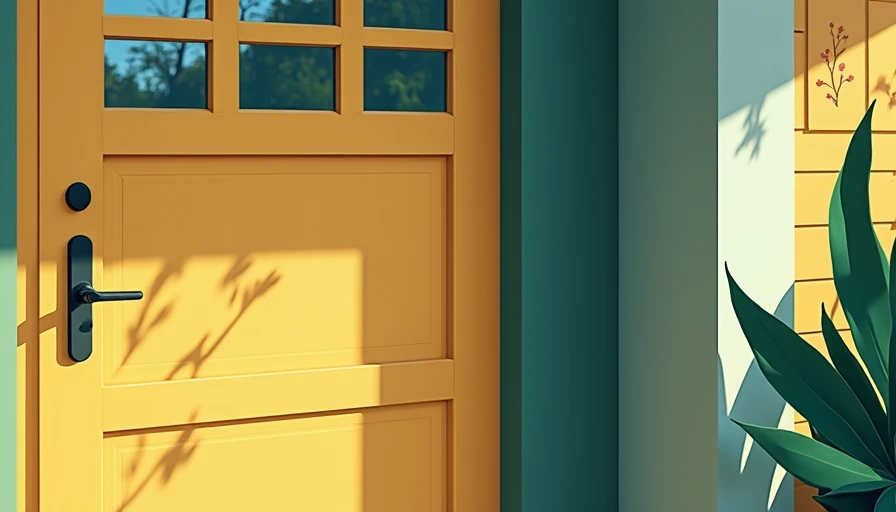
A garage door with side windows can change a dark, unpleasant garage into a space you can actually use. I have seen this upgrade brighten workshops, make attached garages feel less like storage caves, and improve the front of a house without replacing the entire exterior. The trick is choosing the right window position, glass, insulation, and door construction before the order goes in.
I learned that the hard way on my own garage. I ordered a door with plain clear glass because I wanted maximum daylight. Six months later, the afternoon sun turned the workbench into an oven, and every neighbor could see exactly which tools I had hanging on the wall. I've screwed this up so you don't have to.
Why side windows are worth considering
The obvious advantage is daylight. A typical attached garage has one small side window, if it has any window at all. Windows built into the overhead door spread light across the entire opening. With four narrow lites across the top section, I can often work without turning on the fluorescent fixtures during the day.
That light is useful for more than appearance. It helps you read labels, spot oil drips, inspect a vehicle, and find a dropped screw on the floor. If your garage doubles as a gym, hobby room, or woodworking area, the difference is substantial. A garage door with side windows also gives the front elevation more detail than a completely solid steel panel.
Still, windows are not automatically an upgrade in every location. A west-facing garage can collect serious heat in July. A door facing a sidewalk can sacrifice privacy. Before ordering, stand inside the garage at the time of day when the sun hits the opening. That quick test tells you more than a showroom display.
Choosing the window layout and glass
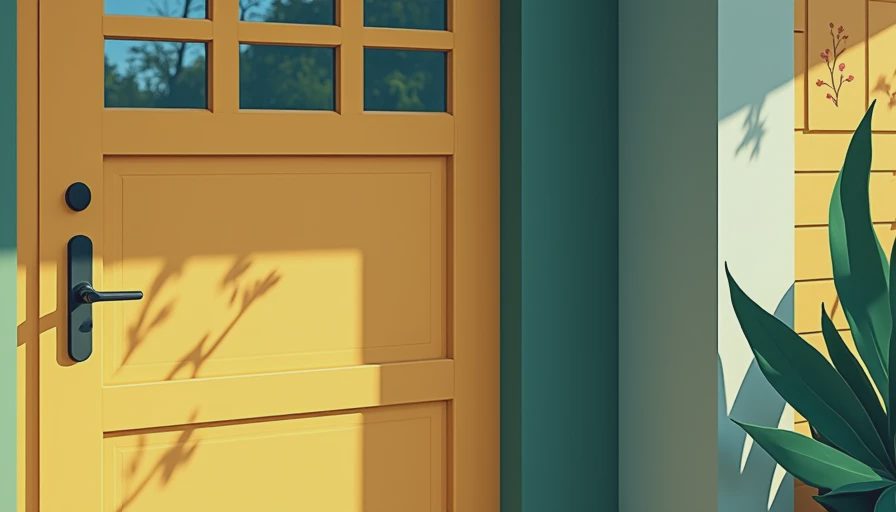
Window placement affects both the look and the function of the door. The traditional choice is a row of windows in the top section. This keeps the glass high enough for privacy while preserving a clean, balanced appearance. Full-view sections bring in more light, but they also expose more of the garage and usually cost more.
For most homes, insulated glass is the sensible middle ground. It consists of two panes separated by a sealed air space, helping reduce heat transfer and outside noise. Single-pane glass is cheaper, but it can feel cold in winter and hot in summer. If the garage is connected to bedrooms or a living room, insulated glass is worth the added price.
Clear glass gives the most daylight, but frosted, obscure, or tinted glass is easier to live with near a driveway or street. A garage door with side windows using obscure glass can let in useful light without displaying your lawn mower, compressor, or motorcycle to everyone walking past. Decorative grilles can add a carriage-house appearance, although they collect dust and need occasional cleaning.
Ask whether the glass is tempered. Garage-door window panels are vulnerable to impact from a basketball, ladder, or wayward board. Tempered glass is designed to break into smaller pieces rather than long sharp shards. It is not indestructible, but it is the safer specification for an active garage.
Match the door to the garage itself
Do not select windows before checking the rest of the door. A lightweight, uninsulated door may be fine for a detached storage garage, but an attached garage usually benefits from an insulated steel door. Common choices include polystyrene-backed panels and thicker polyurethane-insulated panels. Polyurethane generally provides better insulation in a similar panel thickness and can make the door feel more solid when it operates.
Measure the opening, not the old door panel. Record the width, height, headroom above the opening, side clearance, and the depth of the backroom where the opener rail sits. A standard 16-by-7-foot opening is common, but older homes often have odd dimensions or framing that has shifted over time. A new garage door with side windows will not solve a low-headroom problem or a damaged header.
Look closely at the tracks, rollers, hinges, and springs. If the existing rollers rattle like a bucket of bolts, replacing only the visible door will leave you disappointed. Nylon rollers with sealed bearings are quieter than basic steel rollers, and a properly balanced spring system protects the opener. Spring work is not a casual weekend adjustment; the stored energy can cause serious injury.
Cost, installation, and energy questions
For a typical single-car door, adding windows can increase the door price by roughly $150 to $600, depending on the manufacturer, glass, decorative design, and insulation level. A two-car door with upgraded glass and a higher-end finish can add several hundred dollars more. Complete installed replacements commonly land in the low thousands, with unusual framing, disposal, and opener work pushing the total higher.
Get an itemized quote. It should separate the door, window package, tracks, springs, labor, haul-away, trim, and opener. Some installers advertise a low base price and add charges for insulated panels, obscure glass, reinforcement, or removal after measuring the opening. A written quote prevents that conversation at the end of the job.
A garage door with side windows is not a substitute for insulating the walls and ceiling. If the garage is always several degrees from outdoor temperature, start with air sealing around the door perimeter and the shared wall. New weatherstripping, a bottom seal, and insulated windows improve comfort, but they cannot overcome an uninsulated ceiling under a hot attic.

Security, privacy, and maintenance
Windows introduce a visibility question that solid doors avoid. At night, a lit garage can act like a display case. Frosted or seeded glass helps, and interior shades designed for garage-door windows offer another option. Keep high-value tools out of direct view regardless of the glass choice. A window is not a security system.
Check the window seals once or twice a year. Look for fogging between insulated panes, cracked plastic frames, loose grille inserts, and water marks on the inside of the panel. Fogging usually means the insulated-glass seal has failed; replacing the individual insert is often cheaper than replacing the entire door section.
Wash the windows with mild soap and water rather than abrasive cleaner. Lubricate the hinges and rollers according to the door maker's instructions, and test the opener's automatic reverse feature monthly. Place a piece of scrap lumber under the closing door; it should reverse when it contacts the obstruction. Never remove a window section or adjust torsion springs while the door is under tension.
My practical buying checklist
Start by deciding what the garage is for. If it is a basic parking and storage space, top-row obscure glass is usually enough. If you are building a workshop, prioritize insulated panels, durable hardware, and window placement that does not put glare directly over the bench. If privacy is the concern, skip clear glass even if it looks attractive in the showroom.
Then compare at least two door systems with the same specifications. Ask for the panel thickness, insulation type, glass construction, warranty coverage, and expected lead time. Check that the installer will dispose of the old door and tune the opener after installation. A reputable crew should inspect the framing and explain any required repairs before removing the existing system.
Finally, view a garage door with side windows from the street and from inside the garage. The exterior view determines curb appeal; the interior view determines glare, privacy, and usable daylight. That five-minute inspection can prevent an expensive mismatch.
A well-specified door is one of the few garage improvements that affects appearance, comfort, and daily use at the same time. Choose the glass for your actual sun exposure, not the showroom lighting, and spend money on insulation and hardware before decorative extras. Do that, and the upgrade should serve the garage for years instead of becoming another project on the bench.
Back to the bench.