The Education of a Garage Remodeler
When I started remodeling homes 18 years ago, I thought garage storage was simple. Just put up some shelves and call it a day.
Boy, was I wrong.
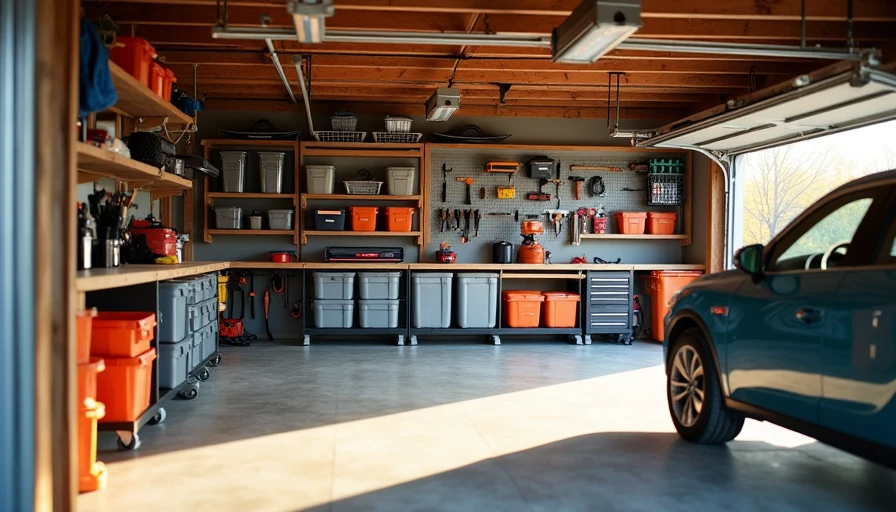
After transforming more than 40 attached garages — turning cluttered parking spots into functional workshops, gyms, and organized storage spaces — I’ve developed some strong opinions about what works and what doesn’t.
These aren’t theories from weekend projects. These are lessons forged through real client garages, real failures, and real successes.
I’ve screwed this up so you don’t have to.
The Biggest Mistake Homeowners Make
Most people focus on buying storage solutions before understanding how they actually use their garage. They see a fancy wall system on YouTube and install it without measuring their workflow or future needs.
Result? Expensive systems that don’t fit their lifestyle and end up half-used or abandoned.
The garages that work best are the ones where storage was planned around actual habits, not magazine-perfect aesthetics.
Lesson 1: Vertical Space Is Gold
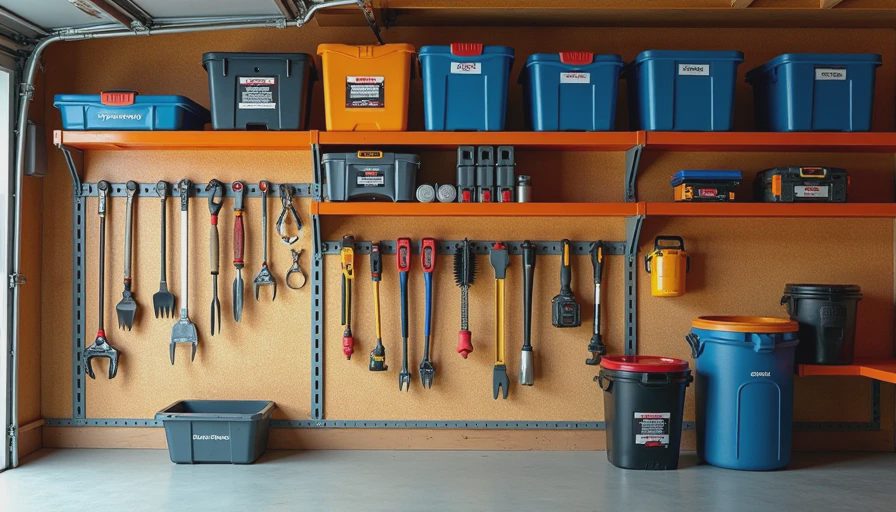
The most underutilized real estate in any garage is up high. I now start every project by looking at the ceiling and upper walls.
Overhead storage racks, when properly installed into ceiling joists, can hold hundreds of pounds of seasonal items, holiday decorations, and lumber. Just make sure you calculate the weight properly and use adequate supports.
One of my favorite upgrades is combining wall storage with ceiling racks. Suddenly you’ve doubled your usable space without losing floor area.
Lesson 2: Zone Your Garage Like a Pro
The best organized garages have clear zones:
Daily Use Zone (waist to eye level): Frequently used tools, power equipment, garden gear
Seasonal Storage Zone (high and deep): Holiday decorations, camping gear, winter tires
Project Zone: Open bench space and nearby tool storage
Bulk Storage Zone: Paint, automotive fluids, lumber (carefully)
When everything has a logical home, the garage stays organized longer.
What Storage Systems Actually Last
After 18 years, here’s my field-tested ranking:
French cleats and heavy slatwall for walls — flexible and strong.
Commercial-grade overhead racks when properly installed.
Heavy duty shelving units on the floor for bulky items.
Custom cabinets for dust-sensitive tools and supplies.
The cheap big-box plastic shelving? It often sags or collapses under real loads. I’ve replaced plenty of it.
Real Client Transformations
One family had a garage so packed they couldn’t park their cars. We installed a combination of overhead racks, French cleat tool storage, and zoned shelving. Six months later they told me they actually enjoy spending time in the garage now. The kids even started helping with projects.
Another client — a serious home gym enthusiast — needed storage that wouldn’t interfere with workout space. Strategic wall and ceiling solutions let him keep all his equipment accessible while maintaining open floor area for lifting.
The common thread in successful projects? We planned storage around how they actually lived, not how they thought they should live.
Budget-Friendly Wins
You don’t need to spend thousands to get organized. Some of the best solutions I’ve implemented were surprisingly affordable:
DIY French cleats from dimensional lumber
Repurposed kitchen cabinets mounted high
Simple 2x4 and plywood shelves
Pegboard for small items
The key is investing in quality where it counts (heavy duty hooks, proper fasteners) and saving money on the rest.
Common Garage Storage Sins I See on Every Job
Storing everything on the floor
Using systems that aren’t anchored properly
Ignoring weight limits
No plan for future expansion
Blocking windows or electrical panels
Storing hazardous materials unsafely
Avoid these and you’re already ahead of most homeowners.
Planning for Your Future Garage
When I design storage now, I think five to ten years ahead. What tools might you add? Will kids be using the space? Do you plan to age in place?
The best storage systems are adaptable. That’s why I love modular solutions like French cleats and adjustable shelving.
The Emotional Payoff
There’s something deeply satisfying about pulling into a clean, organized garage where everything has a home. Clients regularly tell me it reduces their stress and increases their enjoyment of home projects.
A well-organized garage doesn’t just save space — it saves time, money, and mental energy.
Putting It All Together
After 18 years, my core philosophy is simple: understand your needs first, then choose storage solutions that match your real life, not someone else’s Pinterest board.
Measure twice, install once. Prioritize strength and accessibility. Plan for the long term.
Your garage can be so much more than just parking. With smart storage, it becomes one of the most useful spaces in your home.
Final Thoughts From the Field
The lessons I’ve learned through hundreds of garage projects boil down to this: respect the space, plan thoughtfully, and build systems that work with your lifestyle.
I’ve screwed this up so you don’t have to. Now go make your garage work for you instead of against you.
Back to the bench.