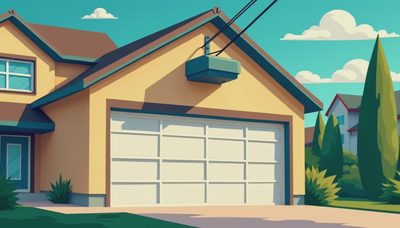
If you're trying to pick the best insulation for garage walls, don't start with the cheapest roll on the shelf. Start with how the garage is used. A parking bay that stays cold all winter can get by with one approach. A workshop with a heater, a fridge, a chest freezer, and tools you want to touch without gloves needs a different wall assembly. In Ohio, I've torn out enough half-done garages to know that air sealing matters almost as much as R-value. Insulation that leaves gaps around plates, outlets, and top plates won't save much money, no matter what the package says. I've screwed this up so you don't have to.
The best insulation for garage walls depends on how you use the space
If the garage is just a storage box with a car in it, fiberglass batts still make sense because they're cheap and easy. If it's a shop or a home gym, I'd spend more on a tighter assembly and better air sealing. The best insulation for garage walls is the one that matches the temperature you want to hold and the moisture you need to keep out. That means thinking about wall framing, local climate, and whether the wall is shared with living space or an exterior wall.
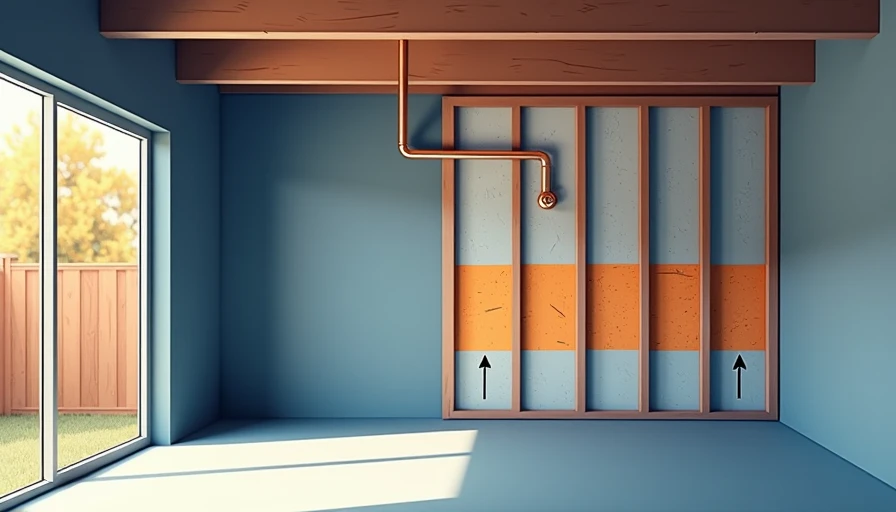
For an attached garage, I like to think in three layers: stop air leaks, fill the cavity, then cover it with the right finish layer. The insulation is only one part of the job. A lot of garages that feel icy in January aren't failing because the batt is bad; they're failing because the rim joist, attic bypasses, and door seals are leaking like a sieve. If the wall borders the house, drywall stays in the plan, and I want the whole assembly to be tidy before I close it up.
Fiberglass batts, mineral wool, and where each one shines
Fiberglass batts are still the budget play. For 2x4 walls, unfaced R-13 batts often run about 50 cents to $1.50 per square foot installed if you're doing the labor yourself, and they're easy to cut around wiring. The catch is fit. If you stuff them in crooked, leave voids, or compress them behind a crowded wall, performance drops fast. Faced batts can work in some garage walls, but I don't like relying on paper facing for a space that tends to get humid and dirty.
Mineral wool costs more, usually around $1.50 to $2.50 per square foot for the material, but it handles moisture better and stays put between studs. It also fills irregular framing better than fiberglass and gives you a little sound control, which matters if the garage door opener and compressor live in the same box. For a DIYer, mineral wool is often the sweet spot because it is forgiving and doesn't slump. If you asked me for the best insulation for garage walls in a typical Midwestern attached garage, mineral wool is usually the first thing I'd price out.
Closed-cell spray foam and rigid foam when you need more than a batt
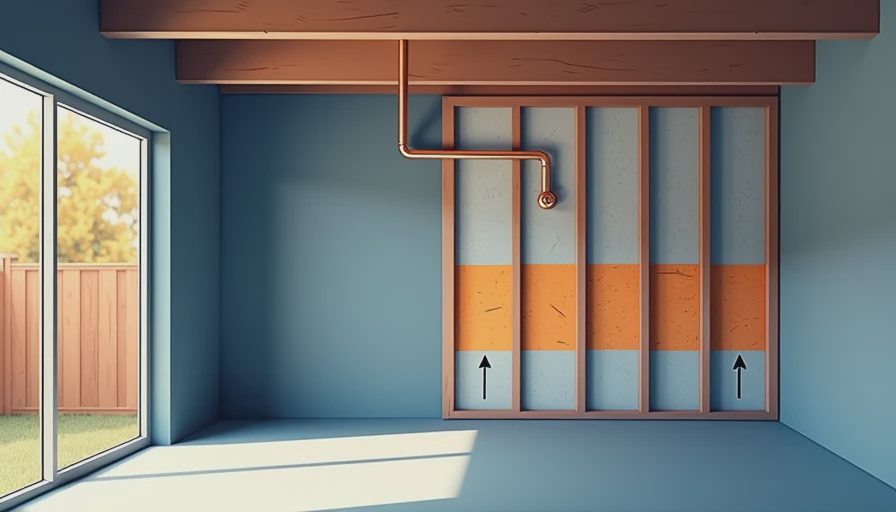
Closed-cell spray foam is the heavyweight option. It costs more, often $2 to $6 per square foot installed depending on thickness and access, but it air seals while it insulates. That matters on walls with lots of penetrations, old framing, or limited cavity depth. I use it when I want the wall to stay warm and dry with less fuss. It also adds some racking strength to older walls, which is a nice side benefit. The downside is price. If you don't need that level of performance, it can chew through your budget fast.
Rigid foam board is another smart move when the wall needs continuous insulation or you want to improve an underinsulated masonry wall. Polyiso, EPS, and XPS each have their place. On framed walls, rigid foam can go over sheathing before siding, or inside as part of a layered assembly if you detail the seams and cover it properly. On a garage wall, don't leave foam exposed. Most assemblies still need drywall or another approved thermal barrier. For a lot of homeowners, the right answer is a hybrid: batts in the cavity, foam at problem spots, and good air sealing everywhere else.
How I insulate a garage wall so it actually performs
I start by sealing the obvious leaks. Bottom plates, top plates, electrical boxes, gaps at hose bibs, and the seam where the garage meets the house all get attention before any insulation goes in. A bead of caulk or low-expansion spray foam in the right place can do more for comfort than another half-inch of fluffy material. Then I check the cavity depth. A 2x4 wall should get full-depth batt or foam, not a compressed oversized piece crammed into place. A 2x6 wall gives you more options, and that extra depth matters if you plan to heat the space.
After that, I think about the finish. Drywall is still the common answer because it protects the insulation and helps meet fire separation needs on attached garages. If the wall is getting shelves, track systems, or a workbench, I plan those penetrations before the wall is closed. You do not want to cut up a finished wall later because a shelf bracket landed on a stud bay you already insulated and sealed. A little planning here saves a lot of cursing later.

The mistakes I see most often and what I'd choose first
The first mistake is buying insulation before fixing the air leaks. The second is ignoring the garage door, which often leaks more heat than the wall does. The third is choosing a material because it was on sale, then installing it badly. I have pulled out soggy fiberglass batts that looked fine from the package but were sagging behind the drywall after one Ohio winter. I've also seen spray foam jobs where the installer skipped the rim joist and left the owner with cold corners anyway.
If the garage is a simple storage space and the budget is tight, fiberglass batts with careful air sealing are fine. If the garage is a workshop or you want it noticeably more comfortable, mineral wool is a strong all-around choice. If you're fighting drafts, moisture, or a space that needs serious thermal control, closed-cell spray foam earns its keep. That is usually the best insulation for garage walls when the garage matters as a real part of the house, not just a place to park.
If you want the short version, I would spend first on air sealing, second on wall insulation, and third on the garage door. That order fixes the most problems per dollar. That's the kind of job that pays back every winter, and it's the kind of project I keep coming back to in my own garage. I've screwed this up so you don't have to. Back to the bench.