The Cheap Way to Insulate Garage Ceiling: 6 Budget Options
If your garage ceiling is open trusses with bare roof decking, you already know the problem: winter cold pours down, summer heat bakes the room. I've insulated more than a dozen garages like this, and the cheap way to insulate garage ceiling isn't one magic product. It's picking the right material for your situation and installing it right. This guide covers the budget options that actually hold up, the costs per square foot, and the mistakes I've made so you don't have to.
Why the ceiling is different from the walls
Garage walls trap heat against the slab, but the ceiling is where you lose most of it. Hot air rises, and if your garage has living space above or an attic above the roof, that heat is leaving through every gap. In my own garage, I started with the walls first and still saw the temperature swing until I did the ceiling. The fix is simple: create a continuous thermal barrier across the joists. You don't need drywall to do it, and you don't need a contractor.
Option 1: Fiberglass batts — the classic budget fix
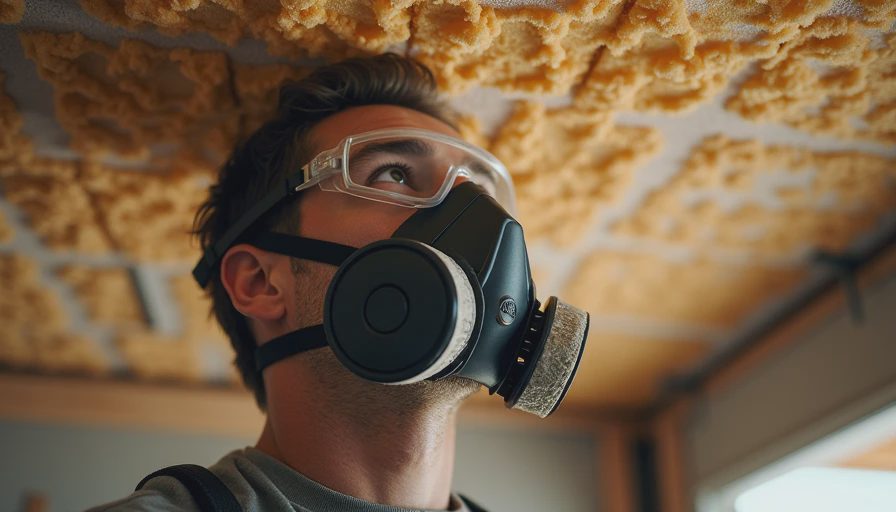
Fiberglass insulation is the cheapest material per square foot. You can buy unfaced batts at any big-box store for about $0.40 to $0.80 per square foot. For a typical 20x20 garage, that's around $200 to $300 for the ceiling. Faced batts cost a little more, and if you use them, put the paper side facing the heated space. But in a garage ceiling I usually reach for unfaced so moisture can escape. Lay the batts between the ceiling joists and friction-fit them, then wear gloves and a respirator — the itch is real.
I've used this in three garages, including a client's shop where the cost mattered more than the R-value. It works, but only if the batts fit tight. Gaps are like leaving a window open. Cut them half an inch wider than the cavity so they friction-fit. Do not stuff them so tight you compress the fiber — that kills the R-value.
Option 2: Reflective foil radiant barrier
If you want a cheap way to insulate garage ceiling without the mess of fiberglass, a radiant barrier is a solid second pick. Rolls of foil-faced bubble wrap or foil laminated to craft paper run about $0.50 to $1.00 per square foot. You staple it across the underside of the rafters, shiny side facing down. It reflects radiant heat back into the garage in winter and blocks the sun's heat in summer. I've used Reflectix in my own garage ceiling over the top of fiberglass, and it made a noticeable difference in the summer.
The catch: radiant barriers only work when there's an air gap on the shiny side. Don't lay it tight against the drywall or the roof deck. Staple it carefully and leave a few inches of open air. It's not a complete thermal barrier on its own, so the smart play is to use it as a complement to batts, not a replacement.
Option 3: Rigid foam panels between the joists
Rigid foam board is another budget-friendly garage ceiling option, especially if you want a clean surface without hanging drywall. A 1-inch sheet of EPS or XPS costs about $1 to $2 per square foot. Cut the panels slightly smaller than the joist cavity and friction-fit them, then spray foam the edges to close the gaps. Rigid foam gives you R-4 to R-5 per inch, and it's easy to work with. I've used this in a friend's detached garage where he wanted to add a little R-value before putting up OSB.
The downside is fire safety. Most building departments require exposed rigid foam in a garage to be covered with gypsum or another thermal barrier. Check the local code before you cover the whole ceiling in foam board. If you don't want to drywall, you can also sandwich the foam between the joists and use plywood or steel as a finished surface.
What about spray foam or blown-in?
Spray foam is the most effective option, but it's not the cheap way to insulate garage ceiling. A do-it-yourself kit costs $300 to $500 and covers only about 200 board feet. Blown-in cellulose is cheaper per square foot, but you need a rental machine and a helper, and it has to be contained. For most homeowners, fiberglass and a radiant barrier will do 80 percent of the job for less than half the cost. If your garage is attached and shares a wall with the house, make sure the house side is sealed and insulated properly before you spend money on the garage ceiling.
Mistakes I've made so you don't repeat them
I've screwed this up so you don't have to. First, don't cover recessed lights or junction boxes with insulation unless the fixtures are rated for direct contact. I've seen plenty of overheated fixtures. Second, don't forget the gaps around the garage door header and the wall top plate — seal those with caulk or foam before you insulate. Third, if you're using faced batts, don't double up the vapor barrier. One layer is enough; a second layer traps moisture. Fourth, never compress insulation around wiring or ducts. That's how you get a cold spot and a potential fire hazard.
The bottom line
If you're asking for the cheap way to insulate garage ceiling, my answer is simple: use unfaced fiberglass batts between the joists, add a radiant barrier over the top if the budget allows, and seal every gap before you close it up. That combination costs roughly $200 to $400 for a standard two-car garage and takes a weekend to install. It won't give you the R-value of spray foam, but it will make the garage comfortable, cut your energy bill, and keep your tools from rusting. Start with the ceiling, do it right, and you'll finally have a workspace you want to spend time in. Back to the bench.