If you're shopping for epoxy for outdoor use, slow down before you grab the same kit you'd use on an indoor garage floor. I sold myself that bill of goods once and had a yellow, peeling patch on my driveway by the end of summer. Outdoor concrete lives through UV rays, standing water, road salt, and freeze-thaw cycles. A product that's fine in a climate-controlled garage can turn chalky and brittle outside in one season. So what actually works? I've coated, torn out, and recoated more slabs than I can count, and the lesson is simple: the product matters, but prep and expectations matter more.
What Makes Epoxy for Outdoor Use Different
Standard garage epoxy is designed for indoor conditions. It's tough against tire wear and hot-tire pickup, but it often lacks UV stabilizers. Leave it in direct sun and the top layer oxidizes, yellows, and becomes brittle. Then moisture vapor from the soil pushes up through the concrete, and you get blisters that look like measles. The best epoxy for outdoor use has UV-resistant resins, higher solids content, and a topcoat that blocks moisture. I've seen a water-based product fail within six months on an exposed patio, and I've seen a two-part solvent-based system hold up for years on the same type of slab. The difference is in the chemistry, not the brand sticker.
Prep Is 90% of the Job
Before any epoxy for outdoor use goes down, the concrete has to be clean, dry, and roughed up. I pressure wash the slab, let it dry for two or three warm days, then etch it with a phosphoric acid product or run a grinder over it. Some homeowners skip etching because it's work. That's the reason their coating peels. I also fill cracks with a flexible concrete patch and test for moisture by taping a plastic square to the floor overnight. If water beads under it, the slab isn't ready. That test has saved me from coating a wet driveway more than once.
Product Types: Which One Belongs on Your Patio or Driveway
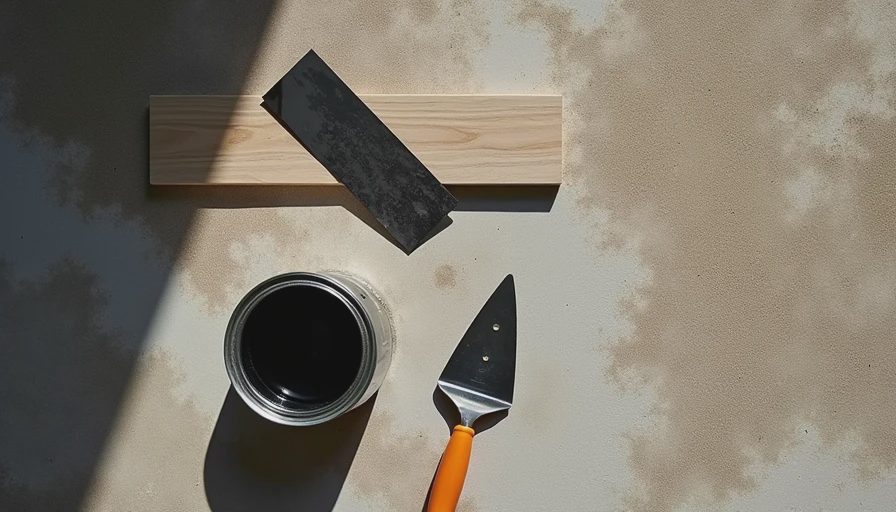
For covered patios and shaded walkways, a good two-part water-based epoxy like Rust-Oleum EpoxyShield will get the job done. It's easy to apply, cleans up with soap and water, and costs about $70 for a two-car garage kit. But for a fully exposed driveway, I reach for a 100% solids epoxy or a two-part coating sold specifically for exterior concrete. BEHR Premium's wet-look sealer is a decent budget option for patios, though it needs yearly touch-up. If I'm coating a slab that gets tire traffic and road salt, I want a product with a matching polyurea or polyaspartic topcoat. That combo handles UV and freeze-thaw better than anything straight epoxy can do on its own. Check the label for exterior-rated or UV-stable wording when the slab sees direct sun.
Cost of Epoxy for Outdoor Use
What does an epoxy for outdoor use actually cost in central Ohio? DIY kits start around $60 to $80 and cover about 250 square feet. A higher-end 100% solids system runs $150 to $250 with the same coverage. If you pay a contractor, expect anywhere from $3 to $7 per square foot for prep, material, and two coats. That sounds steep until a failed DIY job costs you a weekend plus the product. My rule of thumb: spend more on material and less on fancy applicators. Prep materials and etching acid add another $20 to $30. A cheap roller and a decent brush are all you need if you spread it thin and keep a wet edge.
Application Steps That Save You From a Do-Over
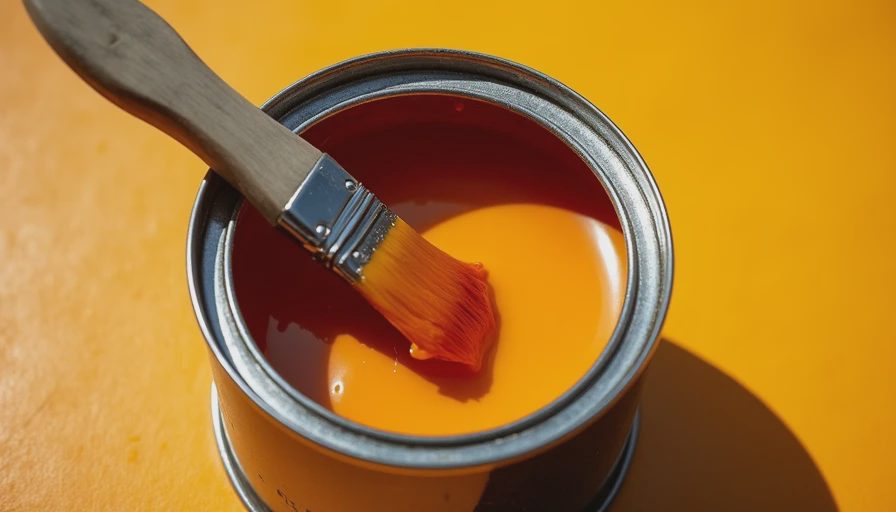
Do this work when the forecast is dry and the temperature stays above 60 degrees for three days. Cold epoxy gets thick and won't self-level. Mix each batch in a five-gallon bucket with a paddle drill, then pour it in a ribbon and spread it with a squeegee. Follow with a back-roll using a 3/8-inch nap roller to pull air bubbles out. Two thin coats beat one thick coat every time. After the second coat, keep foot traffic off for at least 24 hours and vehicles off for a full week. I've screwed this up so you don't have to: I parked my truck on a fresh coat after four days and still have the tire tracks to prove it.
When to Skip Epoxy and Use Polyaspartic Instead
If your slab gets hammered by afternoon sun, a plain epoxy topcoat will chalk even when the base is solid. That's when I switch to a polyaspartic topcoat, which cures fast, resists UV, and handles temperature swings better. Some projects are better with a completely different system. For a garage floor that opens to a driveway, I'll coat the driveway apron with epoxy and then seal the whole thing with polyaspartic. That combo has been my go-to for the last few seasonal cycles. It's not the cheapest route, but it's the one that doesn't leave you recoating every spring.
If you're planning to coat concrete outside, don't trust the label. Match the product to the real weather exposure, do the prep, and give it enough cure time. A coating that fits your slab will last for years, and the wrong shortcut will teach you a lesson you can feel in your wallet. Start with a moisture test and a clean slab. Back to the bench.