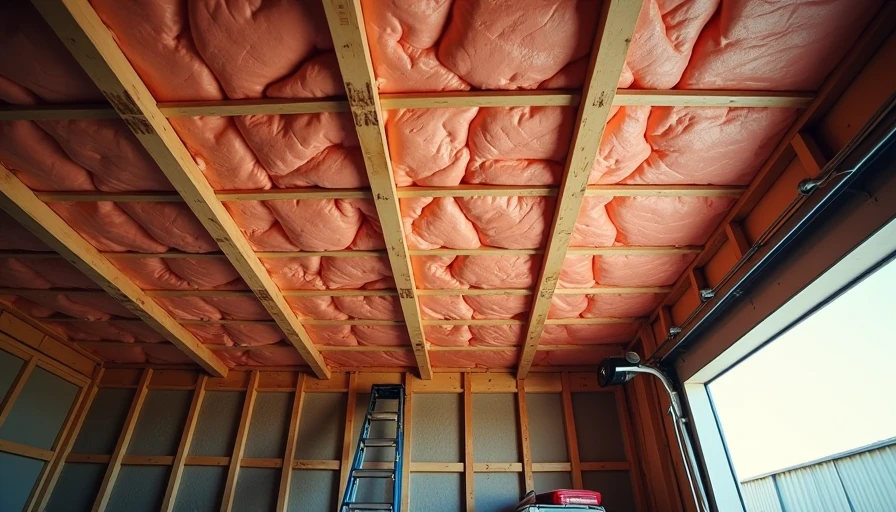
If you're thinking about exposed garage ceiling insulation, you're probably standing under open rafters, wondering whether to bury them behind drywall. I've insulated and finished dozens of attached garages in my 22 years as a remodeler, and I've found that leaving the ceiling open can look great and save money. It just takes the right material and installation. I've made plenty of mistakes so you don't have to.
Why Insulate the Garage Ceiling at All?
Your garage ceiling is the biggest hole in your home's thermal envelope. Warm air rises and escapes through uninsulated rafters all winter, driving up your heating bill. In summer, the roof radiates heat downward, turning your garage into a sauna. If your garage is attached, that temperature swing bleeds into the living space.
Insulation fixes that. It also keeps your tools and car battery happier by smoothing out temperature swings. And it cuts noise — rain on a metal roof, wind, and the whir of a table saw all get muffled. If there's a bedroom above the garage, you'll notice the difference every time someone opens the garage door.
That's reason enough to spend a weekend on the project.
Insulation Options for an Open Ceiling
For exposed garage ceiling insulation, you have three choices that hold up well when left visible: mineral wool batts, rigid foam, and closed-cell spray foam. Fiberglass batts work in a pinch, but they sag and look ragged unless you cover them.
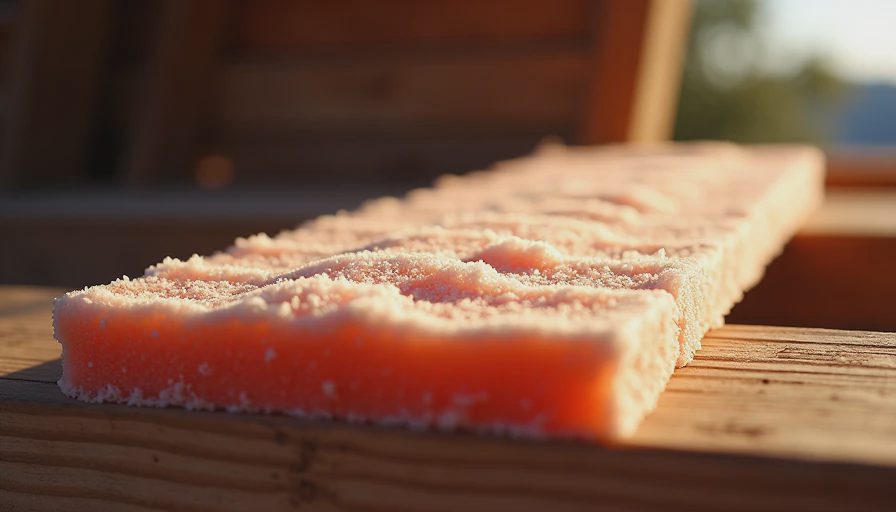
Mineral wool is my favorite. Rockwool batts are stiff enough to stay friction-fit between rafters, they're moisture resistant, and they're excellent sound absorbers. They also have a higher fire rating than fiberglass, which matters in a garage where you might grind or weld.
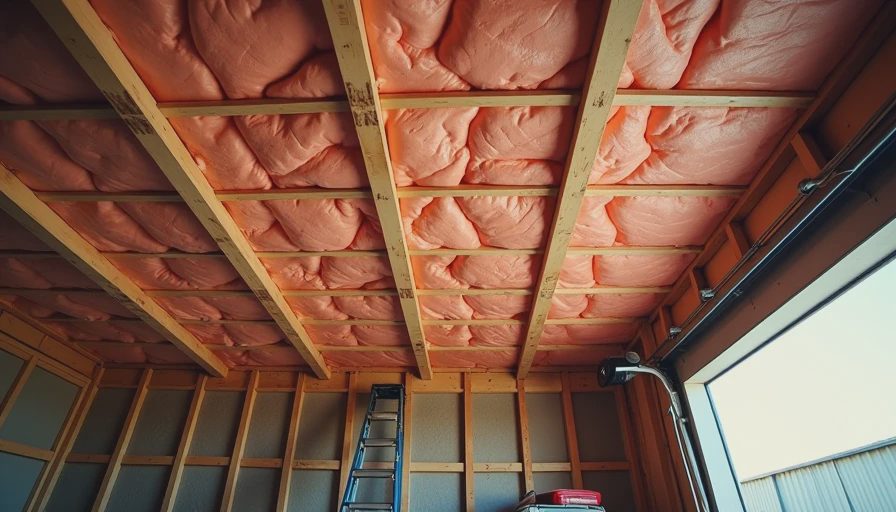
Rigid foam, like XPS or polyiso, gives you a smooth, clean surface. Cut it tight, wedge it between the rafters, and seal the edges with can foam. The downside is that it won't deaden sound the way mineral wool will.
Closed-cell spray foam is the high-end option. It seals every crack, adds strength, and delivers the best R-value per inch. It's also the most expensive, and you need to be absolutely sure about your wiring before you spray, because getting it off later is brutal.
How to Install Exposed Garage Ceiling Insulation
Start with a clean rafter bay. Air-seal every gap where wires, pipes, or vents pass through with fire-rated can foam. Then measure each bay individually — framing isn't perfectly square, and a half-inch gap will waste energy.
For mineral wool, cut each batt oversized and press it in so it's snug but not compressed. If you're using rigid foam, cut it tight, push it in, and foam the perimeter. Then add a vapor barrier on the warm side of the insulation. In a garage, that's the inside face. Staple a single layer of 6-mil poly sheeting to the bottom of the rafters and tape every seam. Skipping this step leads to condensation and mold inside the insulation.
The final move is making the ceiling look deliberate. Trim the poly so it's straight, staple it cleanly to the bottom edge of each rafter, and run a 2x4 or steel strap across the bottom to keep everything pressed up. I've also used galvanized wire across the bays when I wanted the insulation visible but supported.
Common Mistakes I've Made (and You Can Skip)
I once installed kraft-faced fiberglass in an open garage ceiling with no bottom support. Within a year, the batts sagged between the rafters, leaving cold spots and an eyesore. I tore it out and switched to mineral wool, which has stayed put for five years now.
Another mistake is ignoring the garage door. You can put R-30 in the ceiling, but if the door has gaps in its weatherstripping, all that heat still escapes. A $20 door bottom seal often does more than the insulation itself. Also, never compress batts to fit a shallow bay — you lose R-value when you squish insulation.
Cost and R-Value Real Talk
Mineral wool batts run about $1.75 to $2.50 per square foot, depending on R-value. Rigid foam runs a little less, around $1.25 to $1.75 per square foot, but you'll spend extra on tape and can foam. Closed-cell spray foam is the priciest, at $1.50 to $3.50 per board foot, and it's a professional job.
For most garages in the Midwest, I aim for R-30. That works out to roughly 10 inches of mineral wool. If your garage already has some insulation, add another layer on top rather than ripping out the old stuff. You can even reclaim batts from a drywall tear-out if they're clean and dry. But toss anything that's been soaked — the $50 you save isn't worth the mold.
Bottom Line
Exposed garage ceiling insulation is a project any decent DIYer can finish in a weekend. Pick a material that won't sag, air-seal every gap, put in a vapor barrier, and make the bottom edge look clean. You'll cut your heating bill, protect your tools, and turn your garage into a place you actually want to work in. Not sure what works in your climate? Walk into a real lumberyard and ask — they'll set you straight.
Back to the bench.