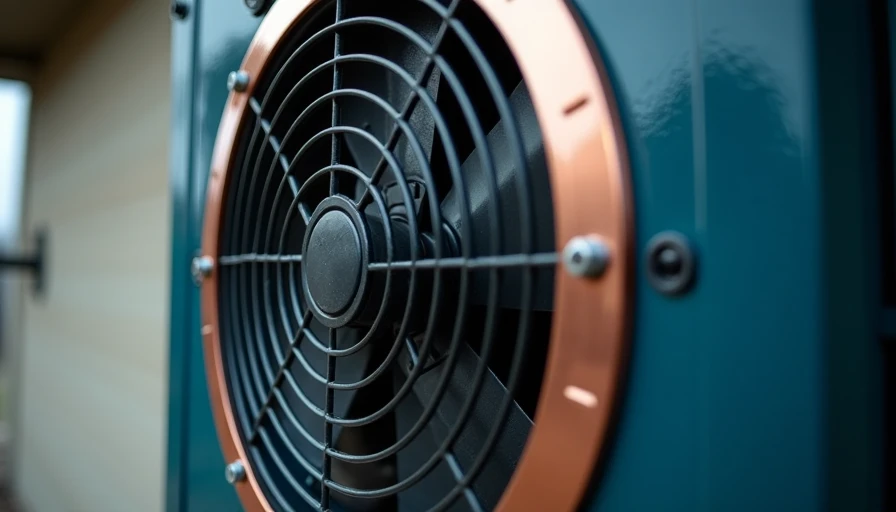
Here's the thing: I've been inside more than 40 attached garages as a remodeling contractor, and the first thing I add to a workshop build is a garage wall exhaust fan. A good one clears out paint fumes, exhaust smoke, and sawdust in minutes. It pulls heat out in the summer so you can actually work. And it keeps your house from smelling like the garage every time you open the door. In this guide, I'll show you how to size, mount, and wire one so you don't waste money on a fan that's too small or too loud.
What Size Fan Does Your Garage Actually Need?
Most people guess on the CFM, and that's my "I've screwed this up" moment. On my first garage, I hung a cheap bath vent fan and expected miracles. It moved maybe 50 cubic feet per minute, and my garage is about 20 by 22 feet with 8-foot walls. That's roughly 3,500 cubic feet of air. A bath fan would need an hour to cycle that once. Useless.
Here's the quick math: length times width times height gives you cubic feet. For general workshop ventilation, you want around six air changes per hour. Multiply the cubic feet by 6 and divide by 60 to get the CFM you need. A 400-square-foot garage with 8-foot ceilings is 3,200 cubic feet. Six changes per hour means about 320 CFM. I'd round up and buy a fan that does at least 400 CFM. If you're painting or running a car, double that. A 500 to 700 CFM fan covers almost any home garage.
The most common mistake I see is choosing a garage wall exhaust fan based on brand rather than CFM. A fan that moves 200 CFM just doesn't cut it for a two-car garage. I always tell homeowners to calculate the air volume first and buy the size that matches the math.
Where to Mount It So It Actually Moves Air
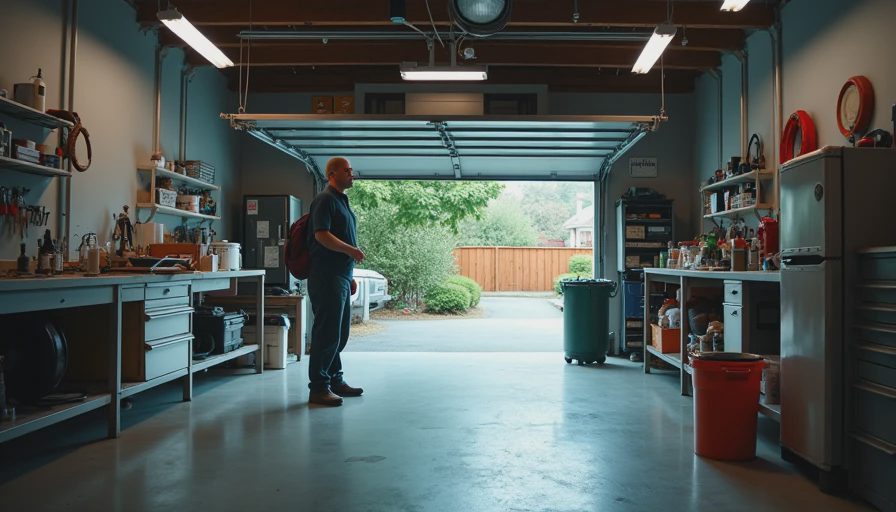
Height matters more than you'd think. Heat, fumes, and dust all rise, so mount the fan as high as practical on an exterior wall, near the ceiling but leaving room for the shutter. I usually set the top of the fan housing about a foot below the ceiling. Put it on the wall opposite your main overhead door if you can, so you get a cross-breeze when you crack the door. Avoid putting it right next to a workbench or car door, because you'll be standing directly in the airflow.
Where you put the fan matters, and a garage wall exhaust fan has to sit high on the wall. I once mounted one at shoulder height to reach the switch, and it only pulled dust off the floor. It took a weekend to move it and patch the drywall. Learn from that.
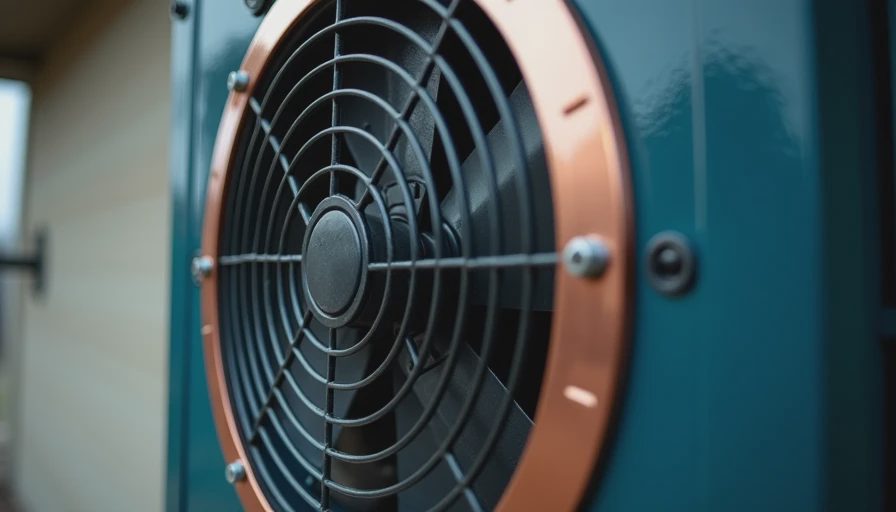
Use a fan with a built-in backdraft damper, or add one. Louvered shutters open when the fan runs and fall shut when it stops. That keeps cold air, rain, and bugs out. I've seen cheap fans with flimsy plastic louvers; skip those. Look for metal shutters and a closed-back housing so weather doesn't get into the motor.
Wiring It So You Don't Create a Fire Hazard
I'm not going to walk you through wire nuts on a live circuit. If you don't feel comfortable running a dedicated circuit, hire an electrician. The basics are simple: run 14/2 Romex on a 15-amp circuit, or 12/2 if the fan is big. Use a single-pole switch, or better yet, a timer switch so you don't leave it running all night. Most residential wall fans draw under 2 amps, so a standard switch is fine.
Check your local code for vent fan placement. In many areas, the fan outlet needs to be a certain distance from doors and windows, and the exterior louver must have a bird screen. If your garage is attached, keep the exhaust away from appliance vents. I always put the fan on a separate breaker from the garage door opener so one failure doesn't take out both.
Fans I've Tested in Real Garages
I only recommend gear I've owned for at least a season. For a garage wall exhaust fan, two names keep coming back. The Broan-NuTone 676 is a solid residential choice. It's rated around 500 CFM, runs quiet, and comes with a paintable steel housing and metal shutters. I've installed three in clients' garages and one in my own, and they've all held up through Ohio winters. The Air King 9025 is a bigger 20-inch industrial fan that moves closer to 1,400 CFM. That's overkill for most home garages, but if you're doing bodywork or spraying, it's the one I'd trust. Expect to pay $150 to $350 for a quality fan, and another $100 for wiring if you hire someone.
A Few Installation Mistakes to Skip
The biggest mistake is putting the fan too low, and I've already made that one for you. Another common one is using a bathroom or kitchen exhaust fan that isn't rated for oil, fumes, or outdoor exposure. Those burn out in a year. And don't skip the shutters. If you mount a fan without a backdraft damper, winter drafts will make your garage the coldest room in the house.
Finally, set it up on a timer. I use a mechanical timer switch so the fan runs for 15 minutes after a paint job and shuts itself off. That alone keeps my garage from smelling like turpentine for three days.
If you're tired of choking on gas fumes or sweating through summer projects, a garage wall exhaust fan is the single best upgrade you can make to a workshop. Pick one in the 500 to 700 CFM range, mount it high on the opposite wall from the main door, and wire it to a timer. I've screwed this up so you don't have to. Back to the bench.