If you're here because your concrete driveway or patio looks like a stained mess, I get it. I've screwed this up so you don't have to. The first time I used outdoor epoxy paint for concrete, I skipped the etch and had to tear it all out six months later. There's a right way and a cheap way, and they're not the same.
What Makes Outdoor Epoxy Paint for Concrete Different
Regular interior garage epoxy has no UV resistance. Leave it in sunlight and it chalks, fades, and gets brittle. That's why exterior concrete needs a product rated for outdoor use. Outdoor epoxy paint for concrete is formulated with UV-stable pigments and usually a higher solids content to handle temperature swings, rain, and sun. Some products are really a hybrid polyurea or polyaspartic coating — but true epoxy still works if you buy the right one.
Avoid the cheap water-based acrylic deck paints dressed up as epoxy. They're fine for a porch floor, but they won't hold up to car tires, salt, or thaw cycles. Look for a two-part, high-solids epoxy with a UV-resistant topcoat. That's the system that survives an Ohio winter.
The Prep Work Nobody Wants to Do
This is where most concrete coating projects go sideways. If the concrete has oil, grease, or dirt, the epoxy will lift. I've learned that the hard way with my own apron slab. Here's the sequence I use on every exterior job.
- Pressure wash the slab, then let it dry completely.
- Degrease any oil stains with a concrete cleaner or a product like Krud Kutter.
- Etch the surface with muriatic acid or a concrete etching solution. This opens up the pores so the epoxy can bite.
- Rinse everything thoroughly until the water runs clear.
- Patch cracks with a concrete repair compound and give it a full cure.
For an outdoor slab, check the porosity. Sprinkle water on the surface. If it beads up, you haven't etched enough. It should absorb like a sponge.
How Much Does Outdoor Epoxy Paint for Concrete Cost?
Let's talk dollars, because the price surprises a lot of homeowners. A decent two-part epoxy kit runs about $50 to $80 per gallon. For a two-car driveway, call it 400 square feet. Two coats means four to five gallons of material plus primer and a topcoat, so you're looking at $400 to $600 in materials if you stick with mid-grade products. The premium systems with the built-in UV topcoat run closer to $100 per gallon.
Labor is where you save. A pro will charge $3 to $7 per square foot for prep and coating. On that same 400-square-foot driveway, that's $1,200 to $2,800. Doing it yourself cuts the cost to just the materials and a long weekend of your life.
How to Apply Outdoor Epoxy Paint for Concrete Without Getting Ugly
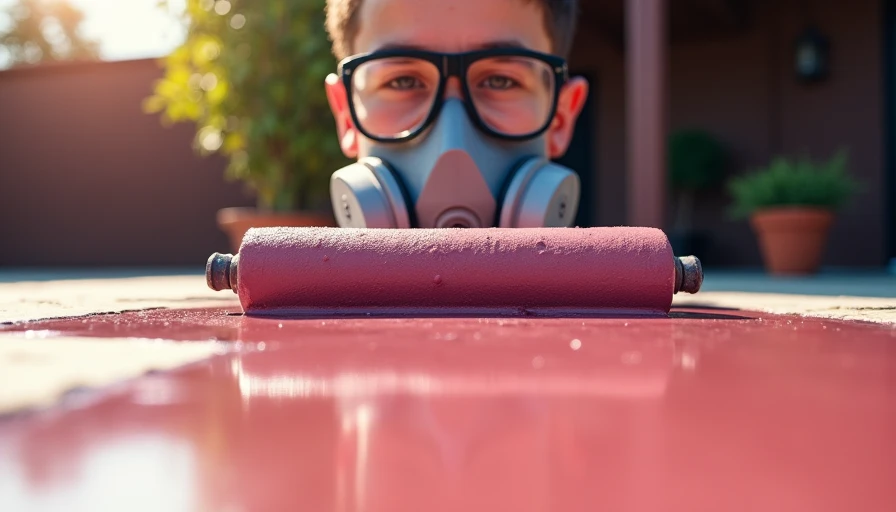
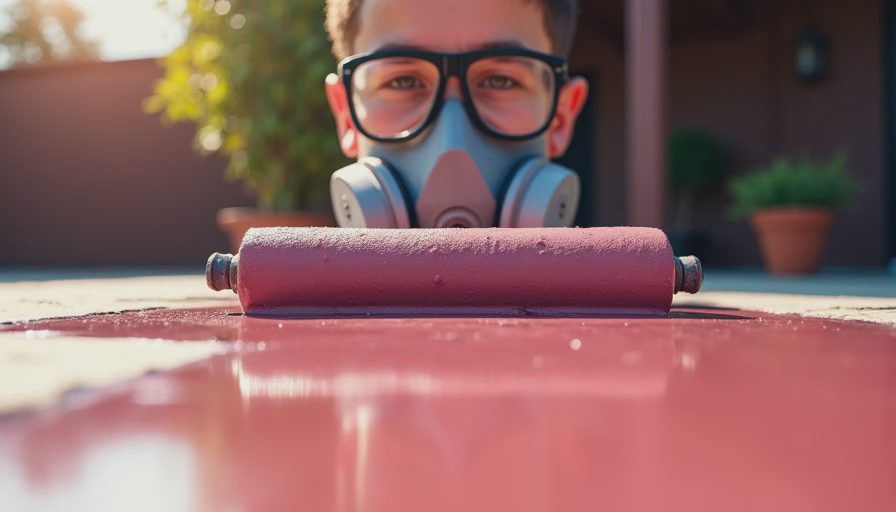
Use a squeegee and a roller, not just a brush. Roll on a thin, even coat and back-roll to work out air bubbles. Don't lay it on thick — epoxy self-levels, but thick spots trap solvent and bubble later.
Temperature matters. Most outdoor epoxy paint for concrete needs the surface between 50 and 85 degrees Fahrenheit. Below that, it thickens and won't cure right. Above that, it kicks off too fast. I once watched a driveway set up hard while I still had a roller full, so now I split the batch into smaller pots.
Wait 24 hours between coats. Keep cars off the surface for at least 72 hours, and the full chemical cure takes seven days. Even if you can walk on it, don't park on it for a week.
When to Skip This Entire Project
Honestly, outdoor epoxy paint for concrete isn't always the answer. If your slab has major spalling or cracks wider than 1/8 inch, paint is just a band-aid. Fix the structural problem first, or you'll be peeling paint within a year.
If you're in a climate with severe freeze-thaw cycles or you have a heated driveway, a polyaspartic coating handles movement better than true epoxy. It costs more — $4 to $8 per square foot professionally installed — but it flexes more and shrugs off UV like a champ. I'm not saying don't use epoxy. I'm saying know what you're getting into before you buy.
Quick Questions I Hear on Every Job
Can you use this on a broom-finished surface? Yes, but you still need to etch it. Broom finish gives epoxy a little extra grip, but it won't help if the surface is sealed or painted. Test porosity the same way.
Do you need a topcoat? If the epoxy you bought isn't rated for UV, then yes. A separate clear topcoat adds another $30 to $60 per gallon, but it's what keeps the color from fading in direct sun.
How long before rain? This stuff takes at least 12 hours to become dry to the touch, but I don't trust it until 24. Check the product data sheet, and pick a stretch of weather with no rain for at least that long.
The Bottom Line
If the concrete is sound, the prep is done, and you pick a two-part outdoor epoxy with a UV topcoat, you can get a driveway that looks sharp for five to eight years. It won't look as rich as a $8-per-square-foot polyaspartic job, but it'll cost a third of the price. And if you've got a garage apron that sees sun half the day, that's hard to argue with.
Pick a weekend with temps in the 60s, no rain in the forecast, and give yourself a full day for prep and a full morning for coating. Trust me — the cheap shortcuts don't cure better, they cure different. And that difference is why I tore out my first floor.
Back to the bench.