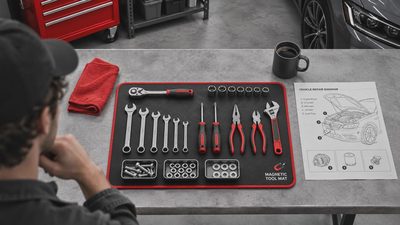
If you've priced a Snap-on ratchet, socket set, or diagnostic tool lately, you have probably asked, why is snap on so expensive? A 3/8-inch ratchet can cost several times more than a store-brand version, and a complete rolling cart can run into five figures. That price is not just a shiny truck and a famous logo. It comes from manufacturing, warranty support, tool-truck sales, professional use, and a business model built around keeping working technicians equipped.
I've spent more than two decades around garages, remodel crews, and people who are hard on tools. I also restore older hand tools, so I appreciate a well-made wrench while still asking whether the price earns its place on my bench. I've screwed this up so you don't have to: expensive does not automatically mean the best choice for every homeowner.
Why is snap on so expensive in the first place?
The short answer is that Snap-on sells professional tools through an expensive service model. A local franchisee brings the truck directly to repair shops, carries inventory, handles exchanges, and often lets technicians buy over time. That convenience is valuable to someone whose income depends on having a working 10-millimeter socket today. It is less valuable if your garage project involves changing oil twice a year.
Snap-on also designs for repeated daily use. A professional technician may use the same ratchet hundreds of times each week, often in tight engine bays where a little extra swing clearance matters. The company spends money on chrome quality, heat treatment, tolerances, handle design, and specialized mechanisms. None of that makes a basic socket magically repair a car faster, but it can make a difficult job less frustrating after years of use.
The tool truck itself adds cost. A franchise owner has a vehicle, fuel, inventory, insurance, financing costs, and time tied up in weekly shop visits. Those overhead expenses are built into the price. Buying from a big-box shelf or online warehouse is a cheaper distribution path, but it does not put a replacement ratchet in front of a technician during a lunch break.
What are you actually paying for?
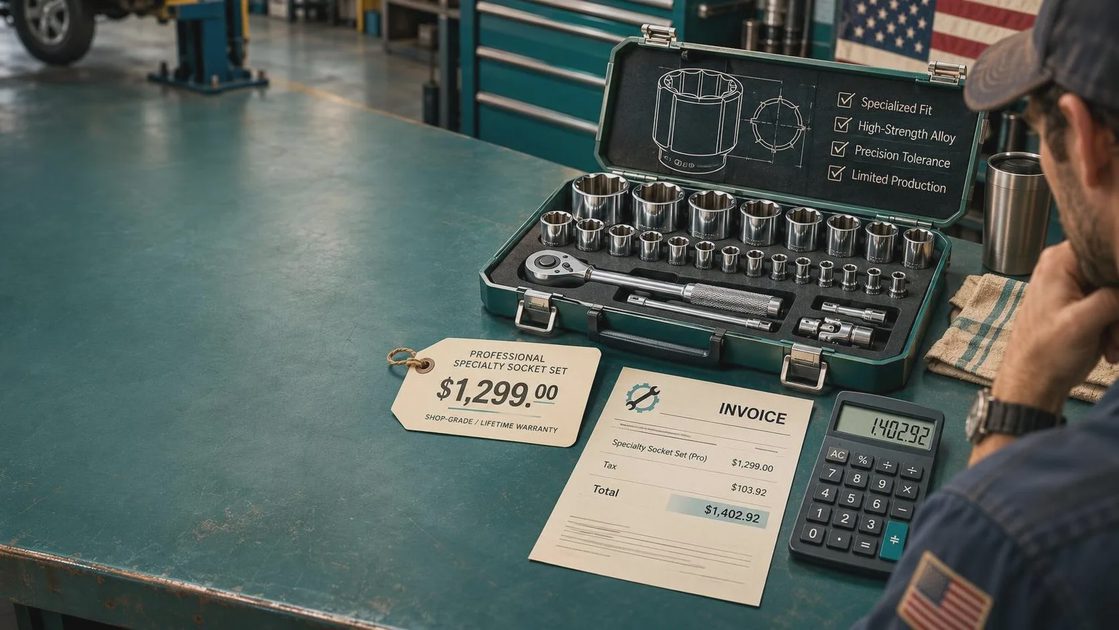
When people ask why is snap on so expensive, they often compare a $40 ratchet with a $180 ratchet as if the two tools differ only by branding. The real comparison has several parts. First is fit. A well-made socket should engage the fastener cleanly, reducing the chance of rounding a bolt. Second is finish and ergonomics. A ratchet that feels balanced and releases sockets smoothly can save hand fatigue over a long shift.
Third is warranty access. Snap-on has a strong reputation for replacing many broken hand tools without a receipt, although the exact process depends on the product and franchise arrangement. That support is useful when a technician breaks a ratchet on Tuesday morning and needs a replacement before the next job. A homeowner can still benefit, but the value is spread over fewer uses.
There is also resale value. Used Snap-on tools often hold more value than anonymous brands, especially popular ratchets, torque wrenches, and storage equipment. That does not erase the original cost, but it can reduce the long-term ownership price. A $200 tool sold for $100 after ten years cost less per year than a $50 tool that failed and had no useful resale value.
Where the premium makes sense in a home garage
For a homeowner, why is snap on so expensive becomes a better question when you divide tools into categories. I would consider premium money for tools that receive heavy use, need precise fit, or would ruin a project if they failed. A torque wrench is one example. Reliable calibration matters when tightening cylinder-head bolts, wheel lugs, or suspension components. A good torque wrench from Snap-on, Tekton, CDI, or another established manufacturer is easier to justify than a premium screwdriver set that sits untouched.
Specialty tools can also earn their keep. Thin-wall sockets, long-reach ratchets, inspection lights, and certain pliers solve real access problems. If a tool saves an hour of knuckle-busting work on several projects each year, the math changes. I have paid more for a tool that eliminated repeated aggravation, but I do not buy the most expensive version simply because the truck carries it.
Storage is another area where professional construction can matter. A loaded Snap-on toolbox can weigh hundreds of pounds and cost $5,000 to well over $15,000 depending on size and features. For a serious repair business, full-extension drawers, load ratings, and smooth slides are productive equipment. In my attached garage, a well-built used Lista, Kennedy, or Husky cabinet can provide plenty of capacity for far less money.
When cheaper tools are the smarter buy
The answer to why is snap on so expensive is not that every competing tool is junk. Brands such as GearWrench, Tekton, SK Tools, Capri, and Pittsburgh offer useful options across different price levels. I have used Tekton sockets for home repairs and GearWrench ratchets on projects where replacement cost mattered. For occasional brake work, suspension repairs, and lawn equipment maintenance, these brands can deliver a sensible balance.
A homeowner should spend more carefully on the tools that contact the fastener. Cheap sockets with poor dimensions can cause trouble, while a mid-priced socket set from a reputable brand often performs well. On the other hand, inexpensive magnetic trays, trim tools, wire brushes, and disposable picks are usually fine. Buy the premium tool where precision, strength, or access matters, not where a logo is doing all the selling.
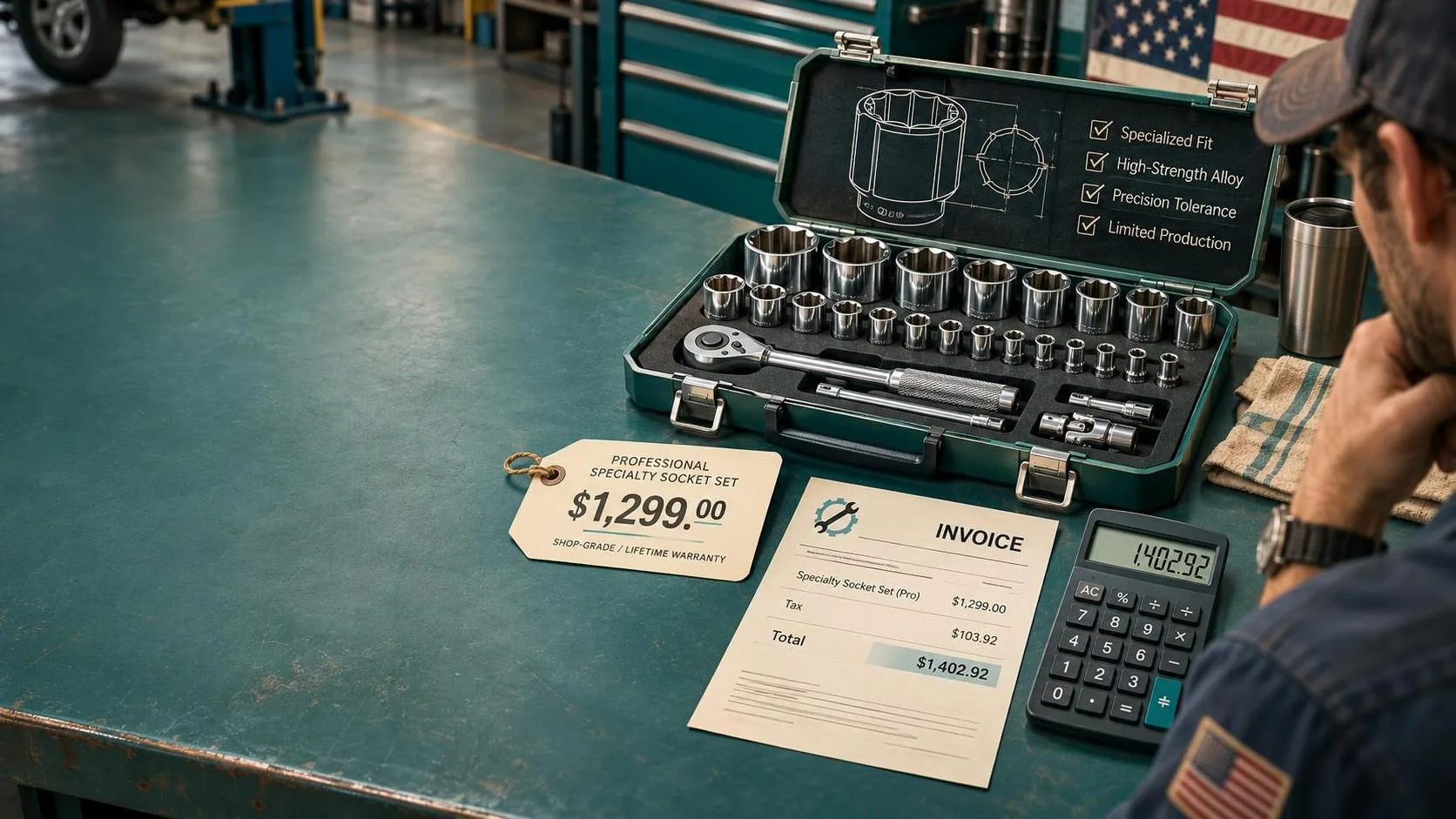
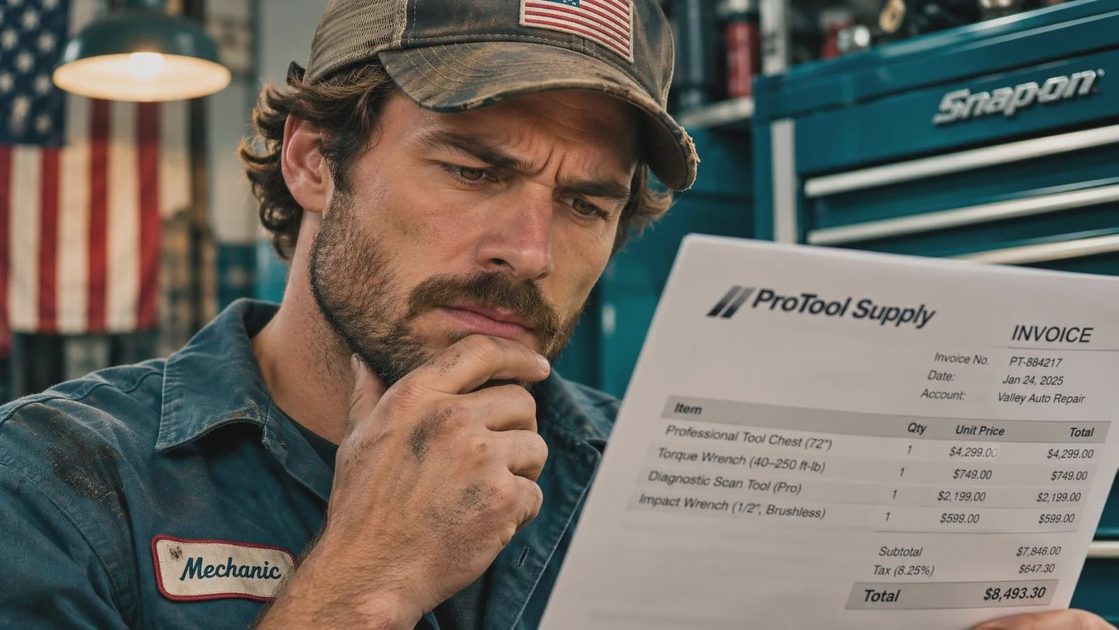
Watch for the financing trap, too. A tool-truck payment can make a $1,200 purchase feel like a small weekly charge, but the total price remains $1,200 plus any financing cost. Before signing, compare the same category from a second professional brand and calculate how often you will use it. A monthly payment does not turn a rarely used tool into a good value.
How to build a Snap-on-quality bench without the price
Start with a dependable metric and SAE socket set, two ratchets, combination wrenches, screwdrivers, pliers, a breaker bar, and a torque wrench. Spend extra on the breaker bar and torque wrench if you work on vehicles regularly. Add specialty pieces only after a real project shows you the need. This approach keeps money available for lighting, electrical outlets, a sturdy bench, and safe storage, all of which improve a garage more than a drawer full of duplicate tools.
Buying used is another practical route. Inspect ratchet teeth, socket corners, chrome flaking, drawer slides, and torque-wrench calibration before paying. Older professional tools can be excellent, but a worn ratchet that slips under load is not a bargain. Local auctions, estate sales, and reputable used-tool sellers can turn a $300 new purchase into a $100 find, provided you know what damage looks like.
For my own bench, I would rather have bright 4,000K lighting, a vise bolted to solid framing, and a clean charging station than a complete premium catalog. The best tool is the one that fits the job, survives your actual workload, and leaves enough budget to make the rest of the garage usable.
The bottom line for homeowners
So, why is snap on so expensive? You are paying for professional-grade design, direct truck service, warranty support, inventory convenience, brand reputation, and a distribution system aimed at technicians who use tools every day. Those benefits are real. They simply do not have equal value for every garage owner.
If you repair vehicles weekly or earn money with your tools, Snap-on can be a rational investment, especially for ratchets, specialty tools, storage, and diagnostic equipment. If you maintain one or two family vehicles, choose specific premium tools and fill the rest of the bench with proven mid-priced brands. Buy based on use, fit, warranty, and failure cost instead of badge prestige. That is how you build a shop that works rather than a showroom that only looks expensive.
Back to the bench.