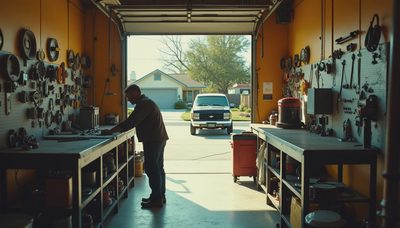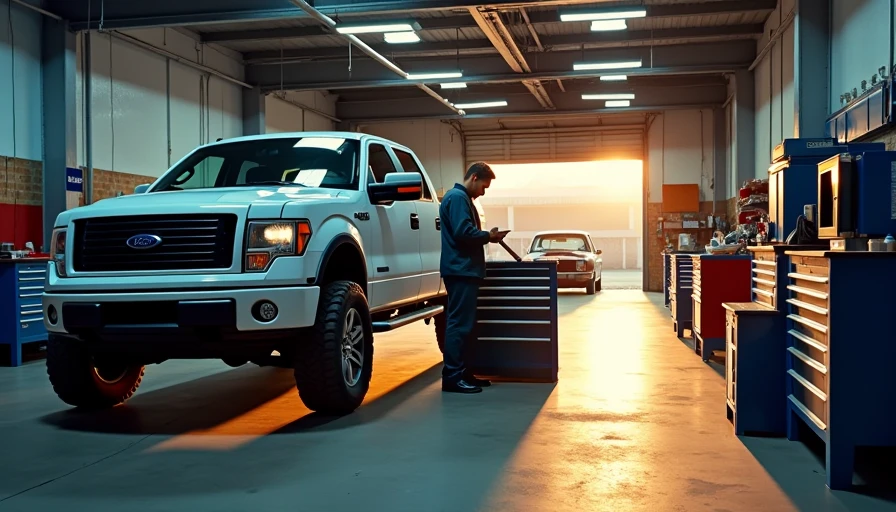
A useful garage does not need to look like a dealership service bay. It needs a solid work surface, enough light to see what you are doing, and mechanic tools arranged so the right piece is within reach. After working inside more than 40 attached garages, I have seen expensive setups fail because the owner bought equipment before deciding how the space would work. Start with the jobs you actually perform, then build around them. I've screwed this up so you don't have to.
Start with the jobs, not the shopping cart
Before buying mechanic tools, write down the work you expect to do in a typical year. Oil changes, brake jobs, battery replacement, tire rotation, lawn equipment repair, and basic suspension work require different investments. A homeowner who changes oil twice a year does not need a professional transmission jack. A driver who maintains two older vehicles might quickly appreciate a better floor jack, jack stands, and an impact wrench.
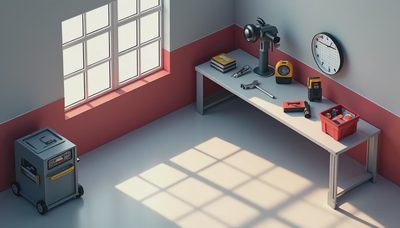
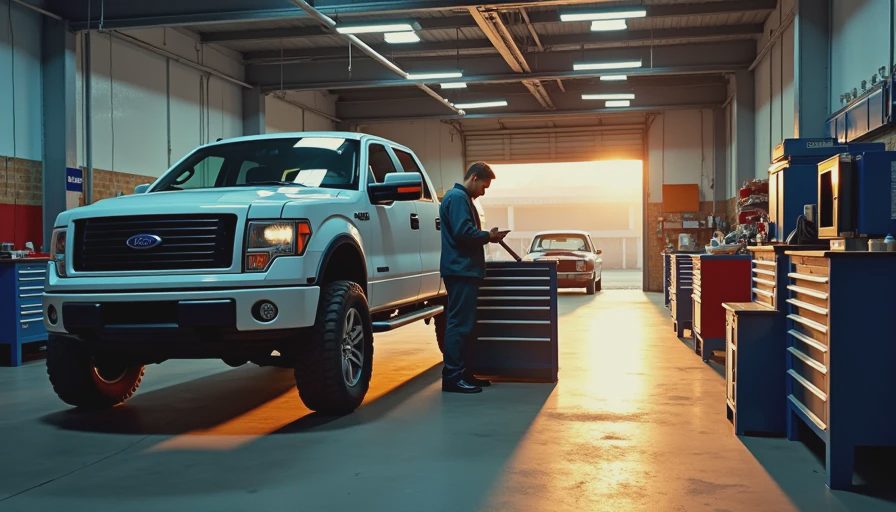
Measure the garage too. A 20-by-20-foot space sounds generous until a vehicle, mower, bicycles, shelving, and a six-foot bench occupy it. Leave at least 30 inches of walking room around fixed storage, and keep the main work area near an outlet. I like a 24-inch-deep bench along a side wall because it leaves room to open a car door without banging the work surface.
The first purchase should usually be a good light, not a flashy tool. A four-foot LED shop light mounted over the bench can cost $30 to $80 and makes every later repair safer.
The hand tools worth buying once
The core mechanic tools are still hand tools. Buy a metric and standard socket set with six-point sockets, a 3/8-inch drive ratchet, a 1/2-inch drive ratchet, extensions, universal joints, combination wrenches, screwdrivers, pliers, and hex keys. GearWrench, Tekton, Husky, and Craftsman all offer practical homeowner-level sets. Snap-on is excellent, but its price makes more sense for someone earning money with the tools every day.
Six-point sockets grip the flats of a fastener instead of relying on the corners. That matters when a rusty brake caliper bolt is already rounded. Add a breaker bar before buying a second ratchet. A 24-inch breaker bar gives you leverage without abusing a ratchet mechanism, and a basic one commonly costs $25 to $45.
A torque wrench is another non-negotiable. Use it for lug nuts, wheel components, drain plugs, and other fasteners with a specified torque. A click-style 3/8-inch model from Tekton or CDI is sufficient for many home repairs. Store it at its lowest marked setting after use; leaving it loaded can affect calibration.
Lifting equipment and the safety line
The most important mechanic tools in a garage are the ones that keep the vehicle from coming down. A two-ton or three-ton floor jack is a reasonable starting point for most cars and light SUVs. A low-profile Pittsburgh jack is affordable, while a Daytona or Torin model can provide a sturdier upgrade. Check the lift range before buying; a low jack that cannot reach the vehicle's designated lift point is not useful.
Never work under a vehicle supported only by a jack. Use properly rated jack stands on solid concrete, positioned at the manufacturer-recommended support points. Chock the wheels that remain on the floor, set the parking brake when appropriate, and give the vehicle a firm push before getting underneath. A creeper is convenient, but cardboard is often better on a dusty garage floor because it is warmer, quieter, and easy to replace.
Skip improvised ramps made from lumber. They can split, shift, or roll when a tire climbs them. Spend $40 to $100 on rated ramps if that is the job you plan to do, and keep your hands clear whenever a vehicle is being raised or lowered.
Power tools that earn their shelf space
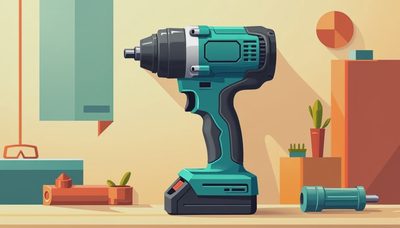
Power mechanic tools save time, but they should support hand-tool control rather than replace it. A 3/8-inch cordless impact wrench is useful for removing lug nuts and stubborn bolts. Milwaukee M12, DeWalt 20V, and Ryobi One+ each offer broad battery platforms. Pick one platform you already use for home projects so chargers and batteries do not multiply across the bench.
An impact driver is handy for brackets and fasteners, but it is not a substitute for a torque wrench. Install fasteners with the impact at a low setting, then finish with a hand ratchet and torque wrench. For occasional brake work, a compact electric ratchet can reduce wrist strain in cramped spaces, although it will not replace a breaker bar for rusted hardware.
Add a battery charger or maintainer, a 12-volt test light, and a digital multimeter. The multimeter can diagnose a dead battery, parasitic drain, blown fuse, or charging problem without guessing. A $25 to $60 meter is adequate for household automotive work. Learn voltage, resistance, and continuity before probing a live circuit.
Storage beats a bigger pile
Many garages do not need more mechanic tools; they need better access to the ones already owned. A rolling tool cart keeps frequently used sockets and pliers beside the car. A five-drawer cart from Husky or Harbor Freight often costs $150 to $300 and is easier to justify than a seven-foot professional cabinet costing several thousand dollars.
Use shallow drawers for sockets and deep drawers for hammers, pullers, and power tools. Put labels on drawer fronts, even if you think you will remember the layout. I once spent an hour looking for a 10-millimeter socket that was sitting in a magnetic tray behind the air compressor. That is not a tool shortage; it is a storage failure.
Keep oils, brake cleaner, and coolant in a separate metal or plastic cabinet away from welding, grinding, and space heaters. Store used fluids in sealed containers and take them to an approved recycling location. A clean, dry floor also protects dropped fasteners from disappearing into grit.
Specialty mechanic tools to add later
Specialty mechanic tools should follow a real repair, not an imagined one. A brake piston tool, ball-joint separator, serpentine belt tool, bearing puller, and trim-removal set can each save time, but buying all of them up front ties up money and wall space. Borrow or rent a specialty tool for the first job, then buy it if you use it again.
An OBD-II scan tool is one exception. Even an affordable scanner can read many check-engine codes and show basic live data. It will not replace professional diagnosis, and clearing a code does not repair the cause, but it can tell you whether a problem deserves immediate attention. More advanced Autel and Innova scanners add service functions at a higher cost.
Keep replacement fasteners, shop towels, penetrating oil, thread locker, fuses, and nitrile gloves nearby. Those inexpensive supplies stop a two-hour repair from becoming a trip across town. A magnetic parts tray costs less than $15 and is one of the highest-value items on my bench.
A practical first-year buying plan
For a new home garage, plan roughly $400 to $700 for a dependable foundation: hand sockets and wrenches, a torque wrench, jack stands, a floor jack, lighting, and basic diagnostic supplies. Add another $200 to $500 for a cordless impact, cart, charger, and specialty items as actual repairs demand them. That staged approach beats spending $2,000 on a large mechanic tools bundle filled with pieces you never touch.
Before each job, read the repair procedure, locate the correct lift points, and check whether a replacement bolt or seal is required. Photograph wiring and bracket locations before disassembly. Put removed hardware in labeled bags. Clean tools before returning them, then inspect sockets for cracks and cords or batteries for damage.
The best setup is not the one with the most drawers. It is the one that lets you work safely, find a 10-millimeter socket quickly, and finish without scattering parts across the driveway. Build the bench around your real repairs, improve the lighting, and buy mechanic tools that solve the next problem in front of you. Back to the bench.