Winter Is Coming for Your Garage
Every year I get calls in January and February from homeowners dealing with frozen pipes, cracked concrete, stuck garage doors, and other cold-weather disasters. Most of these problems could have been prevented with simple prep work in October.
After 18 years of remodeling and fixing seasonal damage, here’s my battle-tested garage winter preparation routine.
I’ve screwed this up so you don’t have to.
What Actually Freezes and Cracks
Water Lines and Hose Bibs
Even attached garages can have exposed pipes that freeze.
Concrete and Flooring
Moisture trapped in the slab expands when it freezes, causing spalling and cracks.
Garage Doors and Openers
Cold makes lubricants thicken and springs more brittle.
Battery-Powered Tools and Equipment
Cold kills battery life and can damage electronics.
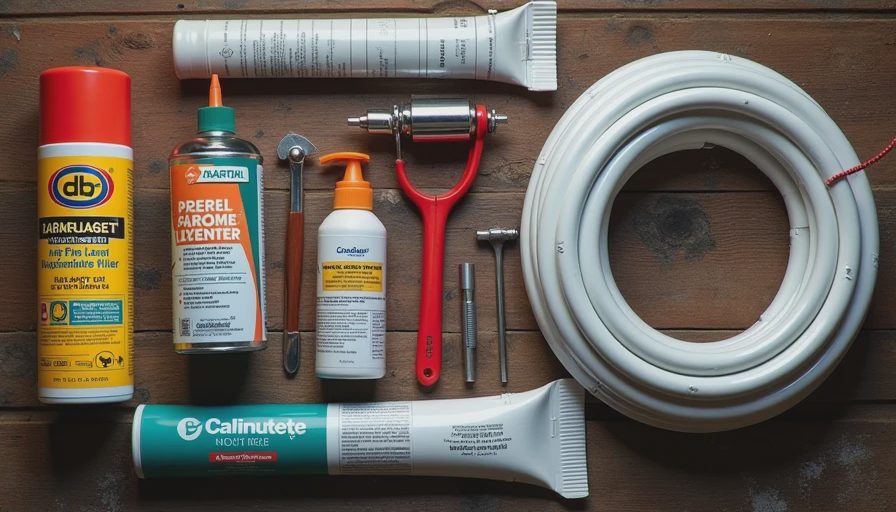
Paints, Glues, and Liquids
Many shop supplies don’t survive freezing temperatures.
My October Winter Prep Checklist
1. Plumbing Protection
Drain and disconnect garden hoses
Install freeze-proof exterior faucets if you don’t have them
Insulate any exposed pipes in the garage
Keep a small space heater ready for extreme cold snaps
2. Floor and Concrete Care
Clean oil stains and salt residue thoroughly
Repair existing cracks before water gets in
Apply a quality concrete sealer if needed
Elevate anything that holds moisture against the floor
3. Door and Opener Maintenance
Lubricate all moving parts with cold-weather garage door lubricant
Tighten all hardware and check the two critical bolts (see my earlier article)
Test the balance and auto-reverse safety features
Replace weak batteries in openers and keypads
4. Tool and Equipment Protection
Bring sensitive electronics and batteries inside
Use anti-freeze additives in air compressors if left in the garage
Store paints, finishes, and glues in temperature-controlled space
Winterize power tools according to manufacturer guidelines
5. General Winterization
Install weatherstripping on the garage door and man door
Check and clean gutters and downspouts around the garage
Test carbon monoxide detectors
Organize and elevate storage to prevent moisture damage
Regional Considerations
In colder climates, focus heavily on insulation and heating options. In areas with wet winters, prioritize moisture management and sealing. Adjust based on your specific conditions.
The Cost of Skipping Prep
One frozen pipe burst can easily cost $2,000+ in repairs and water damage. A failed garage door in January might leave you unable to get your car out. The few hours and couple hundred dollars you spend in October pay for themselves many times over.
My Personal Winter Prep Routine
Every October I spend one full Saturday on garage winterization. It’s become a ritual that saves me headaches all winter long. The garage stays functional even during the coldest weeks.
Bonus Tips for Workshop Owners
Keep a small, safe heater with thermostat for occasional use
Use dehumidifiers if moisture levels rise
Have backup lighting and power solutions ready for storms
Check overhead storage weight ratings — cold can make materials more brittle
Don’t Wait Until It’s Too Late
The best time to prepare for winter is before the first hard freeze. Take action in October and enjoy a garage that continues to serve you all winter long.
I’ve screwed this up so you don’t have to. Get your garage winter-ready now.
Back to the bench.