The Wall Storage Struggle Is Real
If there’s one thing I hear from homeowners more than anything else, it’s “I just need a better way to organize all this stuff on the walls.”
After my own garage floor disaster, I turned my attention upward. The walls and ceiling are where you can gain massive amounts of usable space — if you choose the right system.
I’ve hung slatwall, pegboard, and French cleats in dozens of garages. Some solutions made clients’ lives easier. Others became expensive, frustrating eyesores.
I’ve screwed this up so you don’t have to.
Understanding the Three Main Players
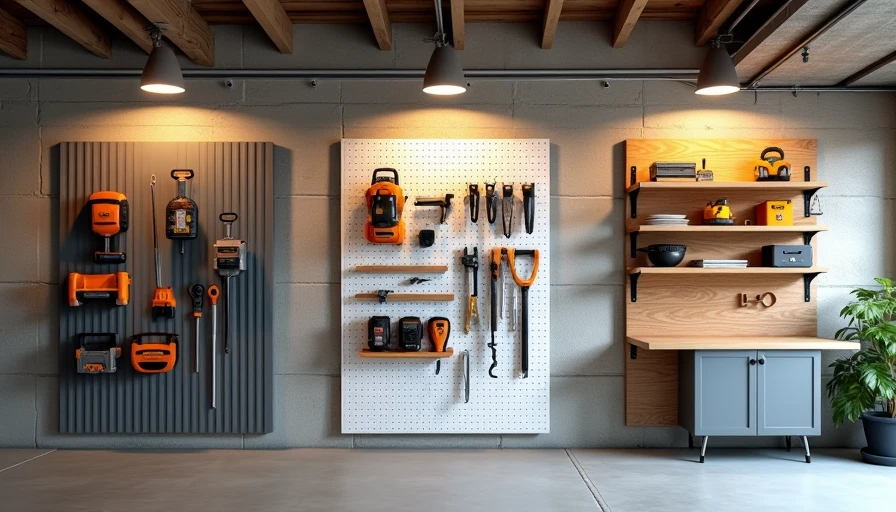
Slatwall consists of horizontal tracks with grooves that accept specialized hooks, shelves, and accessories. It looks modern and professional.
Pegboard is the classic perforated hardboard with holes for hooks. Cheap, familiar, and available everywhere.
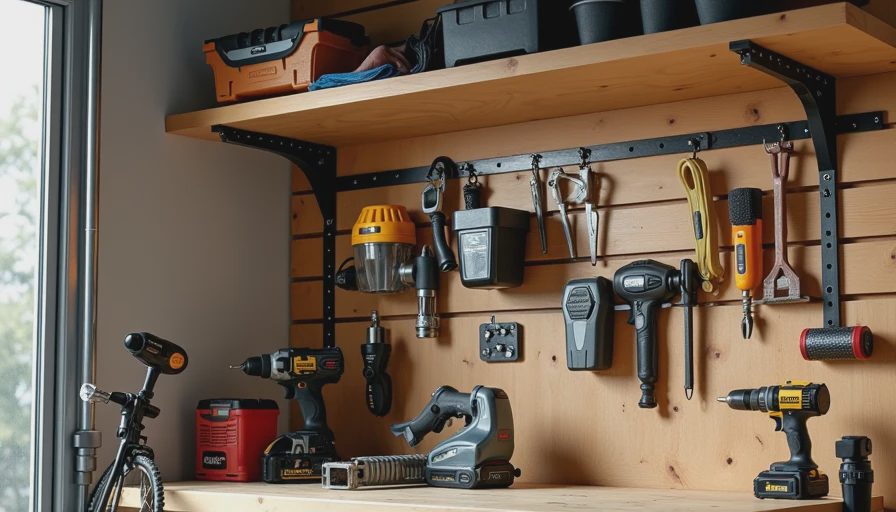
French Cleats are interlocking beveled strips — usually wood — that let you hang cabinets, shelves, and tool holders securely and adjustably.
Durability and Load Capacity Test
In my testing and real installations, load capacity varies wildly.
Slatwall systems (especially the heavy-duty PVC or aluminum versions) can handle serious weight when properly installed into studs. I’ve hung tool chests and bike racks on quality slatwall without issues. Cheap plastic versions? They sag and strip out quickly.
Pegboard is surprisingly capable if you use quality hooks and secure the board properly. However, standard 1/8" pegboard can flex and the holes eventually enlarge with heavy use. I’ve seen 1/4" pegboard hold up much better.
French cleats win the strength category. When screwed into studs, they can support hundreds of pounds per linear foot. I’ve hung entire workbench systems and heavy cabinets using them. The beauty is you can reconfigure without losing strength.
Installation Reality for Weekend Warriors
Slatwall: Requires precise leveling and solid backing. Installing into studs is a must for heavy loads. The tracks themselves are straightforward but accessories get expensive fast.
Pegboard: Easiest for beginners. Cut to size, screw into furring strips or directly into studs, and start hanging. Takes an afternoon. Downside: you need to plan your layout carefully because moving things later leaves empty holes.
French Cleats: Most labor intensive upfront but incredibly flexible long term. You make or buy cleats, mount the wall portion level, then attach matching cleats to your storage items. Once set up, rearranging is a breeze.
Real-World Performance Stories
One client with a serious tool collection went all-in on slatwall. Two years later he loves the clean look but complains about the cost of specialized hooks. His expensive impact driver holder broke after six months of daily use.
Another homeowner chose pegboard because of budget. It worked great for light hand tools but the heavier power tools eventually pulled hooks out. We upgraded sections with French cleats for the heavy hitters.
My favorite success story involved a mix-and-match approach. We used French cleats for upper cabinets, heavy-duty slatwall for mid-level tools, and pegboard for small items. The client tells me it’s still working perfectly three years later.
Cost Breakdown (Honest Numbers)
Basic Pegboard + hooks for two walls: $80–$200
Quality Slatwall system (materials only): $400–$1,200
Professional Slatwall install: $1,500–$3,500
French Cleat system (DIY lumber): $150–$400
Pre-made French Cleat components: $300–$800
French cleats often win on value if you’re willing to do some woodworking. Slatwall wins on aesthetics but hurts the wallet.
My Recommendation: The Hybrid Approach
After years of installs, pure systems rarely win. Here’s what actually works best:
Use French cleats for heavy items like cabinets, power tool docks, and workbenches.
Use heavy-duty slatwall for medium weight items where you want quick adjustability and a clean look.
Use pegboard in smaller zones for lightweight hand tools, extension cords, and frequently changing items.
This combination gives you strength where you need it and flexibility everywhere else.
Pro Installation Tips From the Job Site
Always mount into studs or use proper blocking. I’ve seen too many systems fail because someone trusted drywall anchors.
For slatwall, consider aluminum or thick PVC over thin plastic.
Seal pegboard edges and paint it to prevent moisture issues in attached garages.
Leave some open wall space — you’ll need it for future tools.
Consider ceiling storage too. I often combine wall systems with overhead racks for maximum efficiency.
Beyond Just Hanging Tools
The best wall systems do more than hold tools. They create workflow. When everything has a home and is easy to grab and put away, you actually enjoy working in your garage instead of fighting clutter.
I’ve watched homeowners go from avoiding their garage to spending hours in it once the walls were sorted.
Making the Smart Choice for Your Garage
Think about how you actually use the space. Serious woodworker? Prioritize French cleats and heavy slatwall. Casual DIYer with kids’ sports gear? Pegboard might be plenty. Want it to look like a magazine? Invest in quality slatwall.
Don’t fall for the “one perfect system” myth. The right answer is usually a smart combination tailored to your needs and budget.
Final Thoughts
Wall storage is where your garage goes from cluttered parking spot to functional workshop. Choose wisely, install properly, and you’ll thank yourself every time you reach for a tool.
I’ve screwed this up so you don’t have to.
Back to the bench.